Special Web Offer - Get 50% OFF!
Grab Your Deal Now
PlantSnap
Plant Care
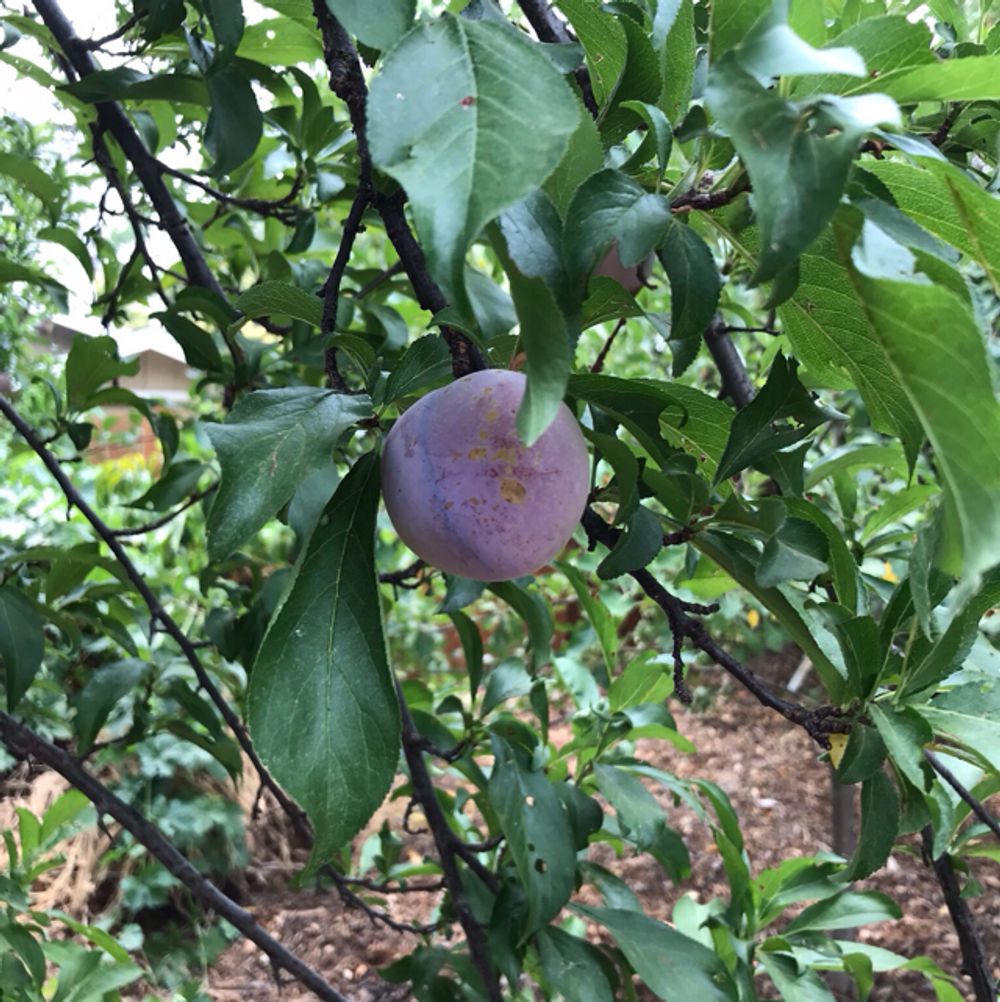
European plum
(Prunus domestica domestica)
Also Known As
European plum, Common plum, Drupe plum
About This Plant
Prunus domestica domestica is a deciduous fruit tree that produces plums. The tree is known for its beautiful spring flowers and delicious fruit. It is widely cultivated in temperate regions around the world.
Plant Care Instructions
Outdoor Size Range
15-20 feet (4.5-6 meters) tall and wide.
Light Requirements
Full sun is best for fruit production. The tree can tolerate some shade, but it may reduce fruit yield.
Humidity Needs
Plum trees prefer moderate humidity levels, but they can tolerate dry air.
Fertilizing Schedule
Plum trees require regular fertilization to produce healthy fruit. A balanced fertilizer can be applied in early spring and mid-summer.
Pruning Guidelines
Pruning is important for plum trees to maintain their shape and promote fruit production. The tree should be pruned in late winter or early spring before new growth begins.
Common Pests and Diseases
Common pests and diseases for plum trees include aphids, mites, plum curculio, and brown rot.
Indoor Size Range
Not suitable for indoor cultivation.
Watering Schedule
Plum trees require regular watering, especially during the growing season. The soil should be kept moist but not waterlogged.
Temperature Range
The tree can tolerate a wide range of temperatures, but it prefers a mild climate. Plum trees require a period of cold temperatures (below 45°F/7°C) to produce fruit.
Growing Season
Late spring to early fall
Growing Difficulty Level
Moderate
USDA Hardiness Zones
5-9
Did You Know?
The European plum is one of the oldest cultivated fruits, with evidence of its cultivation dating back to ancient Roman times. It is believed to have originated in the region around the Caspian Sea.
