Special Web Offer - Get 50% OFF!
Grab Your Deal Now
PlantSnap
Plant Care
Cherry plum
(Prunus cerasifera)
Also Known As
Cherry plum, Myrobalan plum, Japanese plum
About This Plant
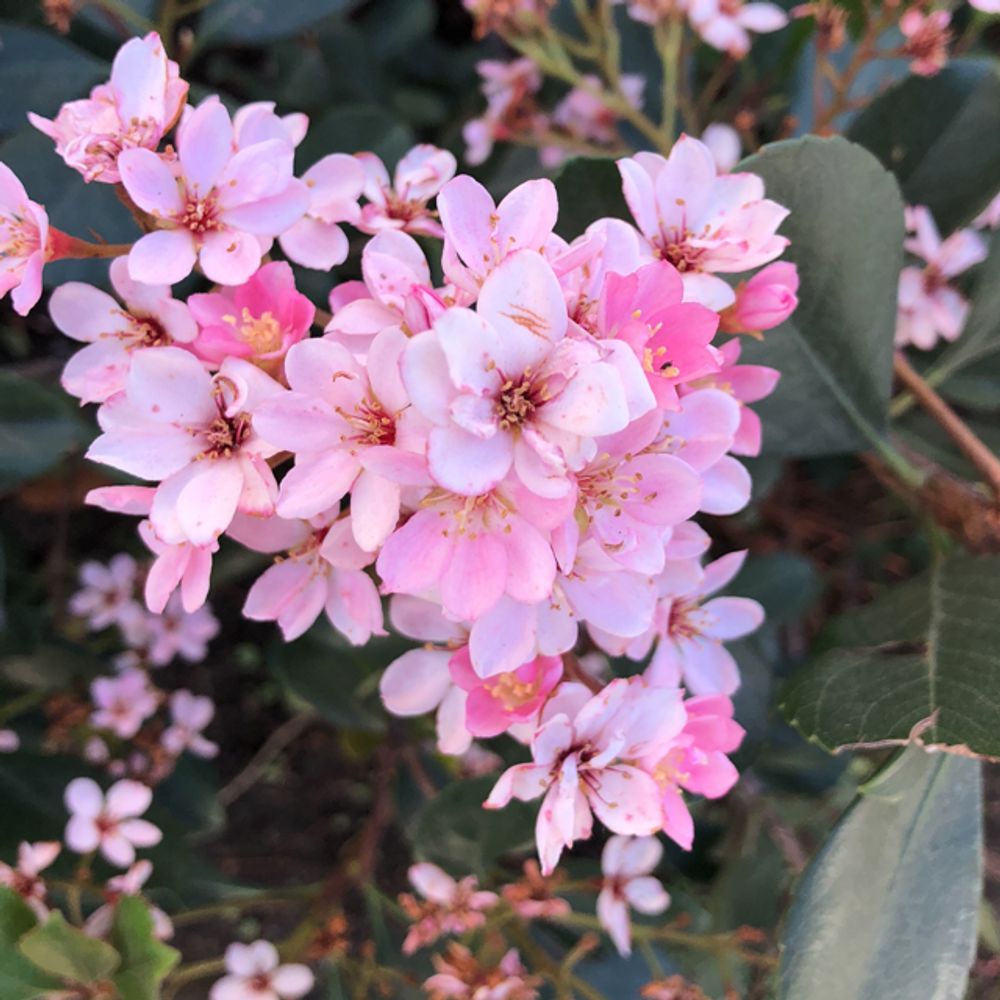
Prunus cerasifera is a deciduous small tree or large shrub that grows up to 20-30 feet (6-9 meters) tall. It has a broad, upright habit and a short trunk that divides into several upright and erect branches. The leaves are oval, 2-4 inches (5-10 cm) long, and glossy green with a bronze tinge. The flowers are pink or white and appear in early spring before the leaves. The fruit is a small, edible plum that is yellow or red and ripens in late summer.
Plant Care Instructions
Outdoor Size Range
20-30 feet (6-9 meters) tall and 15-20 feet (4.5-6 meters) wide
Light Requirements
Cherry Plum prefers full sun to partial shade. It requires at least 6 hours of direct sunlight per day.
Humidity Needs
Cherry Plum does not have any specific humidity requirements. It can tolerate dry air.
Fertilizing Schedule
Fertilize the plant once a year in early spring with a balanced fertilizer. Avoid over-fertilizing as it can lead to excessive growth and reduced fruiting.
Pruning Guidelines
Prune the plant in late winter or early spring to maintain its shape and remove any dead or damaged branches. Cherry Plum can also be pruned to promote fruiting.
Common Pests and Diseases
Cherry Plum is susceptible to pests such as aphids, scale insects, and spider mites. It can also be affected by diseases such as brown rot and powdery mildew.
Indoor Size Range
Not suitable for indoor growth
Watering Schedule
Water the plant regularly during the growing season, especially during hot and dry weather. The soil should be kept moist but not waterlogged.
Temperature Range
Cherry Plum is hardy to USDA zones 4-8. It can tolerate a wide range of temperatures, but it prefers cool to moderate temperatures.
Growing Season
Cherry Plum grows best in the spring and summer months.
Growing Difficulty Level
Cherry Plum is relatively easy to grow and maintain. It is suitable for beginner gardeners.
USDA Hardiness Zones
4-8
Did You Know?
Cherry Plum is often used as a rootstock for other Prunus species, such as apricots and cherries.
