Special Web Offer - Get 50% OFF!
Grab Your Deal Now
PlantSnap
Plant Care
Matai
(Prumnopitys taxifolia)
Also Known As
Matai, Māneka, New zealand power tree, Podocarpus totara
About This Plant
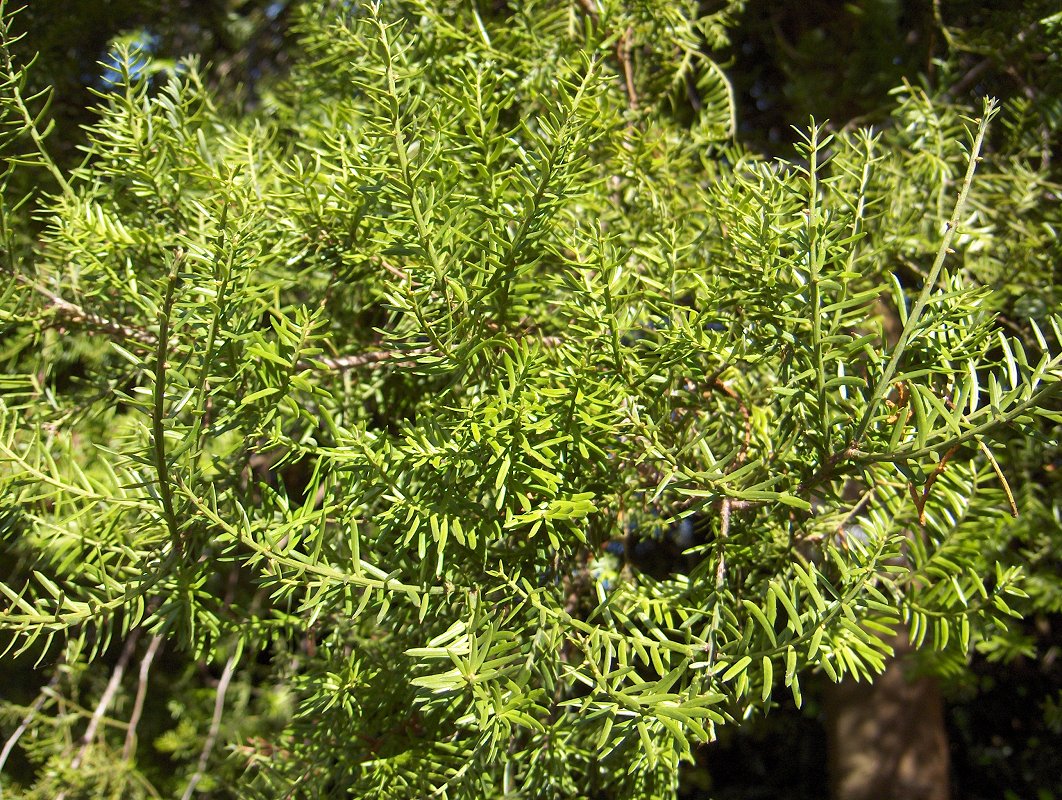
Prumnopitys taxifolia is an evergreen tree species native to New Zealand. It has a conical or columnar shape and can grow up to 50 feet (15 meters) tall with a trunk diameter of up to 3 feet (1 meter). The leaves are dark green, needle-like, and arranged spirally on the stem. The bark is brown and scaly.
Plant Care Instructions
Outdoor Size Range
Up to 50 feet (15 meters) tall and up to 3 feet (1 meter) in diameter
Light Requirements
Miro prefers full sun to partial shade. It can tolerate some shade but may grow more slowly and have a less dense foliage.
Humidity Needs
Miro can tolerate a wide range of humidity levels but prefers moderate to high humidity. It can benefit from misting or placing a humidifier nearby.
Fertilizing Schedule
Miro does not require frequent fertilization but can benefit from a slow-release fertilizer in spring. Avoid over-fertilizing as it can lead to excessive growth and weak branches.
Pruning Guidelines
Miro does not require frequent pruning but can be shaped or trimmed to maintain its size or shape. Prune in late winter or early spring before new growth appears. Remove dead, damaged, or crossing branches.
Common Pests and Diseases
Miro is relatively pest-free but can be affected by scale insects, spider mites, and aphids. Treat infestations with insecticidal soap or neem oil.
Indoor Size Range
Not suitable for indoor cultivation
Watering Schedule
Miro prefers moist but well-drained soil. It can tolerate some drought but may drop some leaves or have stunted growth. Water regularly during the growing season and reduce watering in winter.
Temperature Range
Miro can tolerate a wide range of temperatures but prefers cool to mild climates. It can tolerate frost and snow but may suffer from heat stress in hot climates. Protect from strong winds.
Growing Season
Spring and summer
Growing Difficulty Level
Moderate
USDA Hardiness Zones
8a to 11
Did You Know?
The Māori people of New Zealand traditionally used the hard, red wood of the Miro tree for carving and building.
