Special Web Offer - Get 50% OFF!
Grab Your Deal Now
PlantSnap
Plant Care
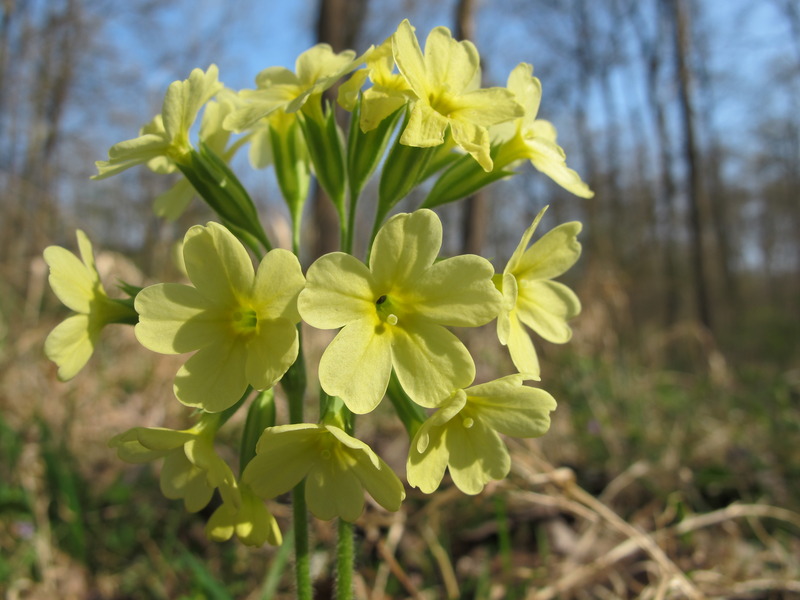
Oxlip
(Primula elatior)
Also Known As
Oxlip, Cowslip, Common cowslip, Pansy primrose
About This Plant
Primula elatior, commonly known as the oxlip, is a herbaceous perennial plant species belonging to the Primulaceae family. It has a rosette of wrinkled, oval leaves and produces a tall stem with a whorl of yellow flowers.
Plant Care Instructions
Outdoor Size Range
12-18 inches (30-45 cm)
Light Requirements
Primula elatior requires partial shade to full shade. It is best to avoid direct sunlight as it can scorch the leaves.
Humidity Needs
Primula elatior prefers moderate to high humidity levels. It can benefit from occasional misting, especially in dry indoor environments.
Fertilizing Schedule
The plant does not require much fertilizer but can benefit from a balanced, water-soluble fertilizer applied every 4-6 weeks during the growing season.
Pruning Guidelines
Primula elatior does not require much pruning. However, it is important to remove any dead or damaged leaves or flowers to promote new growth.
Common Pests and Diseases
Common pests for Primula elatior include aphids, spider mites, and slugs.
Indoor Size Range
8-12 inches (20-30 cm)
Watering Schedule
The plant prefers moist soil, so it is important to keep the soil consistently moist. However, overwatering can lead to root rot, so it is important not to let the plant sit in standing water.
Temperature Range
The plant prefers cool temperatures between 50-65°F (10-18°C). It can tolerate slightly warmer temperatures, but it is important to avoid temperatures above 75°F (24°C) as it can cause the plant to wilt.
Growing Season
The growing season for Primula elatior is in the spring, typically from March to May.
Growing Difficulty Level
Primula elatior is considered moderately difficult to grow. It requires specific growing conditions, such as cool temperatures and moist soil, that can be challenging to maintain.
USDA Hardiness Zones
Primula elatior is hardy in USDA zones 5-8.
Did You Know?
The name 'oxlip' is derived from the Old English word 'oxslippe,' which means 'cowslip,' as the plant was often mistaken for cowslips due to their similar appearance.
