Special Web Offer - Get 50% OFF!
Grab Your Deal Now
PlantSnap
Plant Care
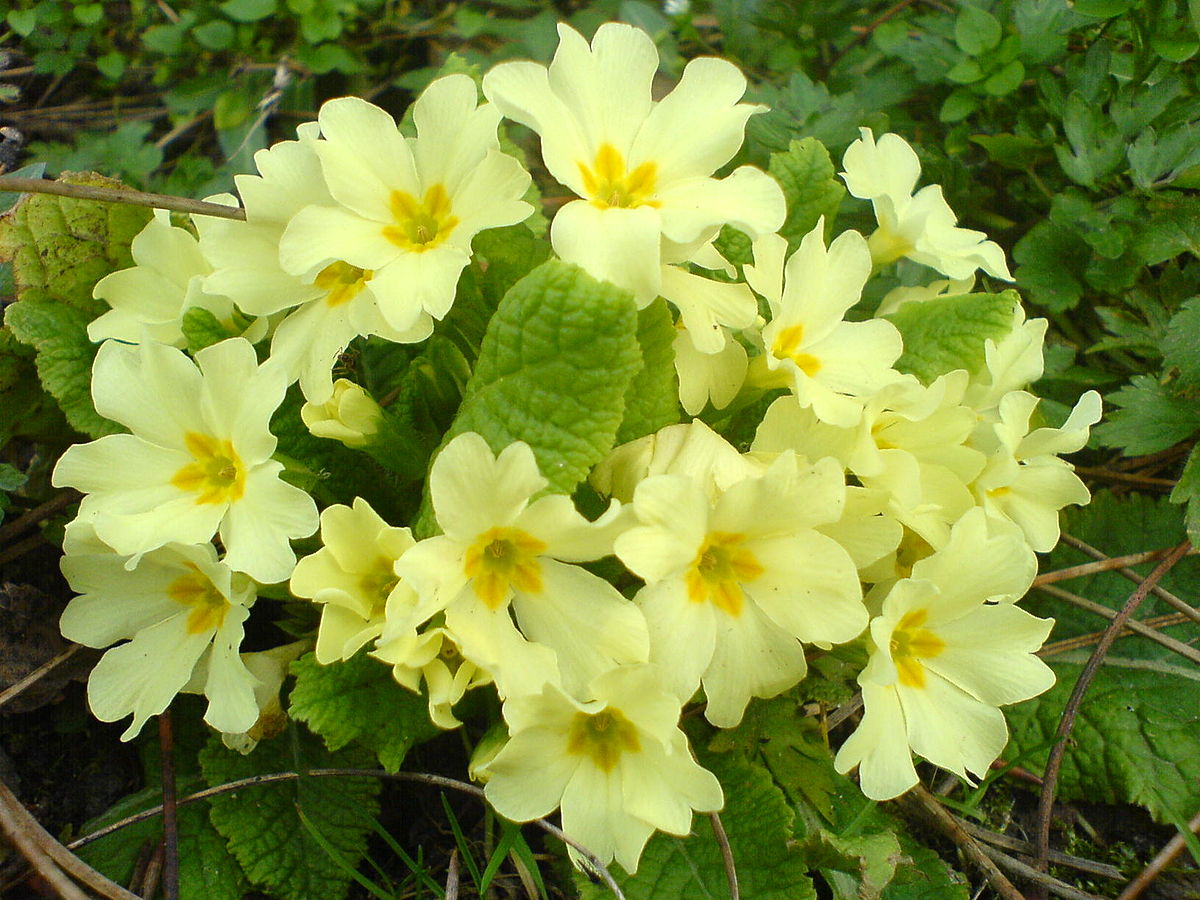
Common primrose
(Primula acaulis acaulis)
Also Known As
Common primrose, English primrose
About This Plant
Primula acaulis acaulis is a perennial herbaceous plant. It is a member of the Primulaceae family and is native to Europe. The plant has a rosette of leaves at the base with flowering stems that reach up to 8 inches (20 cm) tall. The flowers are usually pink, purple, white, or red and bloom in the spring.
Plant Care Instructions
Outdoor Size Range
6-8 inches (15-20 cm)
Light Requirements
Primula acaulis acaulis prefers bright, indirect light. It can tolerate some direct sunlight, but too much can damage the plant.
Humidity Needs
Primula acaulis acaulis prefers high humidity levels. You can increase humidity by placing a tray of water near the plant or by using a humidifier.
Fertilizing Schedule
Fertilize the plant once a month during the growing season with a balanced fertilizer. Do not fertilize during the winter months.
Pruning Guidelines
Remove spent flowers and yellowing leaves to encourage new growth.
Common Pests and Diseases
Common pests for Primula acaulis acaulis include aphids, spider mites, and thrips. Diseases such as powdery mildew and botrytis can also affect the plant.
Indoor Size Range
6-8 inches (15-20 cm)
Watering Schedule
Water the plant when the top inch of soil is dry. Do not let the soil dry out completely, but also avoid overwatering as this can cause root rot.
Temperature Range
Primula acaulis acaulis prefers cooler temperatures between 50-65°F (10-18°C). It can tolerate slightly warmer temperatures, but avoid temperatures above 75°F (24°C).
Growing Season
Primula acaulis acaulis grows best in the spring and early summer months.
Growing Difficulty Level
Primula acaulis acaulis is considered an easy plant to grow as long as its basic needs are met.
USDA Hardiness Zones
Primula acaulis acaulis is hardy in USDA zones 3-8.
Did You Know?
Primula acaulis acaulis is often used in traditional medicine to treat respiratory illnesses such as bronchitis and asthma.
