Special Web Offer - Get 50% OFF!
Grab Your Deal Now
PlantSnap
Plant Care
Bois poupart
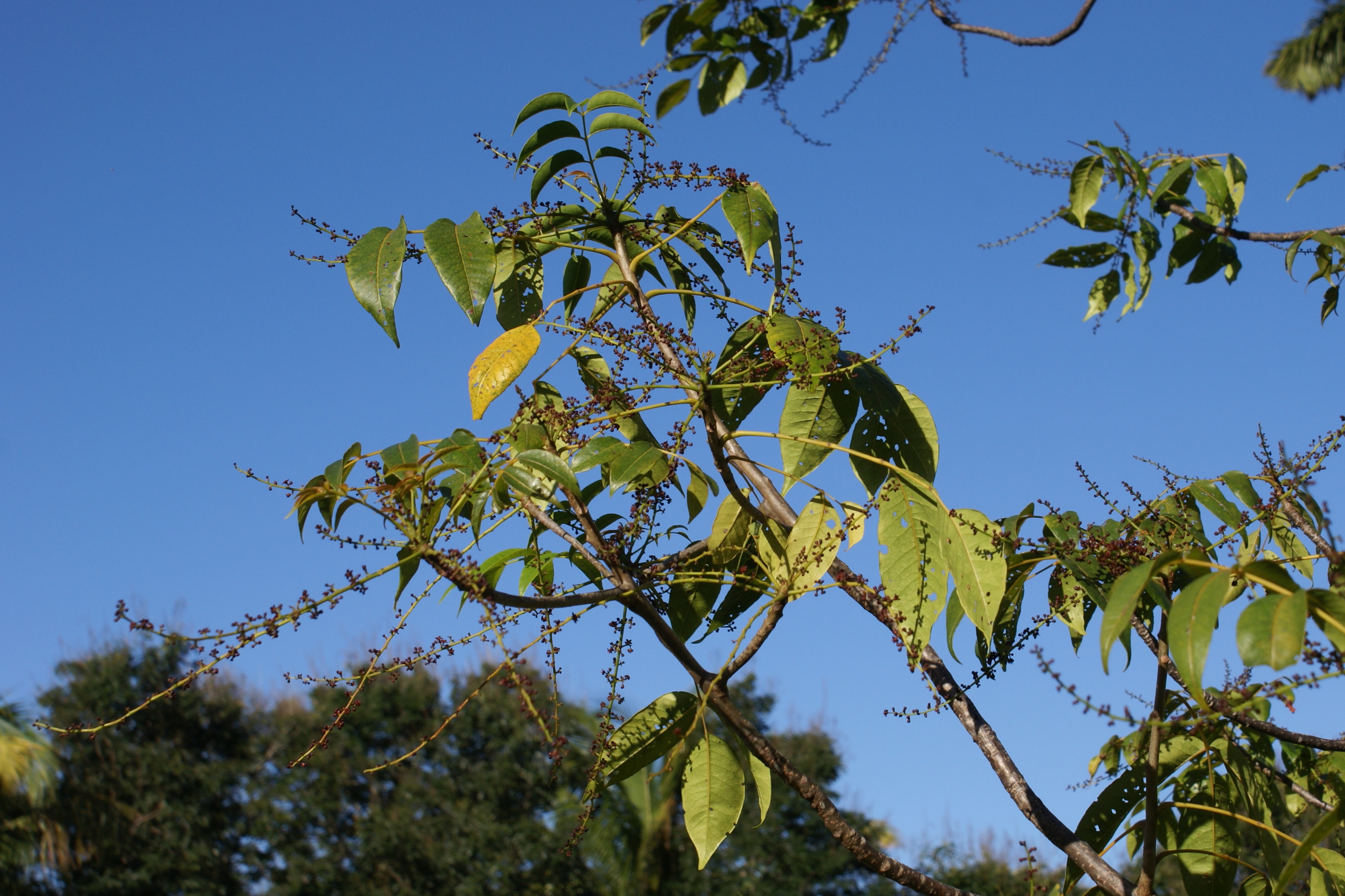
(Poupartia borbonica)
Also Known As
Bois poupart, Bourbon poupartia, Bois d'olive
About This Plant
Poupartia borbonica is a species of flowering plant in the family Annonaceae. It is a small tree or shrub, growing up to 5 meters tall. The plant has a slender trunk with a grayish bark and the leaves are glossy, dark green, and oblong in shape. The flowers are small, greenish-yellow, and have a pleasant fragrance. The fruit is a greenish-yellow berry that is edible and has a sweet taste.
Plant Care Instructions
Outdoor Size Range
10-15 feet (3-4.6 meters)
Light Requirements
Bonbon plants require bright, indirect light. They can tolerate some direct sunlight, but too much can damage the leaves.
Humidity Needs
Bonbon plants prefer high humidity levels. Mist the leaves regularly or place the plant on a tray of pebbles and water to increase humidity.
Fertilizing Schedule
Fertilize once a month during the growing season (spring and summer) with a balanced fertilizer. Do not fertilize during the winter months.
Pruning Guidelines
Prune the plant in the spring to remove any dead or damaged branches. Pinch back new growth to encourage bushier growth.
Common Pests and Diseases
Bonbon plants are susceptible to scale insects, mealybugs, and spider mites. Treat with insecticidal soap or neem oil.
Indoor Size Range
4-6 feet (1.2-1.8 meters)
Watering Schedule
The plant prefers consistently moist soil. Water once a week, or when the top inch of soil feels dry to the touch. Do not let the soil dry out completely.
Temperature Range
Bonbon plants prefer warm temperatures between 60-85°F (15.5-29.4°C). They can tolerate cooler temperatures but may suffer if exposed to temperatures below 50°F (10°C).
Growing Season
Spring and summer
Growing Difficulty Level
Moderate
USDA Hardiness Zones
10-11
Did You Know?
The fruit of the Bonbon plant is used to make a popular drink in Réunion Island, a French territory in the Indian Ocean. The drink is called Bonbon sirop and is made by boiling the fruit with sugar and water to create a syrup that is then mixed with water or soda.