Special Web Offer - Get 50% OFF!
Grab Your Deal Now
PlantSnap
Plant Care
Kohautia biloba
(Portulaca biloba)
Also Known As
Kohautia biloba, Two-leaved purslane, Bilobed portulaca
About This Plant
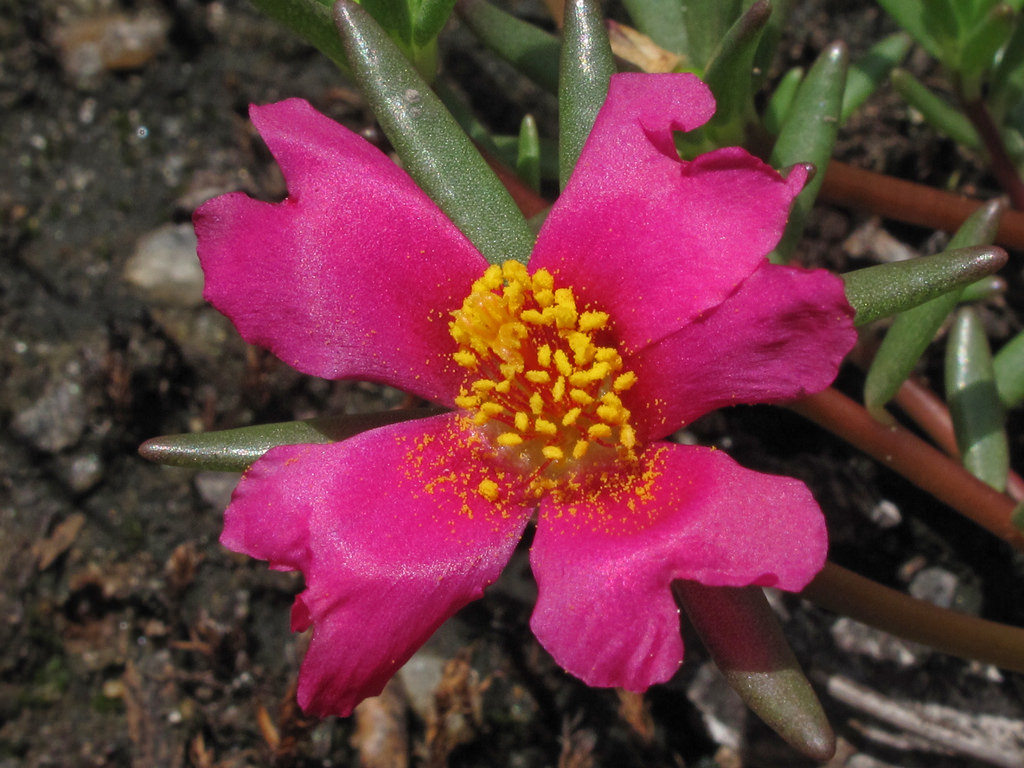
Portulaca biloba is a succulent plant species that belongs to the family Portulacaceae. It is a low-growing plant that can grow up to 6 inches (15 cm) in height and 12 inches (30 cm) in width. The leaves are small and fleshy, and the flowers are pink or yellow and bloom in the summer.
Plant Care Instructions
Outdoor Size Range
6-12 inches (15-30 cm)
Light Requirements
Portulaca biloba prefers full sun to partial shade. It can tolerate high light conditions and is ideal for outdoor growth.
Humidity Needs
Portulaca biloba prefers dry air and low humidity. It can thrive in arid climates and does not require any additional humidity.
Fertilizing Schedule
Portulaca biloba does not require frequent fertilization. It is best to fertilize it once a month during the growing season with a balanced fertilizer.
Pruning Guidelines
This plant species does not require frequent pruning. It is best to remove any dead or damaged leaves or stems as needed.
Common Pests and Diseases
Portulaca biloba is relatively pest-free. However, it can be susceptible to mealybugs and spider mites.
Indoor Size Range
6-8 inches (15-20 cm)
Watering Schedule
This plant species is drought-tolerant and requires minimal watering. It is best to water it only when the soil is dry to the touch.
Temperature Range
This plant species prefers warm temperatures and can tolerate high heat. It is not frost-tolerant and should be protected from extreme cold.
Growing Season
Portulaca biloba is a warm-season plant species that grows from late spring to early fall.
Growing Difficulty Level
Portulaca biloba is easy to grow and maintain, making it an ideal plant species for beginners.
USDA Hardiness Zones
Portulaca biloba is hardy in USDA zones 9-11.
Did You Know?
Portulaca biloba is known for its edible leaves, which are used in salads and other dishes in some cultures.