Special Web Offer - Get 50% OFF!
Grab Your Deal Now
PlantSnap
Plant Care
Quaking aspen
(Populus tremuloides)
Also Known As
Quaking aspen, Trembling aspen, American aspen, White aspen, Popple
About This Plant
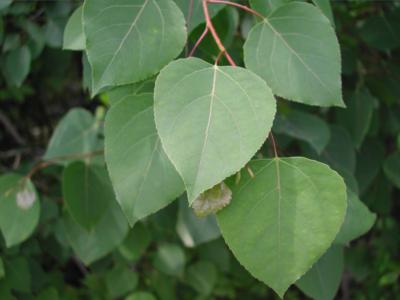
Populus tremuloides is a deciduous tree with a slender trunk and a narrow, rounded crown. The bark is smooth and greenish-white when young, becoming dark and furrowed with age. The leaves are small, round, and tremble in the slightest breeze, giving the tree its common name of quaking aspen. The tree produces catkins in early spring before the leaves appear.
Plant Care Instructions
Outdoor Size Range
30-50 feet (9-15 meters) tall and 20-30 feet (6-9 meters) wide
Light Requirements
Quaking aspen trees prefer full sun but can tolerate partial shade.
Humidity Needs
Quaking aspen trees prefer moderate humidity levels.
Fertilizing Schedule
Quaking aspen trees do not require fertilization, but can benefit from a balanced fertilizer in the spring.
Pruning Guidelines
Pruning is not necessary for quaking aspen trees, but they can be pruned to control their shape.
Common Pests and Diseases
Quaking aspen trees are susceptible to a variety of pests and diseases, including leaf miners, cankers, and rusts.
Indoor Size Range
Not suitable for indoor cultivation
Watering Schedule
These trees require moderate watering, especially during the first few years after planting. Once established, they can tolerate drought conditions.
Temperature Range
These trees can tolerate a wide range of temperatures, from -50°F (-45°C) to 90°F (32°C).
Growing Season
The growing season for quaking aspen trees is from early spring to late fall.
Growing Difficulty Level
Quaking aspen trees are relatively easy to grow, but can be short-lived in urban environments.
USDA Hardiness Zones
USDA hardiness zones 1-7
Did You Know?
Quaking aspen trees are known for their ability to reproduce through root sprouts, which can result in the growth of large clonal colonies that are genetically identical. One such colony in Utah is estimated to be over 80,000 years old, making it one of the oldest known living organisms on Earth.
