Special Web Offer - Get 50% OFF!
Grab Your Deal Now
PlantSnap
Plant Care
Eastern cottonwood
(Populus deltoides deltoides)
Also Known As
Eastern cottonwood, Cottonwood, Plains cottonwood
About This Plant
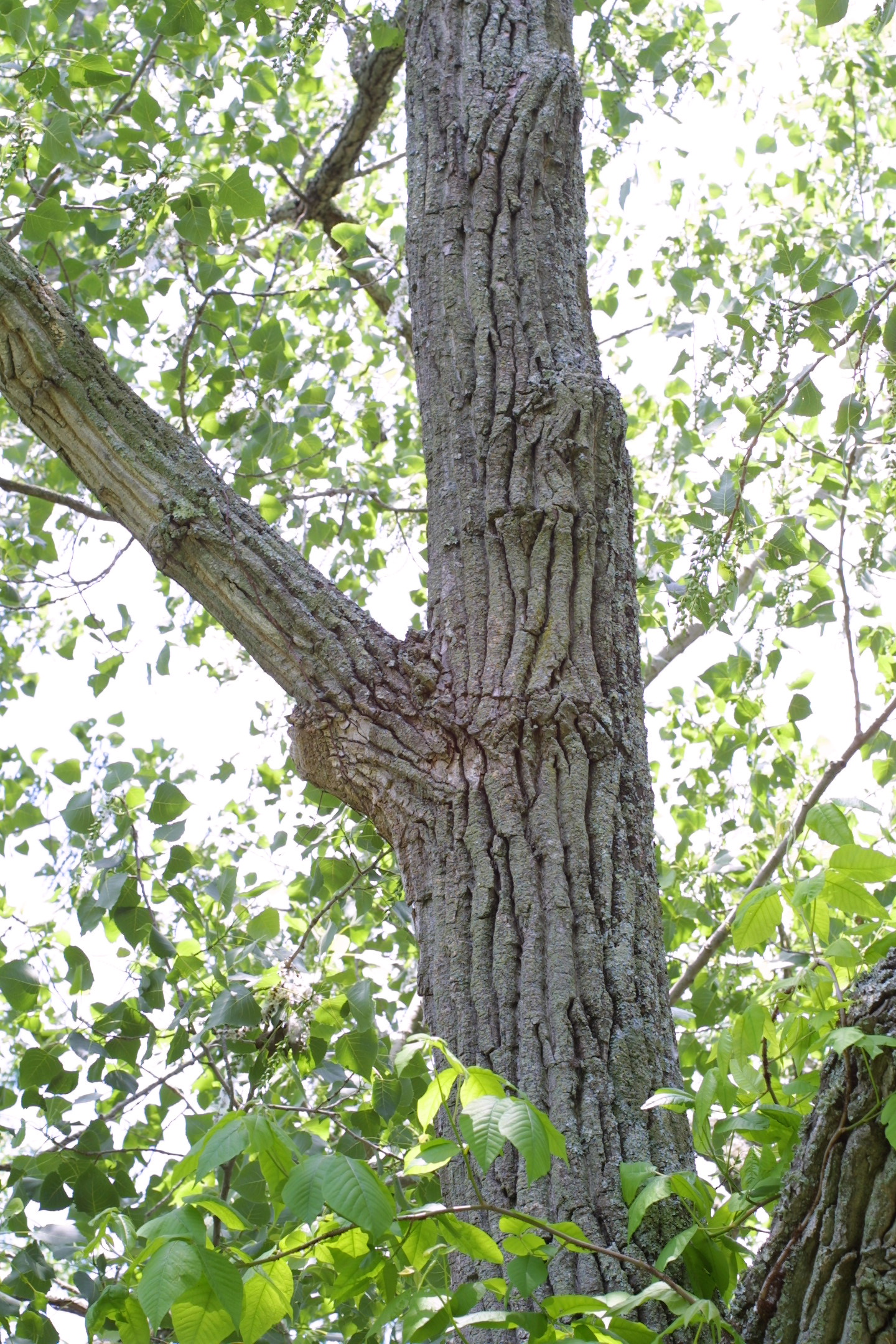
Populus deltoides deltoides, commonly known as Eastern Cottonwood, is a large, fast-growing deciduous tree that can reach heights of 80-100 feet (24-30 meters) tall and 40-60 feet (12-18 meters) wide. It has a broad, open crown and a straight trunk that can reach up to 6 feet (1.8 meters) in diameter. The leaves are triangular in shape and have a pointed tip, hence the name deltoides.
Plant Care Instructions
Outdoor Size Range
80-100 feet (24-30 meters) tall and 40-60 feet (12-18 meters) wide
Light Requirements
Eastern Cottonwood prefers full sun but can tolerate partial shade.
Humidity Needs
Eastern Cottonwood prefers moderate to high humidity levels.
Fertilizing Schedule
It does not require a lot of fertilizer. A balanced fertilizer can be applied in the spring.
Pruning Guidelines
Pruning is not necessary, but dead or diseased branches can be removed as needed.
Common Pests and Diseases
Eastern Cottonwood is susceptible to a variety of pests and diseases, including aphids, borers, cankers, and rust.
Indoor Size Range
Not suitable for indoor growth
Watering Schedule
It requires regular watering, especially during the first few years after planting. Once established, it can tolerate moderate drought.
Temperature Range
It can tolerate a wide range of temperatures, from -30°F to 110°F (-34°C to 43°C).
Growing Season
The growing season for Eastern Cottonwood is from late spring to early fall.
Growing Difficulty Level
Eastern Cottonwood is relatively easy to grow, but it can be messy due to its cotton-like seeds and leaves.
USDA Hardiness Zones
USDA hardiness zones 3-9.
Did You Know?
Eastern Cottonwood is one of the largest and fastest-growing trees in North America. It has been used for centuries by Native Americans for medicinal purposes, and its wood is commonly used for paper, furniture, and musical instruments.
