Special Web Offer - Get 50% OFF!
Grab Your Deal Now
PlantSnap
Plant Care
Canadian poplar
(Populus canadensis)
Also Known As
Canadian poplar, Eastern cottonwood, Balm of gilead, Poplar tree
About This Plant
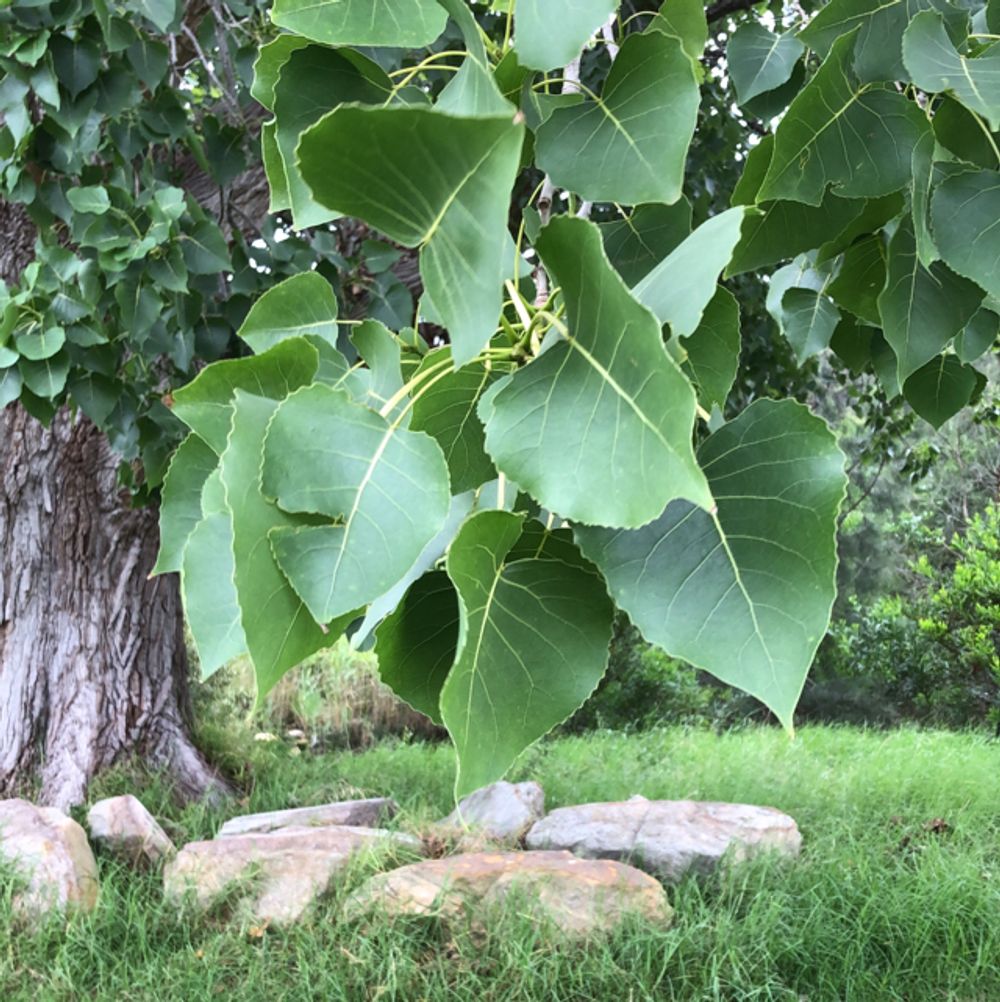
Populus canadensis is a deciduous tree species that belongs to the Salicaceae family. It is commonly known as the Canadian poplar, cottonwood, or eastern cottonwood. The tree can grow up to a height of 100 feet (30 meters) with a trunk diameter of up to 6 feet (1.8 meters). The bark is grayish-brown and deeply furrowed, and the leaves are triangular with serrated edges.
Plant Care Instructions
Outdoor Size Range
60 - 100 feet (18 - 30 meters)
Light Requirements
The Canadian poplar requires full sun to grow well. It needs at least 6 hours of direct sunlight per day.
Humidity Needs
The Canadian poplar can tolerate a wide range of humidity levels, but it prefers moderate to high humidity levels.
Fertilizing Schedule
The Canadian poplar requires regular fertilization during the growing season. A balanced fertilizer with equal amounts of nitrogen, phosphorus, and potassium is recommended.
Pruning Guidelines
Pruning is necessary to maintain the tree's shape and remove dead or diseased branches. It is best to prune the tree during the dormant season.
Common Pests and Diseases
Common pests and diseases for the Canadian poplar include cankers, leaf spots, and borers.
Indoor Size Range
Not suitable for indoor growth
Watering Schedule
The tree needs regular watering, especially during the first few years of growth. It prefers moist soil but can tolerate short periods of drought.
Temperature Range
The tree can tolerate a wide range of temperatures, but it prefers cooler temperatures. It can survive in temperatures as low as -50°F (-45°C).
Growing Season
The Canadian poplar grows best during the spring and summer months.
Growing Difficulty Level
The Canadian poplar is relatively easy to grow, but it can be messy due to the cotton-like substance it produces in the spring.
USDA Hardiness Zones
USDA hardiness zones 2 to 9
Did You Know?
The cotton-like substance produced by the Canadian poplar in the spring is actually the tree's seeds. The seeds are surrounded by a fluffy substance that helps them disperse in the wind.