Special Web Offer - Get 50% OFF!
Grab Your Deal Now
PlantSnap
Plant Care
Ming aralia
(Polyscias fruticosa)
Also Known As
Ming aralia, Japanese aralia, Tree aralia, False aralia
About This Plant
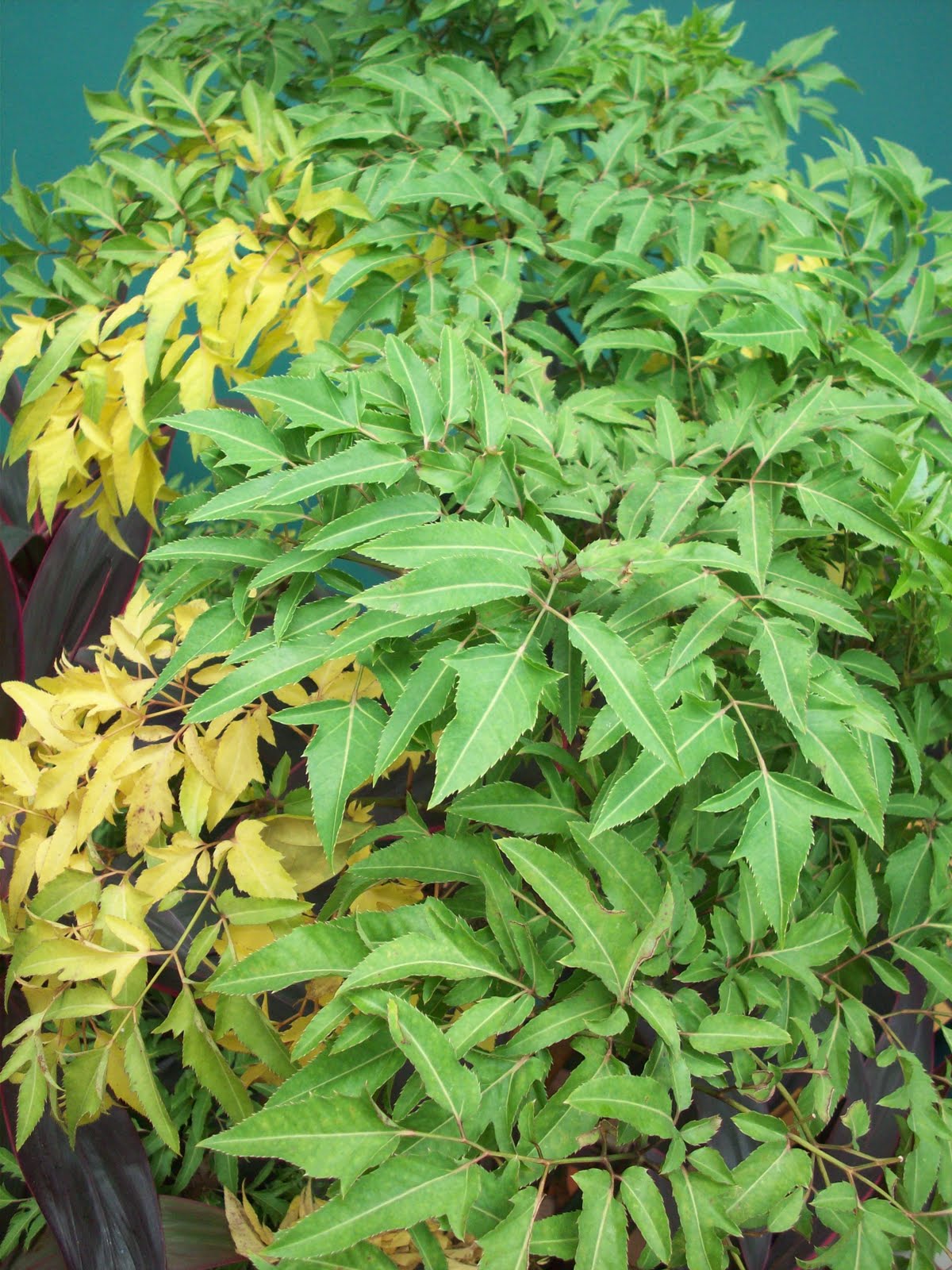
Polyscias fruticosa is a small tree or shrub that can grow up to 6 feet (1.8 m) tall. It has a woody stem with green leaves that are glossy and oval-shaped. The leaves can grow up to 8 inches (20 cm) long and 4 inches (10 cm) wide. The plant produces small flowers that are followed by small berries.
Plant Care Instructions
Outdoor Size Range
3-6 feet (0.9-1.8 m)
Light Requirements
Polyscias fruticosa prefers bright, indirect light but can tolerate some shade. Direct sunlight can burn the leaves.
Humidity Needs
The plant prefers high humidity levels, around 50-60%. It can benefit from regular misting or being placed on a pebble tray filled with water.
Fertilizing Schedule
Fertilize the plant monthly during the growing season with a balanced fertilizer. Reduce fertilization during the winter months.
Pruning Guidelines
Prune the plant in the spring to remove any dead or damaged growth. It can also be pruned to maintain its shape.
Common Pests and Diseases
Common pests for this plant species include spider mites, mealybugs, and scale insects.
Indoor Size Range
3-6 feet (0.9-1.8 m)
Watering Schedule
Water the plant thoroughly and allow the top inch of soil to dry out before watering again. Do not let the soil dry out completely or sit in standing water.
Temperature Range
Polyscias fruticosa prefers temperatures between 65-80°F (18-27°C). It can tolerate temperatures as low as 50°F (10°C) but should be protected from drafts.
Growing Season
The growing season for this plant species is spring and summer.
Growing Difficulty Level
Polyscias fruticosa is considered moderately difficult to grow. It requires specific light and humidity conditions, and can be prone to pests if not cared for properly.
USDA Hardiness Zones
Polyscias fruticosa is not cold hardy and should be grown indoors or in a greenhouse. It is not assigned a USDA hardiness zone.
Did You Know?
The Ming Aralia is native to the Pacific Islands and was named after the Ming Dynasty in China, where it was commonly grown as a bonsai tree.
