Special Web Offer - Get 50% OFF!
Grab Your Deal Now
PlantSnap
Plant Care
Kentucky bluegrass
(Poa pratensis)
Also Known As
Kentucky bluegrass, Common bluegrass, Sedge grass
About This Plant
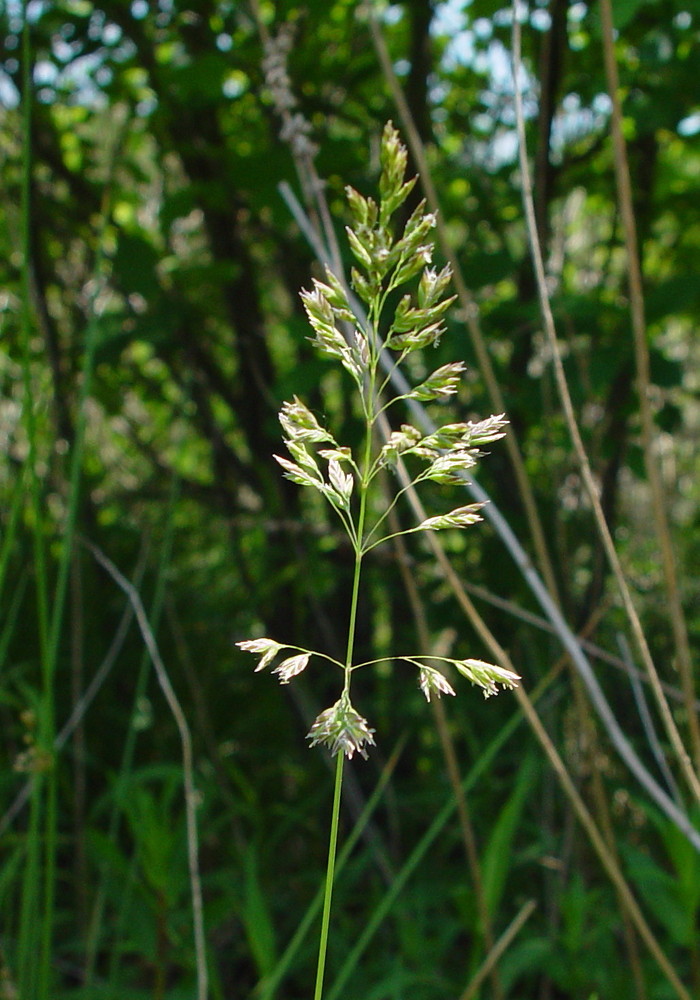
Poa pratensis, commonly known as Kentucky bluegrass, is a cool-season grass species that is native to Europe, Asia, and North Africa. It has flat, tapering leaves and produces a dense, fine-textured turf. Kentucky bluegrass is widely used for lawns, golf courses, and athletic fields due to its excellent wear tolerance and ability to recover quickly from damage.
Plant Care Instructions
Outdoor Size Range
6-12 inches (15-30 cm)
Light Requirements
Kentucky bluegrass prefers full sun, but can tolerate some shade. It requires at least 4-6 hours of direct sunlight per day.
Humidity Needs
Kentucky bluegrass prefers moderate humidity levels, but can tolerate some dryness. It is not recommended for areas with high humidity.
Fertilizing Schedule
Kentucky bluegrass should be fertilized in early spring and again in late fall with a balanced fertilizer. It requires about 1-2 pounds of nitrogen per 1000 square feet per year.
Pruning Guidelines
Kentucky bluegrass should be mowed to a height of 2-3 inches (5-8 cm) to promote healthy growth and prevent thatch buildup. It should be mowed frequently enough to remove no more than one third of the leaf blade at a time.
Common Pests and Diseases
Common pests of Kentucky bluegrass include billbugs, chinch bugs, and sod webworms. Diseases that can affect Kentucky bluegrass include dollar spot, brown patch, and rust.
Indoor Size Range
Not suitable for indoor growing
Watering Schedule
Kentucky bluegrass should be watered deeply and infrequently, allowing the soil to dry out slightly between waterings. It requires about 1-1.5 inches of water per week, either from rainfall or irrigation.
Temperature Range
Kentucky bluegrass is a cool-season grass that grows best in temperatures between 60-75°F (15-24°C). It can tolerate temperatures as low as 20°F (-6°C) and as high as 90°F (32°C).
Growing Season
Kentucky bluegrass grows best in the spring and fall when temperatures are cool and moisture is plentiful. It can go dormant in the summer if temperatures are too high and moisture is limited.
Growing Difficulty Level
Kentucky bluegrass is relatively easy to grow, but requires regular maintenance to keep it looking its best.
USDA Hardiness Zones
Kentucky bluegrass is hardy in USDA zones 2-7.
Did You Know?
Kentucky bluegrass is the species of grass used on the famous Churchill Downs racetrack, home of the Kentucky Derby.