Special Web Offer - Get 50% OFF!
Grab Your Deal Now
PlantSnap
Plant Care
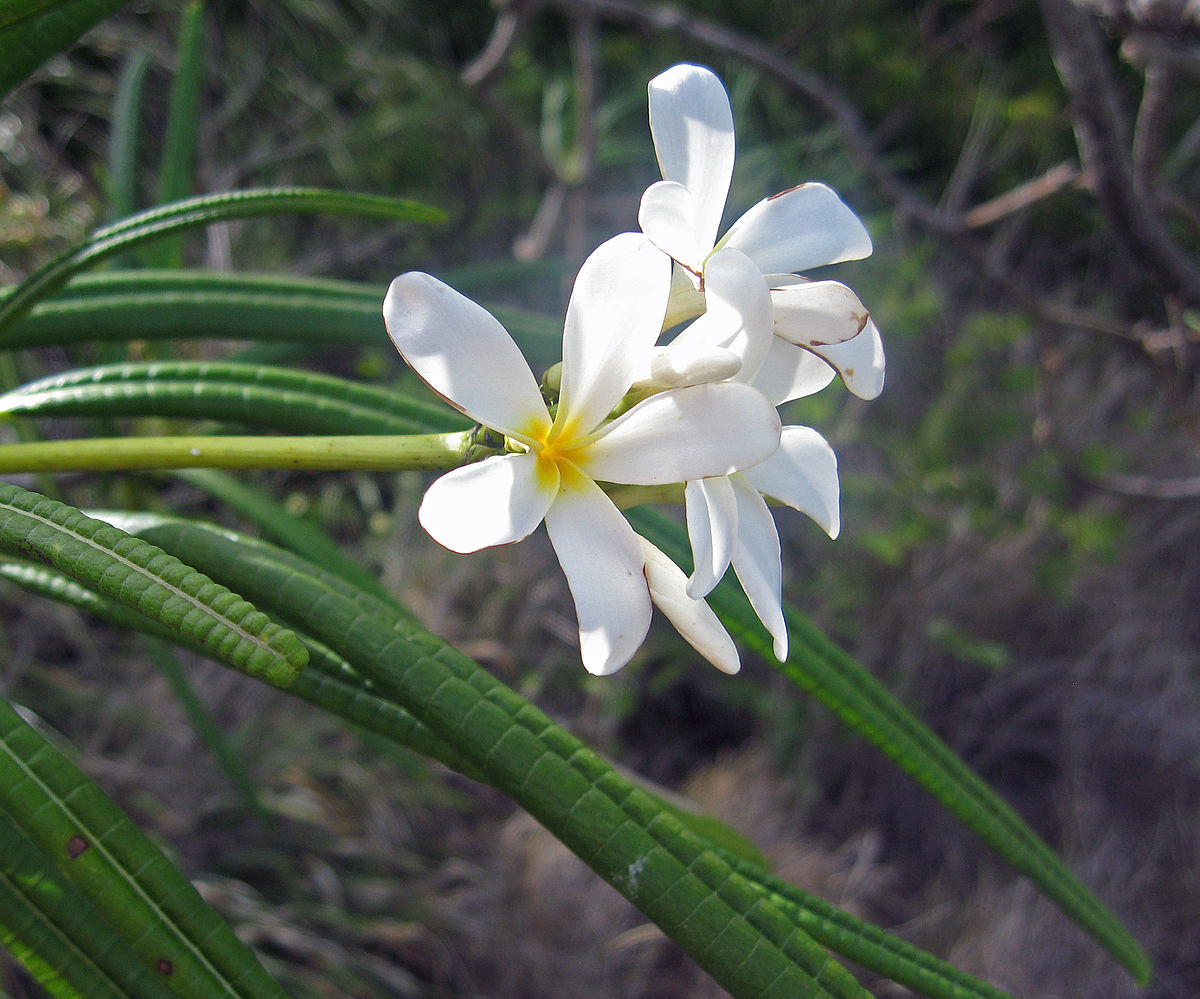
White frangipani
(Plumeria alba)
Also Known As
White frangipani, Frangipani, Temple tree, Apocynaceae
About This Plant
Plumeria alba is a small deciduous tree with a spreading crown, thick grey bark and milky sap. The leaves are simple, alternate, shiny, dark green, and have a distinct fragrance when crushed. The flowers are white with yellow centers and have a sweet fragrance. They bloom in clusters from the branch tips and have a waxy texture.
Plant Care Instructions
Outdoor Size Range
10-20 feet (3-6 meters) tall and 10-15 feet (3-4.5 meters) wide
Light Requirements
Plumeria alba requires full sun to thrive and produce flowers. It needs at least 6 hours of direct sunlight per day.
Humidity Needs
Plumeria alba is adaptable to different humidity levels and can tolerate dry air.
Fertilizing Schedule
Plumeria alba requires a balanced fertilizer with a ratio of 10-30-10 to encourage flower production. It should be fertilized every 2-3 weeks during the growing season and sparingly during the dormant season.
Pruning Guidelines
Plumeria alba should be pruned in late winter or early spring before new growth appears. The branches should be cut back to encourage branching and a fuller plant.
Common Pests and Diseases
Plumeria alba is susceptible to mealybugs, spider mites, and scale insects. It may also be affected by fungal diseases such as black tip fungus and rust.
Indoor Size Range
Not suitable for indoor cultivation
Watering Schedule
Plumeria alba prefers well-draining soil and does not tolerate wet feet. It should be watered deeply once a week during the growing season and sparingly during the dormant season.
Temperature Range
Plumeria alba prefers warm temperatures between 60-100°F (15-38°C) and can tolerate a minimum temperature of 40°F (4°C). It is not frost-tolerant.
Growing Season
Plumeria alba grows best during the warm months of spring and summer.
Growing Difficulty Level
Plumeria alba is moderately difficult to grow as it requires specific growing conditions and can be susceptible to pests and diseases.
USDA Hardiness Zones
Plumeria alba is hardy in USDA zones 9-11.
Did You Know?
Plumeria alba is the national flower of Laos and is often used in traditional Hawaiian leis.