Special Web Offer - Get 50% OFF!
Grab Your Deal Now
PlantSnap
Plant Care
Moosehorn fern
(Platycerium grande)
Also Known As
Moosehorn fern, Staghorn fern, Elkhorn fern
About This Plant
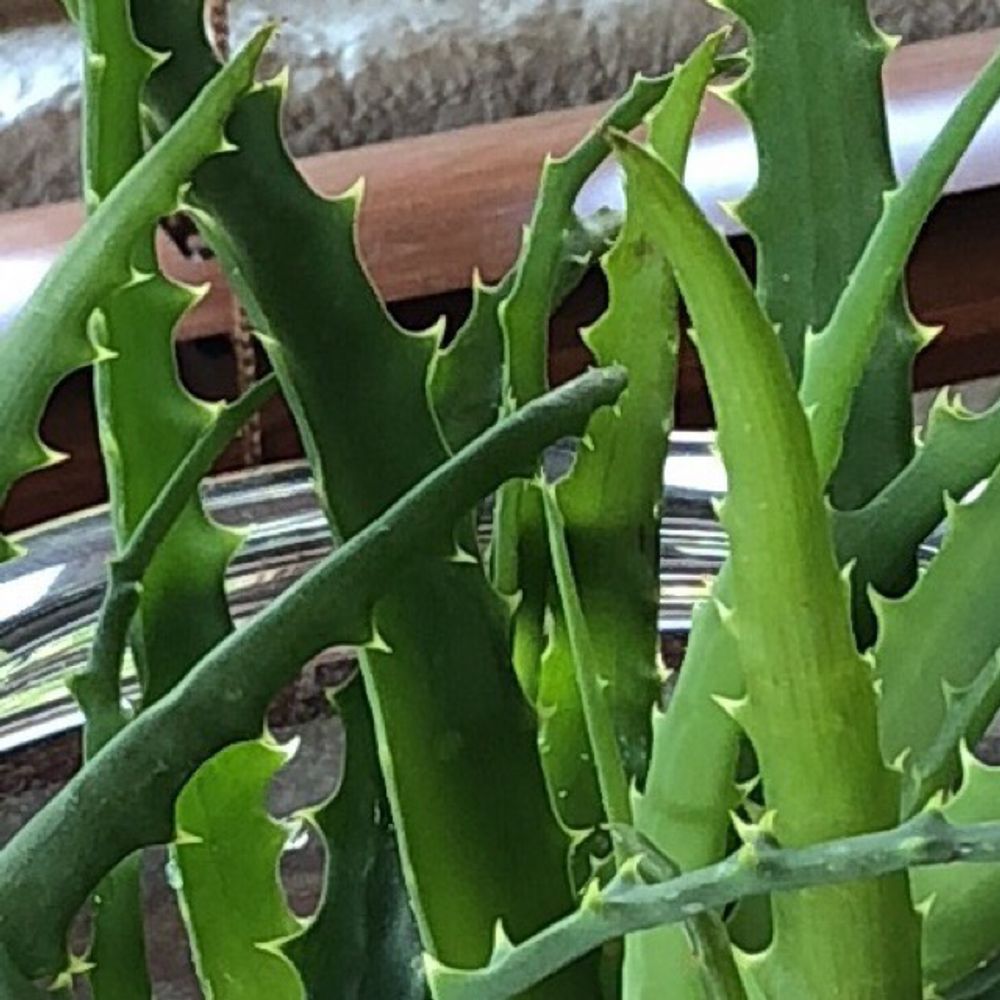
Platycerium grande is an epiphytic fern that is native to tropical regions of Southeast Asia and Northern Australia. It is also known as the Staghorn Fern due to its unique antler-shaped fronds. The plant has two types of fronds, sterile fronds that are flat and shield-shaped and fertile fronds that are antler-shaped and grow up to 4 feet (122 cm) long.
Plant Care Instructions
Outdoor Size Range
24-48 inches (61-122 cm)
Light Requirements
Staghorn ferns prefer bright, indirect light. Direct sunlight can scorch the fronds.
Humidity Needs
Staghorn ferns prefer high humidity levels. You can increase humidity by misting the fronds or placing a tray of water near the plant.
Fertilizing Schedule
Feed the plant once a month with a balanced liquid fertilizer diluted to half strength.
Pruning Guidelines
Remove any dead or brown fronds as needed. You can also divide the plant by separating the offsets from the main plant.
Common Pests and Diseases
Staghorn ferns are susceptible to mealybugs, scale insects, and spider mites.
Indoor Size Range
12-24 inches (30-61 cm)
Watering Schedule
Water the plant when the top inch (2.5 cm) of soil is dry. Mist the fronds occasionally to provide humidity.
Temperature Range
Staghorn ferns prefer temperatures between 60-80°F (16-27°C).
Growing Season
Staghorn ferns can be grown year-round indoors. Outdoors, they can be grown in warm, humid climates.
Growing Difficulty Level
Staghorn ferns are moderately difficult to grow. They require high humidity levels and can be sensitive to overwatering.
USDA Hardiness Zones
9b-11
Did You Know?
The Platycerium grande is a unique plant that can be grown in a variety of ways. Some people like to mount them on a piece of wood or bark, while others prefer to grow them in a hanging basket. They are also often used in green walls and vertical gardens due to their unique shape and texture.
