Special Web Offer - Get 50% OFF!
Grab Your Deal Now
PlantSnap
Plant Care
Staghorn fern
(Platycerium bifurcatum willinckii)
Also Known As
Staghorn fern, Willinck's staghorn fern, Willinck's platycerium, Fern of the staghorn type
About This Plant
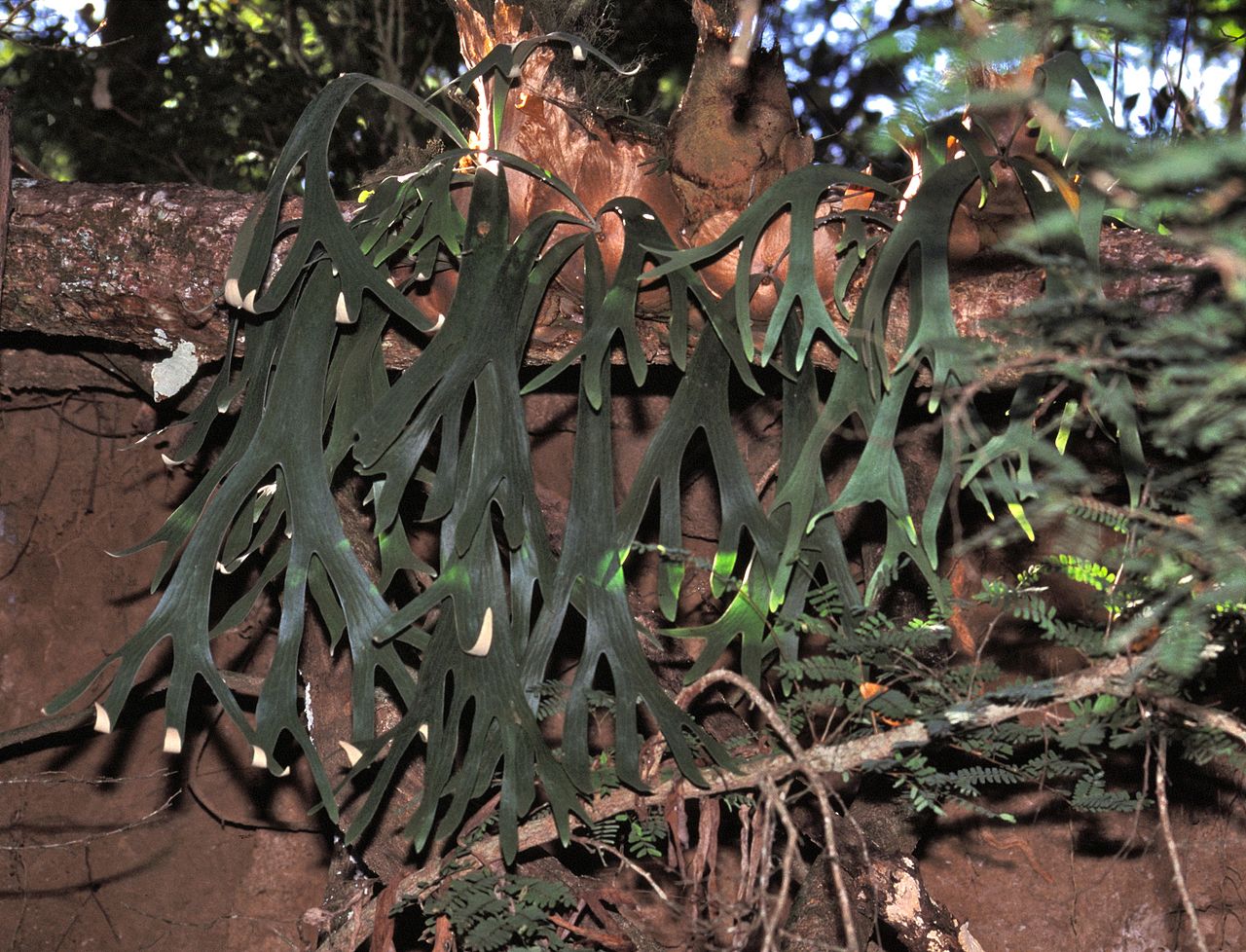
Platycerium bifurcatum willinckii, commonly known as the Elk Horn Fern, is an epiphytic fern that is native to Southeast Asia, New Guinea, and Australia. It is a unique fern species that is known for its antler-shaped fronds that grow in two different forms, the sterile fronds and the fertile fronds.
Plant Care Instructions
Outdoor Size Range
12-36 inches (30-90 cm)
Light Requirements
Elk Horn Ferns prefer bright, indirect light. Direct sunlight can burn the fronds, while low light conditions can cause the plant to grow slowly or not at all.
Humidity Needs
The Elk Horn Fern thrives in high humidity levels. Mist the fronds regularly to provide the required humidity level. Placing the plant on a pebble tray or near a humidifier can also help to increase the humidity level.
Fertilizing Schedule
Feed the Elk Horn Fern with a balanced, water-soluble fertilizer every two weeks during the growing season, which is from spring to fall. Reduce the frequency of fertilization during the winter months.
Pruning Guidelines
Remove any dead or damaged fronds as soon as possible. The Elk Horn Fern does not require extensive pruning, but it can be trimmed to maintain its shape.
Common Pests and Diseases
The Elk Horn Fern is susceptible to mealybugs, scale, and spider mites. Regularly inspect the plant for signs of infestation and treat with an appropriate insecticide if necessary.
Indoor Size Range
12-24 inches (30-60 cm)
Watering Schedule
The Elk Horn Fern requires consistent moisture, but not waterlogged soil. Water the plant when the top layer of soil feels dry to the touch. It is important to avoid getting water on the fronds as this can cause rotting.
Temperature Range
The Elk Horn Fern prefers temperatures between 60-75°F (15-24°C). Avoid exposing the plant to temperatures below 50°F (10°C) or above 90°F (32°C) as this can cause damage to the fronds.
Growing Season
Spring to Fall
Growing Difficulty Level
Moderate
USDA Hardiness Zones
9b to 11
Did You Know?
The Elk Horn Fern is named after its antler-shaped fronds that resemble the horns of an elk.
