Special Web Offer - Get 50% OFF!
Grab Your Deal Now
PlantSnap
Plant Care
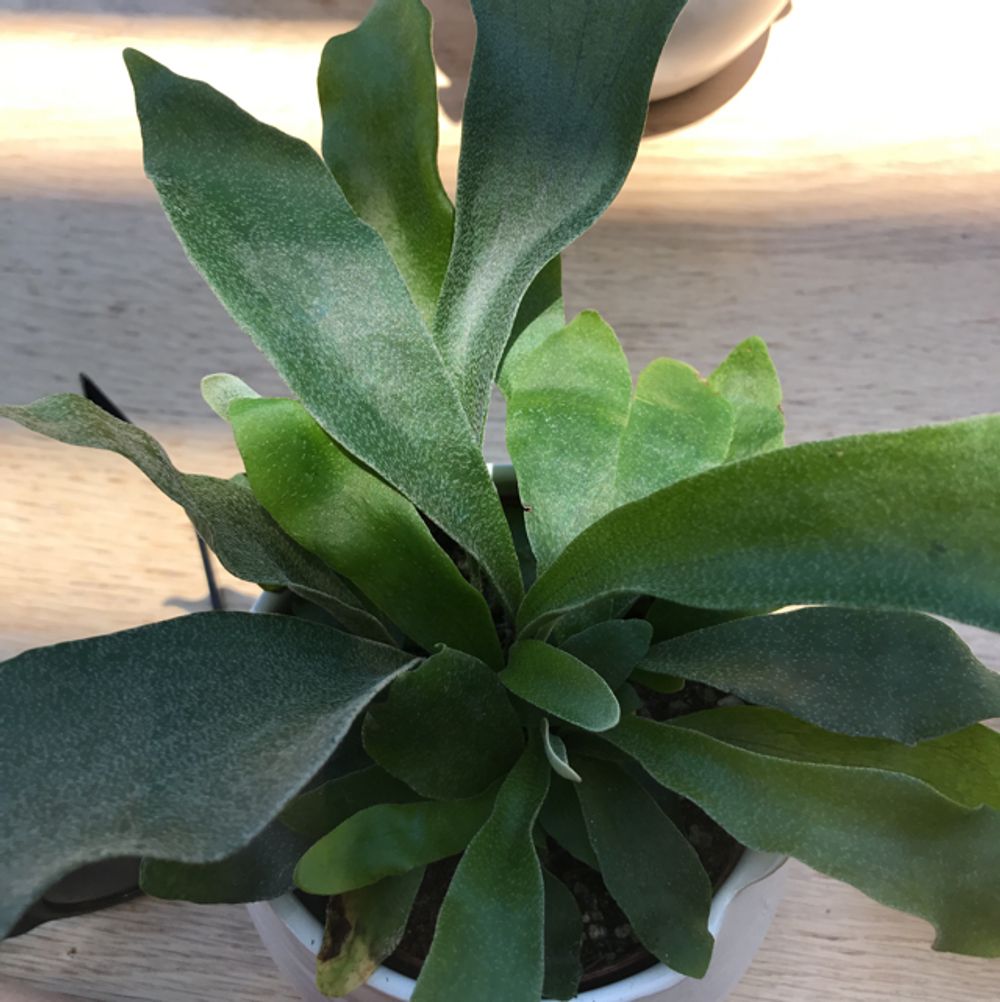
Staghorn fern
(Platycerium bifurcatum)
Also Known As
Staghorn fern, Elkhorn fern, Antler fern
About This Plant
Platycerium bifurcatum is an epiphytic fern that has two distinct types of fronds: basal fronds, which are sterile and shield-shaped, and upper fronds, which are fertile and branching. It is commonly known as the Staghorn fern due to the shape of its upper fronds resembling antlers. It is a popular ornamental plant species that is native to Southeast Asia and Australia.
Plant Care Instructions
Outdoor Size Range
3-4 feet (90-120 cm)
Light Requirements
Platycerium bifurcatum prefers bright, indirect light. Direct sunlight can damage the fronds. It can tolerate low light conditions but will grow slowly.
Humidity Needs
Platycerium bifurcatum thrives in high humidity environments. It is recommended to keep the humidity level between 50-80%. Misting the fronds with water can help increase humidity.
Fertilizing Schedule
Platycerium bifurcatum should be fertilized every 2-4 weeks during the growing season (spring and summer) with a balanced houseplant fertilizer. It is recommended to dilute the fertilizer to half strength.
Pruning Guidelines
This fern does not require much pruning. Dead or damaged fronds can be removed at the base of the plant. The basal fronds can be trimmed to keep them from touching the soil.
Common Pests and Diseases
Common pests for Platycerium bifurcatum include mealybugs, scale insects, and spider mites. It is also susceptible to fungal diseases such as root rot.
Indoor Size Range
18-24 inches (45-60 cm)
Watering Schedule
This fern prefers to be kept evenly moist but not waterlogged. Watering once a week is usually sufficient, but it may need more frequent watering in hot, dry conditions.
Temperature Range
This fern prefers temperatures between 60-75°F (15-24°C). It can tolerate slightly higher or lower temperatures for short periods of time.
Growing Season
The growing season for Platycerium bifurcatum is spring and summer.
Growing Difficulty Level
Platycerium bifurcatum is considered a moderately difficult plant to grow. It requires high humidity and consistent moisture, which can be challenging to maintain in some environments. However, once established, it is a relatively low-maintenance plant.
USDA Hardiness Zones
Platycerium bifurcatum is not cold hardy and should be grown indoors or in a greenhouse. It is recommended for USDA hardiness zones 10-12.
Did You Know?
Platycerium bifurcatum is sometimes called the 'elkhorn fern' due to the shape of its upper fronds resembling elk antlers.
