Special Web Offer - Get 50% OFF!
Grab Your Deal Now
PlantSnap
Plant Care
California sycamore
(Platanus racemosa)
Also Known As
California sycamore, Pacific plane tree, Western sycamore
About This Plant
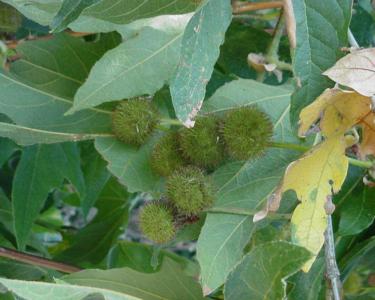
Platanus racemosa is a species of sycamore tree, native to California and Baja California. It is a deciduous tree that can reach up to 30 meters (100 feet) tall and 9 meters (30 feet) wide, with a broad and spreading crown. The bark is light gray and smooth when young, becoming darker and developing thick, irregular ridges with age. The leaves are palmate, with 3-5 lobes, and are up to 20 cm (8 inches) long and wide. The flowers are small and greenish and are produced in dense, hanging clusters in the spring. The fruit is a spherical, spiky ball, up to 3 cm (1 inch) in diameter, containing numerous small seeds.
Plant Care Instructions
Outdoor Size Range
Up to 30 meters (100 feet) tall and 9 meters (30 feet) wide
Light Requirements
Full sun to partial shade. California sycamores grow naturally in riparian areas, which are characterized by a mix of sun and shade.
Humidity Needs
California sycamores prefer moderate humidity levels, but can tolerate dry air.
Fertilizing Schedule
Fertilizer is generally not necessary for established trees, but young trees can benefit from a balanced fertilizer in the spring.
Pruning Guidelines
Pruning is generally not necessary for California sycamores, but dead or damaged branches should be removed as needed.
Common Pests and Diseases
California sycamores are susceptible to a number of pests and diseases, including anthracnose, powdery mildew, and sycamore lace bugs.
Indoor Size Range
Not suitable for indoor growing
Watering Schedule
Regular watering is necessary for the first few years after planting, but established trees can tolerate drought conditions.
Temperature Range
California sycamores are hardy in USDA zones 7-10 and can tolerate temperatures down to 10°F (-12°C).
Growing Season
Spring and summer
Growing Difficulty Level
Moderately difficult to grow. California sycamores require regular watering and are susceptible to pests and diseases.
USDA Hardiness Zones
7-10
Did You Know?
The California sycamore is an important tree in the ecology of California riparian zones, providing habitat and food for a variety of wildlife, including woodpeckers, owls, and squirrels.
