Special Web Offer - Get 50% OFF!
Grab Your Deal Now
PlantSnap
Plant Care
Pea
(Pisum sativum)
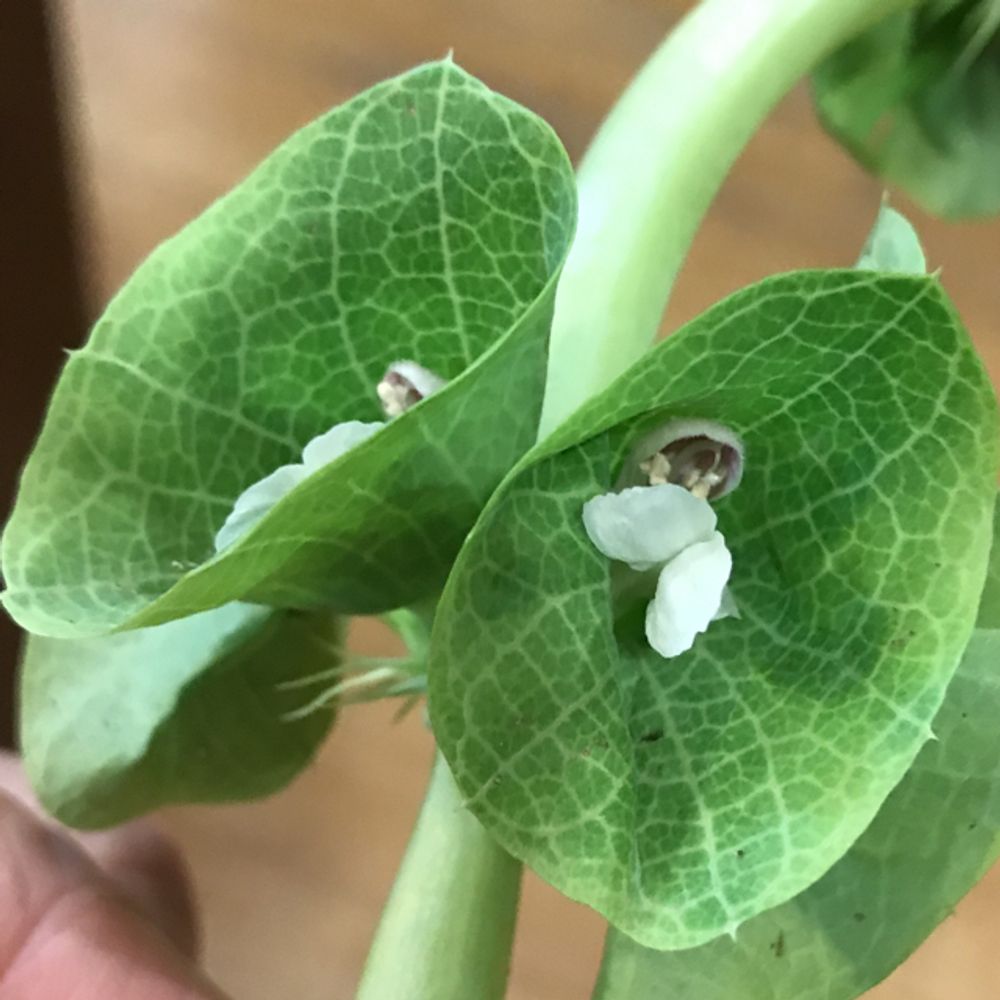
Also Known As
Pea, Garden pea, Sweet pea, Snap pea, Field pea
About This Plant
Pisum sativum is an annual plant species that belongs to the family Fabaceae. It is commonly known as garden pea or simply pea. The plant is native to the Mediterranean basin and is now widely cultivated all over the world for its edible seeds.
Plant Care Instructions
Outdoor Size Range
24-36 inches (60-90 cm)
Light Requirements
Peas require full sun to grow properly. They need at least 6-8 hours of direct sunlight per day. If grown indoors, they should be placed near a south-facing window or under grow lights.
Humidity Needs
Peas prefer moderate humidity levels, around 40-60%. They can tolerate lower humidity levels but may require more frequent watering to compensate.
Fertilizing Schedule
Peas do not require a lot of fertilizer. A balanced fertilizer with equal amounts of nitrogen, phosphorus, and potassium can be applied at planting time. Additional applications may be necessary if the plant shows signs of nutrient deficiency.
Pruning Guidelines
Peas do not require much pruning. However, it is recommended to pinch off the tips of the plants when they reach about 6 inches (15 cm) tall to encourage branching.
Common Pests and Diseases
Common pests that affect peas include aphids, thrips, and spider mites. Diseases that affect peas include powdery mildew, root rot, and fusarium wilt.
Indoor Size Range
12-18 inches (30-45 cm)
Watering Schedule
Peas require regular watering, especially during the flowering and pod formation stages. The soil should be kept moist but not waterlogged. It is recommended to water deeply once or twice a week rather than shallowly every day.
Temperature Range
Peas prefer cool temperatures between 60-65°F (15-18°C). They can tolerate temperatures as low as 40°F (4°C) and as high as 75°F (24°C).
Growing Season
Peas are a cool-season crop and can be planted in early spring or late summer for a fall harvest. The growing season for peas is typically around 60-70 days.
Growing Difficulty Level
Peas are relatively easy to grow and are a great plant for beginners.
USDA Hardiness Zones
Peas can be grown in USDA hardiness zones 2-11.
Did You Know?
Peas were one of the earliest cultivated crops and were grown by ancient civilizations such as the Greeks, Romans, and Egyptians.
