Special Web Offer - Get 50% OFF!
Grab Your Deal Now
PlantSnap
Plant Care
Virginia pine
(Pinus virginiana)
Also Known As
Virginia pine, Scrub pine, Oldfield pine
About This Plant
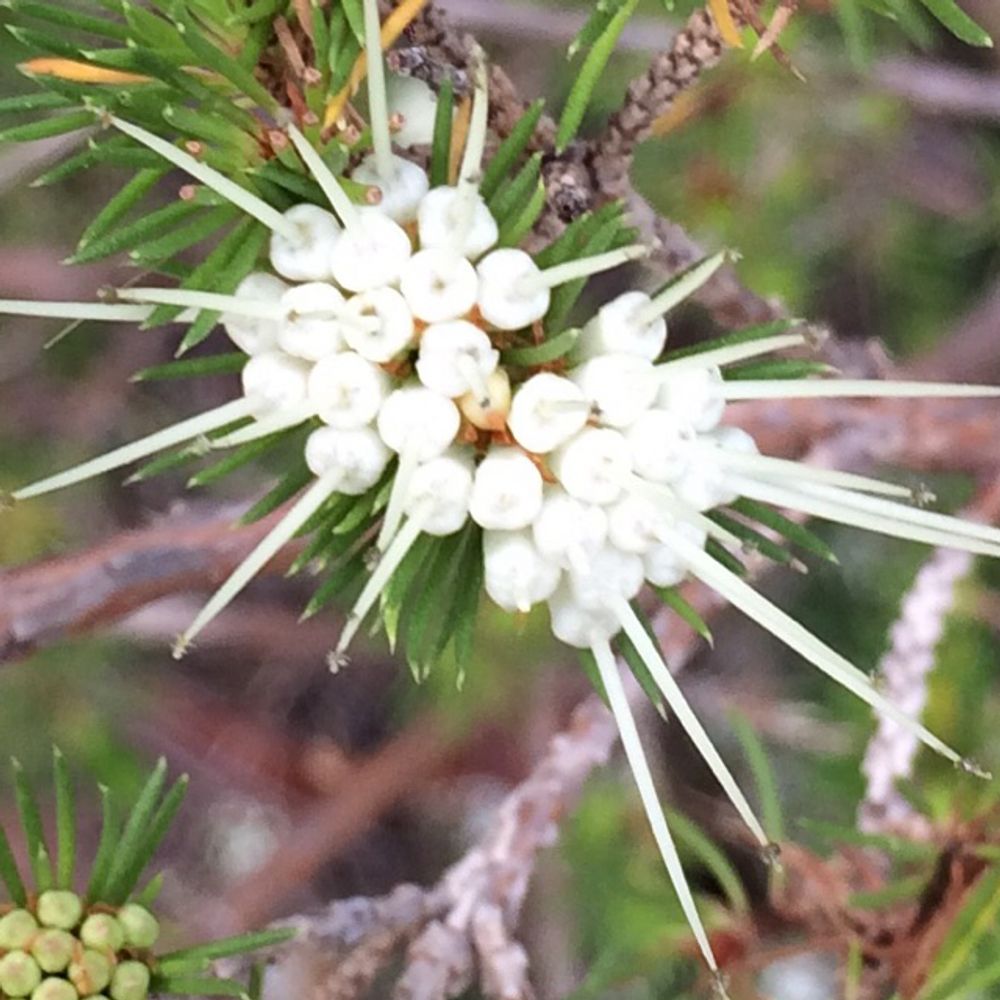
Pinus virginiana, commonly known as Virginia pine, is a small to medium-sized evergreen coniferous tree that can grow up to 30 meters (98 feet) tall. It has a conical crown with spreading branches and reddish-brown bark that becomes gray and scaly with age. The needles are dark green and twisted, measuring between 4 and 6 inches (10-15 cm) long. The cones are small, measuring between 1.5 and 3 inches (4-8 cm) long, and are brown in color.
Plant Care Instructions
Outdoor Size Range
40-50 feet (12-15 meters) tall and 20-25 feet (6-8 meters) wide
Light Requirements
Virginia pine prefers full sun but can tolerate some shade.
Humidity Needs
Virginia pine can tolerate low humidity levels.
Fertilizing Schedule
Virginia pine does not require fertilization, but it can benefit from a balanced fertilizer applied in the spring.
Pruning Guidelines
Pruning is not necessary for Virginia pine, but it can be done in the late winter or early spring to remove dead or damaged branches.
Common Pests and Diseases
Virginia pine is susceptible to bark beetles, weevils, and pine tip moths.
Indoor Size Range
Not suitable for indoor cultivation
Watering Schedule
This species is drought-tolerant and can survive in dry conditions, but it grows best in well-drained soil with moderate moisture levels.
Temperature Range
This species is hardy in USDA zones 6 to 9 and can tolerate a wide range of temperatures.
Growing Season
Virginia pine grows best in the spring and fall, but it can grow year-round in mild climates.
Growing Difficulty Level
Virginia pine is relatively easy to grow, making it a popular choice for reforestation and landscaping.
USDA Hardiness Zones
6 to 9
Did You Know?
Virginia pine is the only pine species native to Virginia, and it is also found in other parts of the eastern United States.
