Special Web Offer - Get 50% OFF!
Grab Your Deal Now
PlantSnap
Plant Care
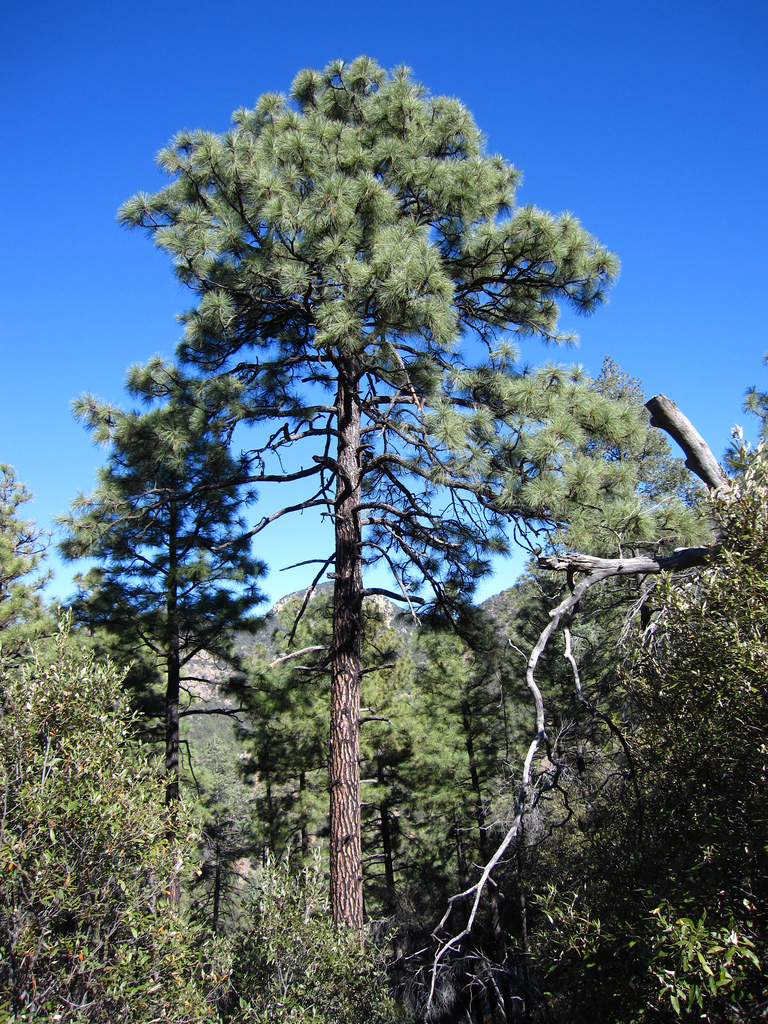
Ponderosa pine
(Pinus ponderosa ponderosa)
Also Known As
Ponderosa pine, Yellow pine, Western yellow pine, Black pine, Heart pine
About This Plant
Pinus ponderosa ponderosa is a species of pine tree that can grow up to 82 feet (25 meters) tall with a trunk diameter of up to 4 feet (1.2 meters). It has a straight trunk with branches that form a conical or rounded crown. The bark is thick, dark brown, and deeply furrowed. The needles are long, stiff, and come in bundles of three. The cones are large, ovoid, and have a sharp point at the end of each scale.
Plant Care Instructions
Outdoor Size Range
50-82 feet (15-25 meters) tall and 20-30 feet (6-9 meters) wide
Light Requirements
Ponderosa Pine requires full sun to partial shade. It prefers at least 6 hours of direct sunlight per day.
Humidity Needs
Ponderosa Pine prefers low to moderate humidity levels.
Fertilizing Schedule
Ponderosa Pine does not require fertilizer if grown in its natural habitat. If grown in poor soil, it may benefit from a slow-release fertilizer applied in the spring.
Pruning Guidelines
Ponderosa Pine requires minimal pruning. Dead or damaged branches can be removed at any time of year. Pruning should be done in the late fall or winter to avoid attracting bark beetles.
Common Pests and Diseases
Ponderosa Pine is susceptible to bark beetles, dwarf mistletoe, and western gall rust. It may also be affected by root rot if grown in poorly-drained soil.
Indoor Size Range
Not suitable for indoor growing
Watering Schedule
Ponderosa Pine is drought-tolerant and does not require frequent watering once established. It is important to water deeply and infrequently, allowing the soil to dry out between waterings.
Temperature Range
Ponderosa Pine can tolerate a wide range of temperatures, from -50°F to 120°F (-45°C to 49°C). It is hardy in USDA zones 3 to 7.
Growing Season
Ponderosa Pine grows best in the spring and early summer, but can be planted in the fall as well.
Growing Difficulty Level
Ponderosa Pine is considered easy to grow in its natural habitat, but may be difficult to grow in urban areas due to pollution and soil compaction.
USDA Hardiness Zones
3 to 7
Did You Know?
Ponderosa Pine is the state tree of Montana. It is also known for its distinctive vanilla or butterscotch scent.
