Special Web Offer - Get 50% OFF!
Grab Your Deal Now
PlantSnap
Plant Care
Stone pine
(Pinus pinea)
Also Known As
Stone pine, Italian stone pine, Umbrella pine, Mediterranean pine, Roman pine
About This Plant
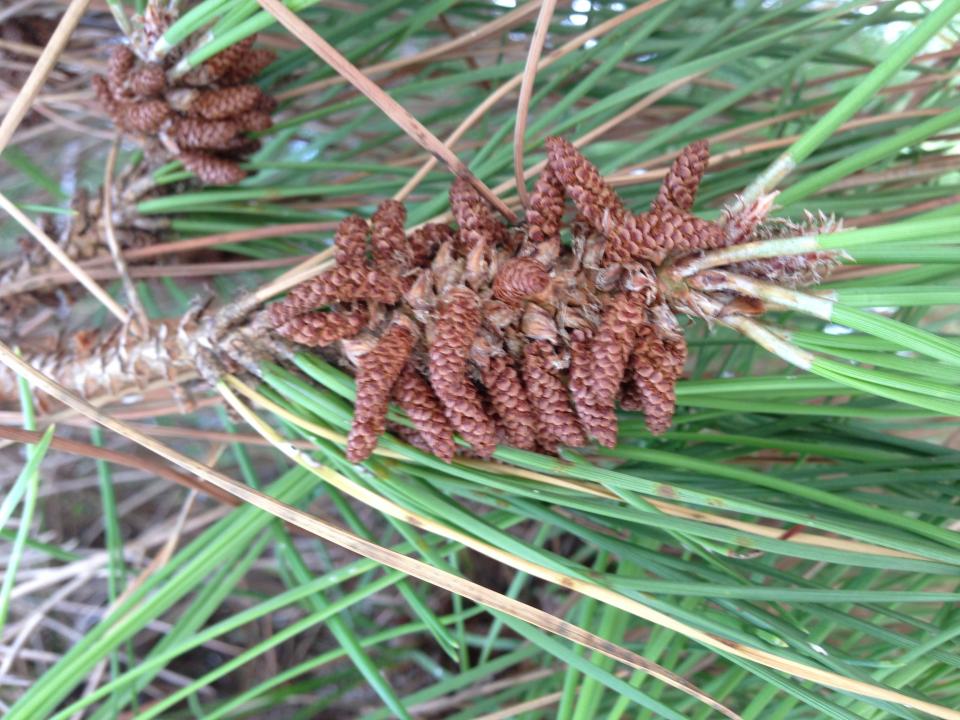
Pinus pinea, commonly known as the Stone Pine, is an evergreen coniferous tree native to the Mediterranean region. It has a broad, dome-shaped crown and can grow up to 25-35 meters (82-115 feet) tall with a trunk diameter of up to 1.2 meters (4 feet). The bark is thick and deeply fissured, and the needles are long and slender, measuring 10-20 cm (4-8 inches) in length.
Plant Care Instructions
Outdoor Size Range
25-35 meters (82-115 feet) tall and 1.2 meters (4 feet) in diameter
Light Requirements
The Stone Pine requires full sun exposure for optimal growth.
Humidity Needs
The Stone Pine prefers low humidity levels, making it an ideal plant for dry and arid climates.
Fertilizing Schedule
The Stone Pine does not require regular fertilization. However, applying a slow-release fertilizer in early spring can help promote healthy growth.
Pruning Guidelines
Pruning is not necessary for this species. However, removing dead or damaged branches can help improve its overall appearance.
Common Pests and Diseases
The Stone Pine is generally pest-resistant. However, it can be susceptible to bark beetles and pine processionary caterpillars.
Indoor Size Range
Not suitable for indoor growth
Watering Schedule
This species is drought-tolerant and can survive with little watering. However, it is important to water it regularly during the first few years of growth to establish a strong root system.
Temperature Range
This species can tolerate a wide range of temperatures, from -12°C to 38°C (10°F to 100°F). However, it is sensitive to frost during the first few years of growth.
Growing Season
The Stone Pine grows best in the spring and fall when temperatures are mild.
Growing Difficulty Level
The Stone Pine is relatively easy to grow and requires minimal maintenance once established.
USDA Hardiness Zones
USDA hardiness zones 8-10
Did You Know?
The Stone Pine is widely cultivated for its edible pine nuts, which are a popular ingredient in Mediterranean cuisine.
