Special Web Offer - Get 50% OFF!
Grab Your Deal Now
PlantSnap
Plant Care
Maritime pine
(Pinus pinaster)
Also Known As
Maritime pine, Slash pine, Austrian pine, Eastern yellow pine
About This Plant
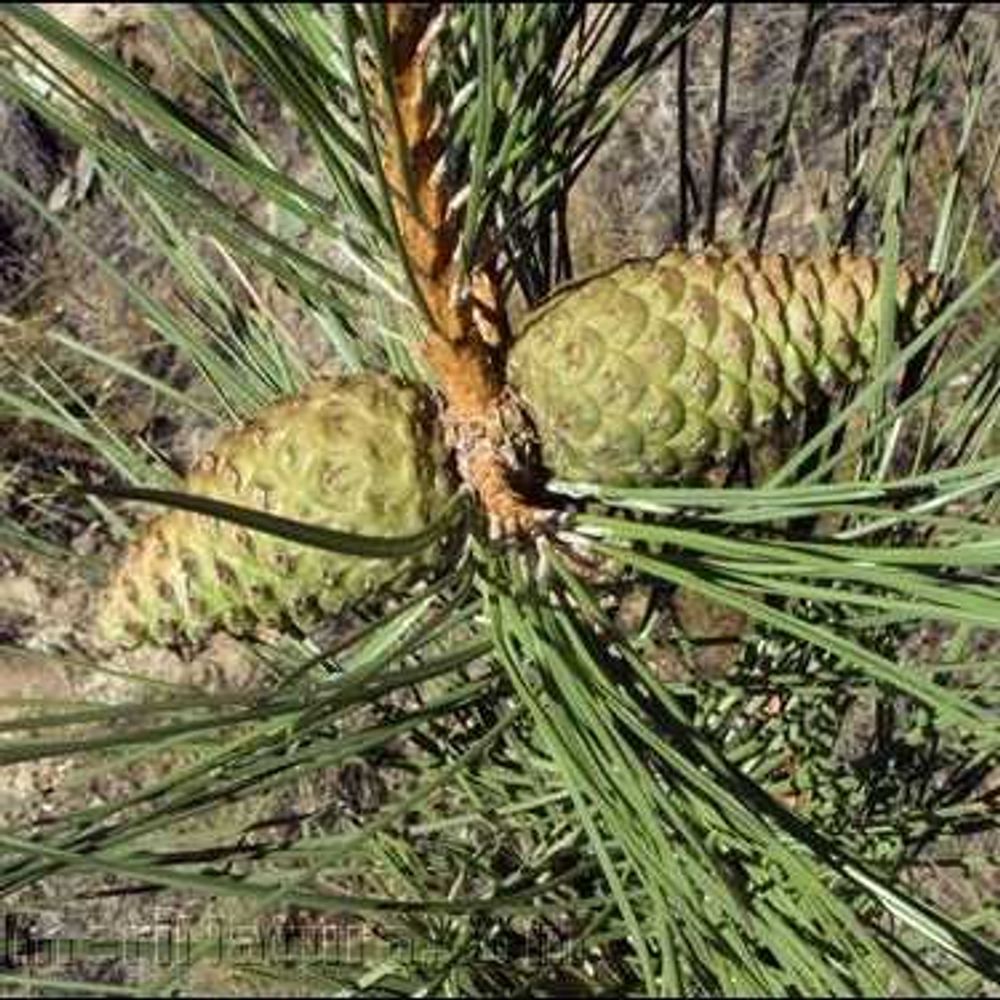
Pinus pinaster, commonly known as Maritime Pine, is a coniferous evergreen tree that belongs to the Pinaceae family. It is characterized by its tall and straight trunk, reddish-brown bark with deep fissures, and long needles that grow in pairs. The tree produces large cones that can grow up to 20 cm long and contain edible seeds.
Plant Care Instructions
Outdoor Size Range
50-70 feet (15-21 meters) tall and 20-40 feet (6-12 meters) wide
Light Requirements
Maritime Pine prefers full sunlight but can tolerate some shade.
Humidity Needs
Maritime Pine prefers low to moderate humidity levels.
Fertilizing Schedule
It does not require fertilizer if grown in nutrient-rich soil. However, if the soil is poor, it can benefit from a slow-release fertilizer in the spring.
Pruning Guidelines
Pruning is not necessary, but dead or damaged branches should be removed to maintain the tree's health and appearance.
Common Pests and Diseases
Maritime Pine is susceptible to pine wilt disease, which is caused by a nematode that attacks the tree's vascular system. Other pests include bark beetles and pine processionary caterpillars.
Indoor Size Range
N/A
Watering Schedule
It is drought-tolerant but needs regular watering during the first few years of growth. Once established, it can withstand periods of drought.
Temperature Range
It can tolerate a range of temperatures, from -10°F (-23°C) to 100°F (38°C).
Growing Season
Maritime Pine grows best in the spring and fall when temperatures are cooler.
Growing Difficulty Level
Maritime Pine is relatively easy to grow and maintain.
USDA Hardiness Zones
USDA hardiness zones 7-9.
Did You Know?
The resin from the Maritime Pine's bark is used to make turpentine, which is used as a solvent and in the production of varnishes and paints.
