Special Web Offer - Get 50% OFF!
Grab Your Deal Now
PlantSnap
Plant Care
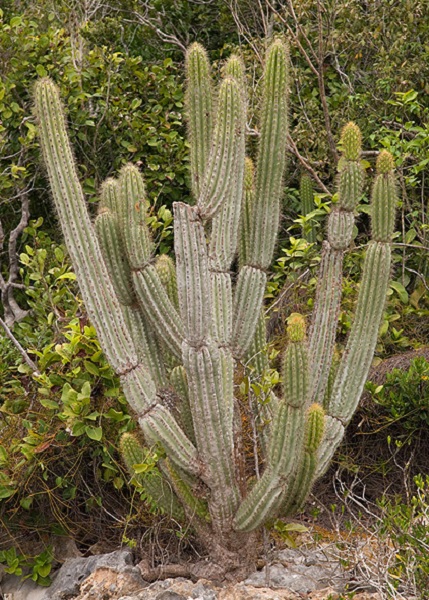
Key tree cactus
(Pilosocereus robinii deeringii)
Also Known As
Key tree cactus, Blue columnar cactus, Deering's pilosocereus, Giant blue cactus
About This Plant
Pilosocereus robinii deeringii is a cactus species that is native to Florida, USA, and the Caribbean islands. It has a cylindrical stem that can reach up to 30 feet (9.14 meters) in height and 6 inches (15.24 cm) in diameter. The stem is covered in white spines and produces small pink or white flowers.
Plant Care Instructions
Outdoor Size Range
Height: 20-30 feet (6.1-9.14 meters), Diameter: 6 inches (15.24 cm)
Light Requirements
Deering's cactus prefers full sun and needs at least 6 hours of direct sunlight per day.
Humidity Needs
Deering's cactus prefers low humidity and can tolerate dry air.
Fertilizing Schedule
Deering's cactus does not require fertilizer, but you can use a cactus-specific fertilizer during the growing season to promote growth.
Pruning Guidelines
This cactus does not require pruning, but you can remove any dead or damaged stems to promote growth.
Common Pests and Diseases
Common pests for Deering's cactus include mealybugs, spider mites, and scale insects.
Indoor Size Range
Not suitable for indoor cultivation
Watering Schedule
This cactus is drought-tolerant and should be watered sparingly. Water only when the soil is completely dry, and avoid overwatering as it can lead to root rot.
Temperature Range
This cactus prefers warm temperatures and can tolerate temperatures as low as 30°F (-1°C) and as high as 100°F (38°C).
Growing Season
Deering's cactus grows actively during the spring and summer months.
Growing Difficulty Level
Deering's cactus is relatively easy to grow and maintain.
USDA Hardiness Zones
Deering's cactus is hardy in USDA zones 9b to 11.
Did You Know?
Deering's cactus is named after Charles Deering, an American businessman and art collector who was instrumental in preserving the natural beauty of southern Florida.