Special Web Offer - Get 50% OFF!
Grab Your Deal Now
PlantSnap
Plant Care
Chinese money plant
(Pilea peperomioides)
Also Known As
Chinese money plant, Pancake plant, Friendship plant, Ufo plant
About This Plant
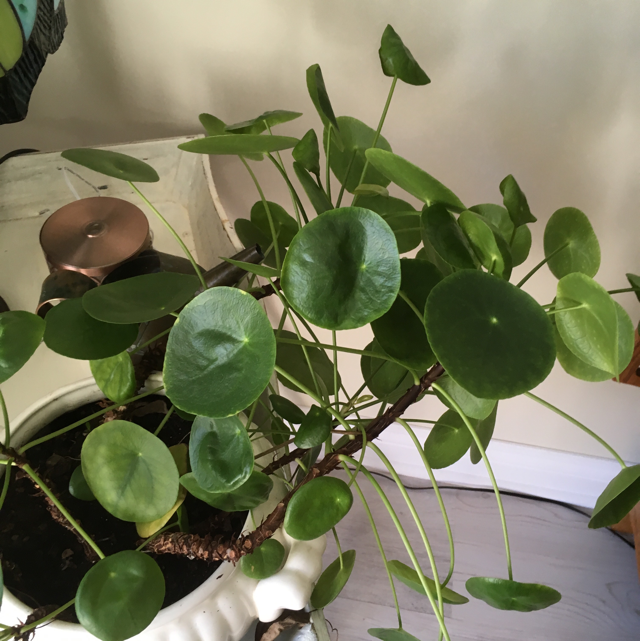
Pilea peperomioides is an evergreen perennial plant species with round, shiny, green leaves that grow on long petioles. It is a popular houseplant due to its unique appearance and ease of care.
Plant Care Instructions
Outdoor Size Range
Not applicable as it is primarily grown indoors
Light Requirements
Pilea peperomioides prefers bright, indirect light. Direct sunlight can scorch its leaves, while too little light can cause the plant to become leggy and weak. It can also tolerate low light conditions, making it a great choice for offices and other indoor spaces with limited natural light.
Humidity Needs
It prefers moderate to high humidity levels, which can be achieved by misting the leaves regularly or placing a tray of water near the plant. Dry air can cause the tips of the leaves to brown.
Fertilizing Schedule
It benefits from regular fertilization during the growing season (spring and summer). A balanced, water-soluble fertilizer can be applied every two weeks.
Pruning Guidelines
It benefits from occasional pruning to encourage bushier growth and remove any dead or yellowing leaves. Pinching off the tips of the stems can also promote branching.
Common Pests and Diseases
Common pests include spider mites, mealybugs, and scale insects. These can be treated with insecticidal soap or neem oil.
Indoor Size Range
6-12 inches (15-30 cm) in height and 6-8 inches (15-20 cm) in width
Watering Schedule
It prefers to be kept evenly moist but not waterlogged. Watering once a week is usually sufficient, but this can vary depending on the humidity and temperature of the plant's environment. It is important not to let the soil dry out completely between waterings.
Temperature Range
It prefers temperatures between 60-75°F (15-24°C), but can tolerate temperatures as low as 50°F (10°C) and as high as 85°F (29°C). It is important not to expose the plant to extreme temperature fluctuations.
Growing Season
Spring and summer are the best times to grow Pilea peperomioides.
Growing Difficulty Level
Pilea peperomioides is considered an easy plant to grow, making it a great choice for beginners.
USDA Hardiness Zones
Not applicable as it is primarily grown indoors
Did You Know?
Pilea peperomioides is also known as the 'UFO plant' due to its saucer-shaped leaves and aerial roots that resemble a spaceship.
