Special Web Offer - Get 50% OFF!
Grab Your Deal Now
PlantSnap
Plant Care
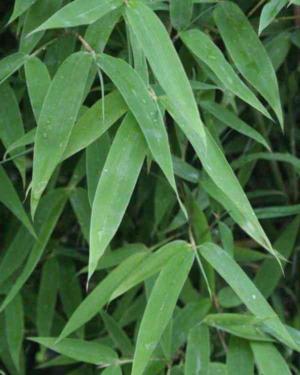
Golden bamboo
(Phyllostachys aurea)
Also Known As
Golden bamboo, Fishpole bamboo, Monkey grass
About This Plant
Phyllostachys aurea, commonly known as Golden Bamboo, is a species of bamboo native to China and Vietnam. It has a distinctive yellow stem and can grow up to 10-25 meters (33-82 feet) tall.
Plant Care Instructions
Outdoor Size Range
10-25 meters (33-82 feet)
Light Requirements
Golden Bamboo prefers full sun to partial shade. It can tolerate some shade, but too much shade can weaken the plant.
Humidity Needs
Golden Bamboo prefers high humidity levels. It can be grown in drier climates, but it will require more frequent watering to compensate for the lack of humidity.
Fertilizing Schedule
Golden Bamboo requires regular fertilization during the growing season. A balanced fertilizer can be applied every two weeks to promote growth.
Pruning Guidelines
Golden Bamboo does not require pruning, but dead or damaged stems can be removed to improve the appearance of the plant.
Common Pests and Diseases
Golden Bamboo is relatively pest-free, but it can be susceptible to aphids, spider mites, and mealybugs. These can be controlled with insecticidal soap or neem oil.
Indoor Size Range
Not suitable for indoor cultivation
Watering Schedule
Golden Bamboo requires regular watering, especially during dry spells. The soil should be kept moist but not waterlogged.
Temperature Range
Golden Bamboo can tolerate a wide range of temperatures, from -12°C (10°F) to 38°C (100°F). However, it prefers temperatures between 20°C (68°F) and 30°C (86°F).
Growing Season
Golden Bamboo can be grown year-round in warm climates, but it prefers to grow in the spring and summer months.
Growing Difficulty Level
Golden Bamboo is relatively easy to grow, but it can be invasive in some areas. It is important to contain the plant by planting it in a container or using a rhizome barrier.
USDA Hardiness Zones
Golden Bamboo is hardy to USDA zones 7-10.
Did You Know?
Golden Bamboo is known for its use in traditional Chinese medicine, where it is believed to have anti-inflammatory and anti-cancer properties.
