Special Web Offer - Get 50% OFF!
Grab Your Deal Now
PlantSnap
Plant Care
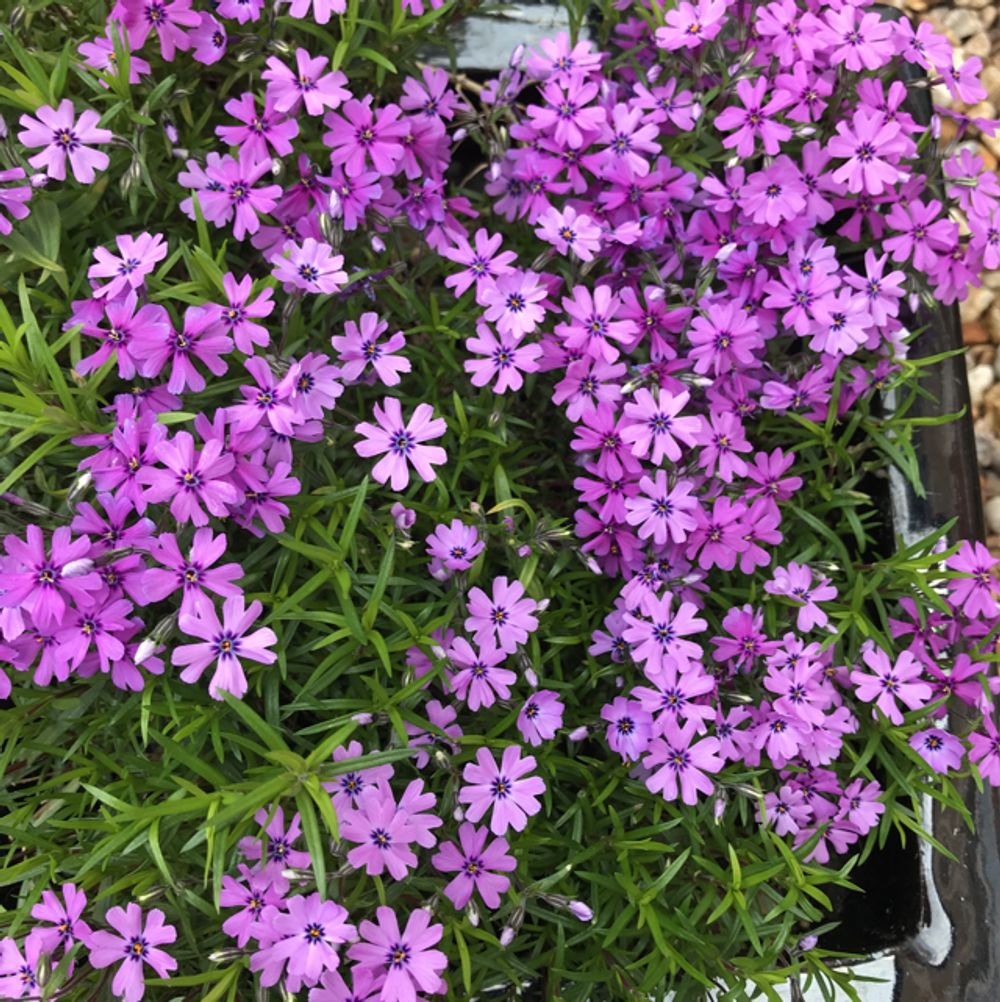
Creeping phlox
(Phlox subulata)
Also Known As
Creeping phlox, Moss phlox, Phlox moss, Ground phlox, Phlox subulata
About This Plant
Phlox subulata is a mat-forming evergreen perennial with needle-like leaves and small, colorful flowers. It is commonly known as creeping phlox or moss phlox.
Plant Care Instructions
Outdoor Size Range
3-6 inches (7.6-15.2 cm) tall, 12-24 inches (30.5-61 cm) wide
Light Requirements
Phlox subulata prefers full sun to partial shade. It needs at least 6 hours of direct sunlight per day.
Humidity Needs
Phlox subulata prefers average to low humidity levels.
Fertilizing Schedule
Fertilize once a year in early spring with a balanced, slow-release fertilizer.
Pruning Guidelines
Prune after flowering to encourage bushier growth and prevent legginess. Cut back the stems by about 1/3.
Common Pests and Diseases
Phlox subulata is generally pest-free, but can be susceptible to spider mites and powdery mildew in humid conditions.
Indoor Size Range
N/A
Watering Schedule
Water regularly, especially during dry spells. Make sure the soil is well-draining and does not become waterlogged.
Temperature Range
This plant species can tolerate a wide range of temperatures, from -40°F (-40°C) to 100°F (38°C).
Growing Season
Phlox subulata blooms in the spring and early summer.
Growing Difficulty Level
Phlox subulata is relatively easy to grow, making it a good choice for beginners.
USDA Hardiness Zones
USDA hardiness zones 3-9.
Did You Know?
Phlox subulata is the state flower of Connecticut and has been used in traditional medicine to treat a variety of ailments, including stomachaches and respiratory infections.
