Special Web Offer - Get 50% OFF!
Grab Your Deal Now
PlantSnap
Plant Care
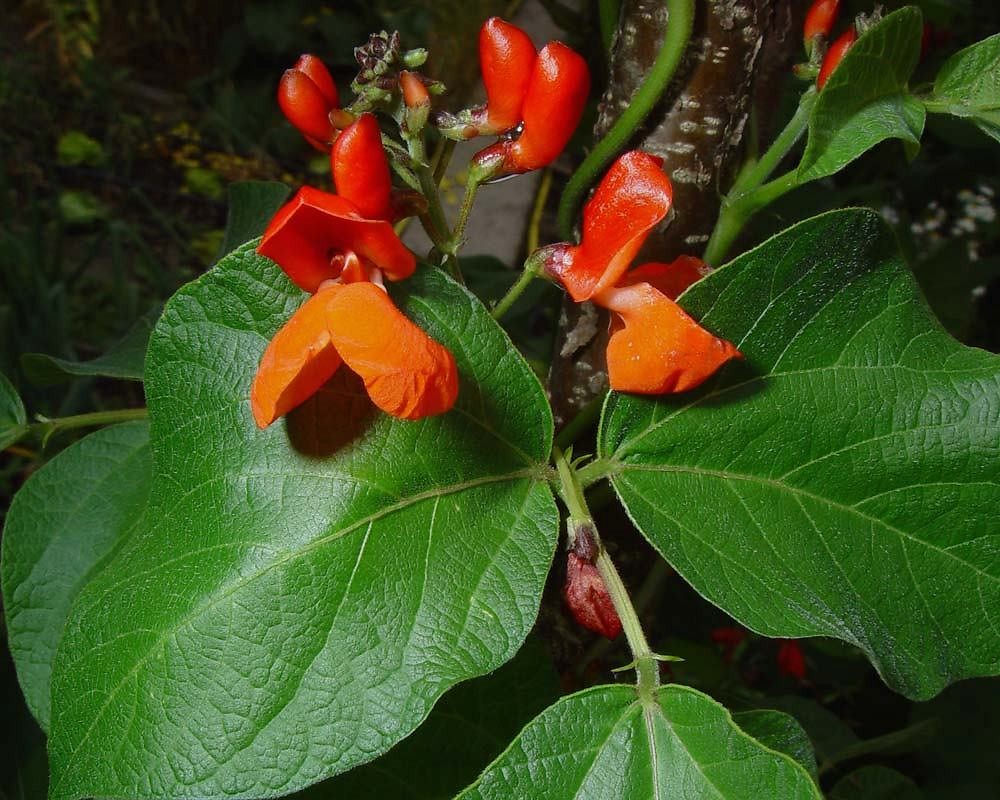
Runner bean
(Phaseolus coccineus)
Also Known As
Runner bean, Scarlet runner bean, Red runner bean
About This Plant
Phaseolus coccineus, commonly known as runner bean, is a herbaceous perennial plant species in the Fabaceae family. It is native to Central America and Mexico and is widely cultivated for its edible bean pods.
Plant Care Instructions
Outdoor Size Range
Height: 6-10 feet (1.8-3 meters), Spread: 1-2 feet (30-61 cm)
Light Requirements
Runner beans require full sun exposure for at least 6-8 hours daily.
Humidity Needs
Runner beans prefer moderate to high humidity levels, ideally around 50-70%. Use a humidifier or mist the leaves regularly to maintain humidity levels.
Fertilizing Schedule
Fertilize the plant with a balanced fertilizer every 2-3 weeks during the growing season. Use a fertilizer with higher phosphorus content to promote flowering and fruiting.
Pruning Guidelines
Prune the plant regularly to remove dead or damaged leaves, stems, and flowers. This will promote healthy growth and prevent the spread of pests and diseases.
Common Pests and Diseases
Common pests that affect runner beans include aphids, spider mites, and whiteflies. Diseases that affect the plant include bacterial blight and anthracnose.
Indoor Size Range
Not suitable for indoor cultivation
Watering Schedule
Water the plant regularly, keeping the soil moist but not waterlogged. Reduce watering during periods of heavy rainfall or high humidity.
Temperature Range
Runner beans grow best in temperatures between 60-75°F (15-24°C). They can tolerate some frost but are sensitive to extreme heat.
Growing Season
Runner beans are warm-season plants that grow best in the summer months. They can be planted in the spring after the last frost and harvested in the late summer or early fall.
Growing Difficulty Level
Runner beans are relatively easy to grow, but they require a trellis or support structure to climb. They also require regular maintenance and care to prevent pests and diseases.
USDA Hardiness Zones
Runner beans are typically grown as annuals and are hardy in USDA zones 3-11.
Did You Know?
Runner beans are sometimes referred to as 'scarlet runners' due to their bright red flowers.
