Special Web Offer - Get 50% OFF!
Grab Your Deal Now
PlantSnap
Plant Care
Kusukusu
(Phaleria glabra)
Also Known As
Kusukusu, Queensland arrowroot, Black apple, Nonda plum
About This Plant
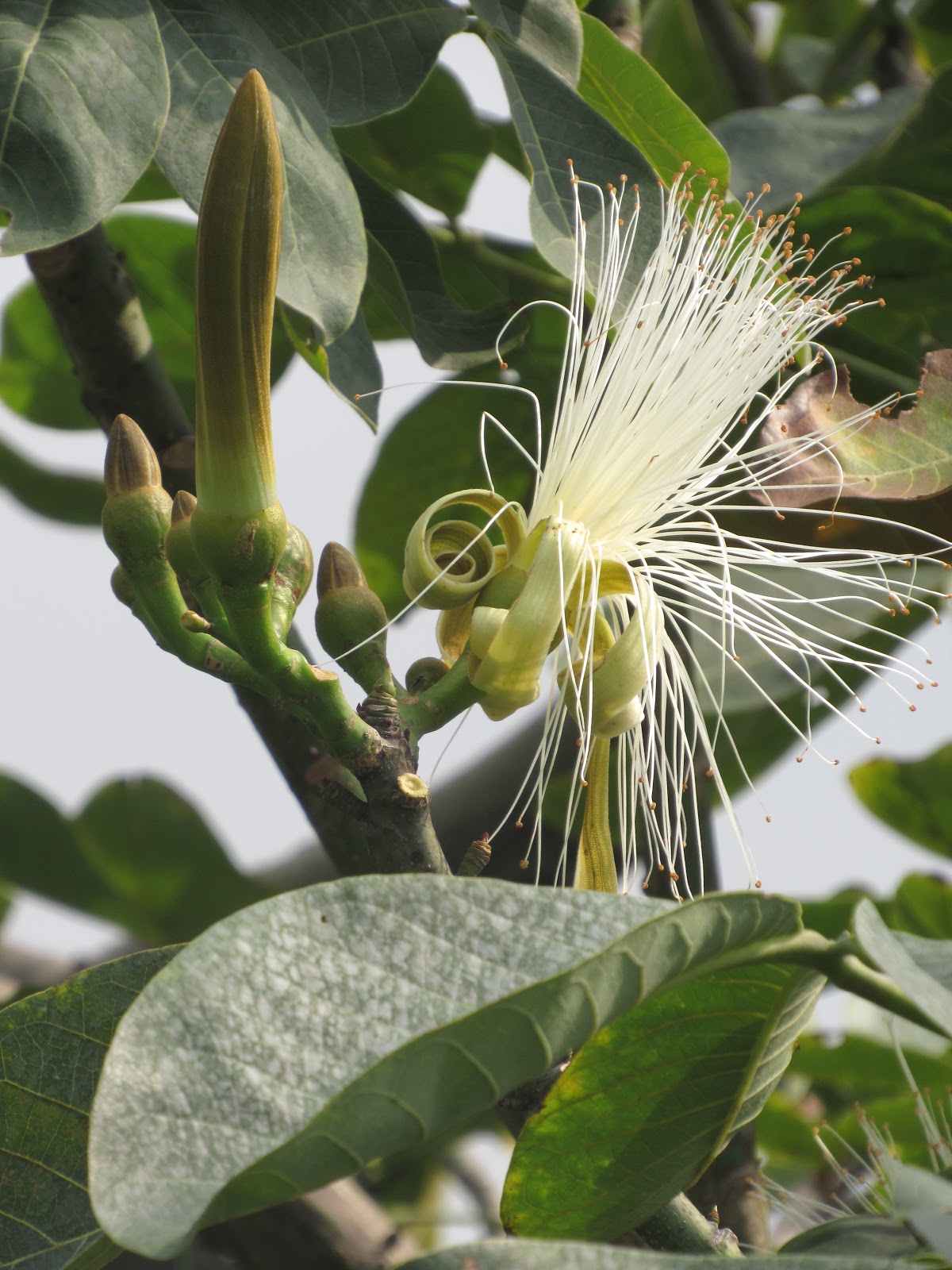
Phaleria glabra is a flowering plant species native to Southeast Asia. It is a small to medium-sized tree that can grow up to 10 meters tall. The plant produces clusters of small, white flowers that have a sweet fragrance. The fruit of the plant is a small, green berry that turns red when ripe. The plant is known for its medicinal properties and is used in traditional medicine to treat a variety of ailments.
Plant Care Instructions
Outdoor Size Range
6-10 meters (20-33 feet)
Light Requirements
Phaleria glabra prefers full sun to partial shade. It can tolerate some shade but will not flower as well.
Humidity Needs
The plant prefers moderate to high humidity levels. It can tolerate lower humidity levels but may require more frequent watering.
Fertilizing Schedule
The plant benefits from regular fertilization with a balanced fertilizer during the growing season. Reduce fertilizer in the winter months.
Pruning Guidelines
Prune the plant in the late winter or early spring to maintain its shape and remove any dead or damaged branches.
Common Pests and Diseases
Phaleria glabra is relatively pest and disease-free. However, it may be susceptible to scale insects and spider mites.
Indoor Size Range
Not suitable for indoor growth
Watering Schedule
The plant prefers consistently moist soil but can tolerate some dryness between waterings. Do not overwater as this can cause root rot.
Temperature Range
Phaleria glabra prefers warm temperatures between 20-30°C (68-86°F). It can tolerate cooler temperatures but will not grow as well.
Growing Season
Spring and summer
Growing Difficulty Level
Moderately difficult
USDA Hardiness Zones
Phaleria glabra is not cold hardy and is best suited for USDA hardiness zones 10-12.
Did You Know?
In traditional Indonesian medicine, Phaleria glabra is used to treat a variety of ailments, including diabetes, hypertension, and cancer.
