Special Web Offer - Get 50% OFF!
Grab Your Deal Now
PlantSnap
Plant Care
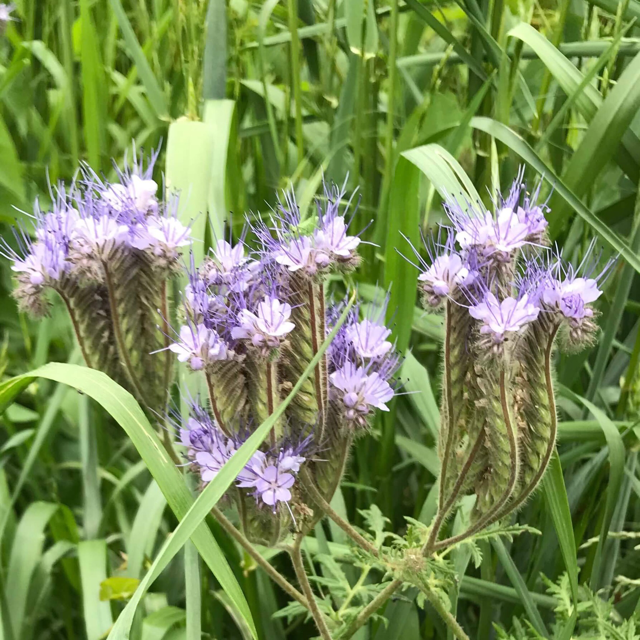
Lacy phacelia
(Phacelia tanacetifolia)
Also Known As
Lacy phacelia, Tansy phacelia, Scorpionweed, Lenok, California bluebell
About This Plant
Phacelia tanacetifolia is an annual plant species that belongs to the Boraginaceae family. It is commonly known as Lacy Phacelia or Blue Tansy. The plant species is native to western North America.
Plant Care Instructions
Outdoor Size Range
Height: 1-3 ft (30-91 cm), Width: 1-2 ft (30-61 cm)
Light Requirements
The plant species requires full sun to partial shade. It prefers bright light but can tolerate some shade.
Humidity Needs
The plant species prefers low to moderate humidity levels.
Fertilizing Schedule
The plant species does not require heavy fertilization. A light dose of balanced fertilizer once a month during the growing season is sufficient.
Pruning Guidelines
The plant species does not require heavy pruning. Deadheading spent blooms will encourage new growth and prolong the blooming period.
Common Pests and Diseases
The plant species is not susceptible to many pests or diseases. However, aphids and spider mites can occasionally infest the plant.
Indoor Size Range
Not suitable for indoor growth
Watering Schedule
The plant species requires moderate watering. It prefers moist but well-drained soil.
Temperature Range
The plant species prefers warm temperatures between 60-75°F (15-24°C). It can tolerate cool temperatures but not frost.
Growing Season
The plant species can be grown in the spring or fall. It prefers cool temperatures and will not tolerate hot summers.
Growing Difficulty Level
Phacelia tanacetifolia is an easy plant species to grow. It is tolerant of a wide range of growing conditions and requires minimal maintenance.
USDA Hardiness Zones
Phacelia tanacetifolia is hardy in USDA zones 3-10.
Did You Know?
The plant species is often used as a cover crop in agriculture to improve soil quality and prevent erosion.
