Special Web Offer - Get 50% OFF!
Grab Your Deal Now
PlantSnap
Plant Care
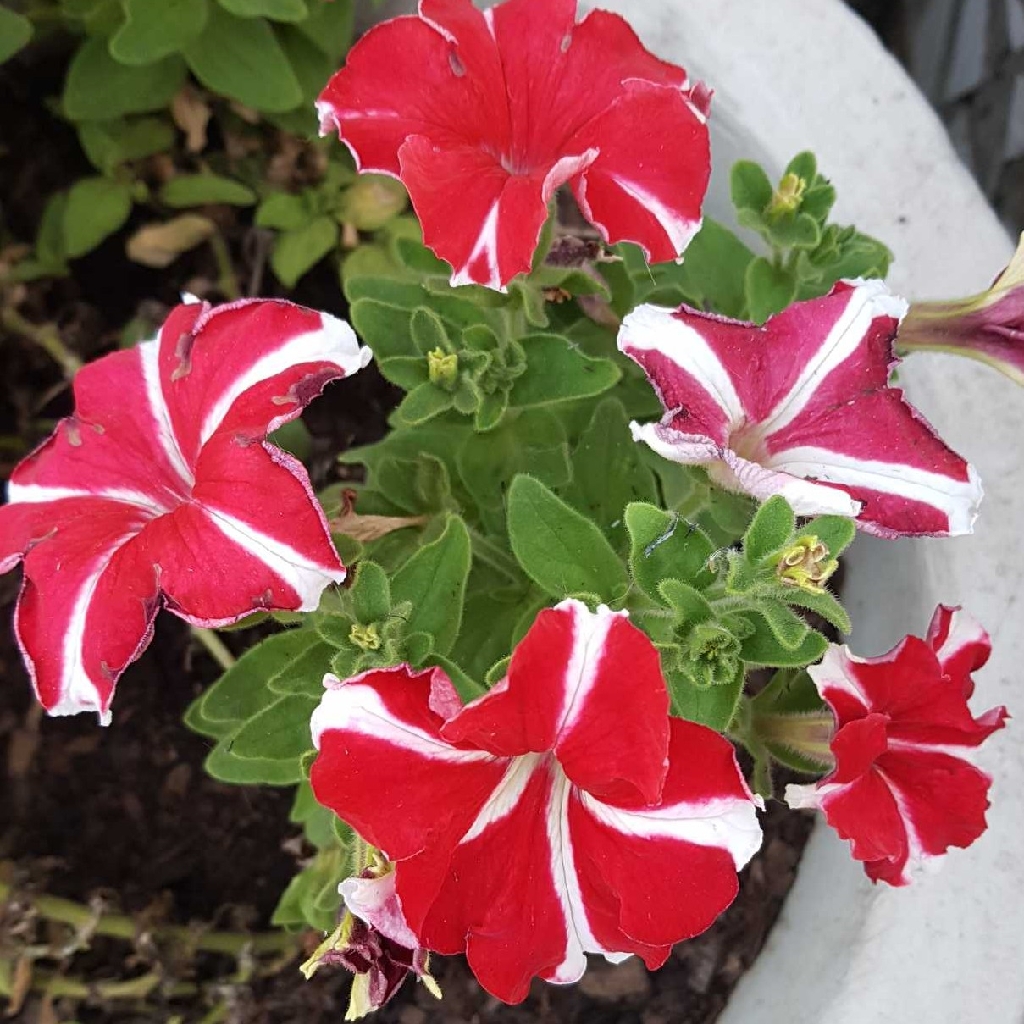
Grandiflora petunia
(Petunia grandiflora)
Also Known As
Grandiflora petunia, Petunia, Large flowered petunia
About This Plant
Petunia grandiflora is a flowering plant species that belongs to the Solanaceae family. It is an annual plant that can grow up to 12 inches (30 cm) in height and 24 inches (61 cm) in width. The plant produces trumpet-shaped flowers that come in a range of colors including white, pink, purple, and red.
Plant Care Instructions
Outdoor Size Range
6-24 inches (15-61 cm)
Light Requirements
Petunias require full sun to partial shade. They need at least 6 hours of direct sunlight per day to bloom properly.
Humidity Needs
Petunias prefer moderate humidity levels. High humidity can lead to fungal diseases, while low humidity can cause the plant to dry out.
Fertilizing Schedule
Petunias require regular fertilization to promote healthy growth and blooming. A balanced fertilizer with equal amounts of nitrogen, phosphorus, and potassium is recommended.
Pruning Guidelines
Petunias benefit from regular deadheading to promote continuous blooming. They can also be trimmed back to promote bushier growth.
Common Pests and Diseases
Common pests that can affect petunias include aphids, spider mites, and whiteflies. Diseases such as powdery mildew and botrytis can also be a problem.
Indoor Size Range
8-12 inches (20-30 cm)
Watering Schedule
Petunias require regular watering, especially during hot and dry weather. The soil should be kept moist but not waterlogged.
Temperature Range
Petunias prefer moderate temperatures between 60-75°F (15-24°C). They can tolerate some heat, but extreme heat can cause the flowers to wilt.
Growing Season
Petunias are typically planted in the spring after the last frost and will continue to bloom throughout the summer and into the fall.
Growing Difficulty Level
Petunias are relatively easy to grow and care for, making them a popular choice for gardeners of all skill levels.
USDA Hardiness Zones
Petunias are hardy in USDA zones 10-11, but can be grown as annuals in cooler climates.
Did You Know?
Petunias are named after the French word 'petun', which means 'tobacco'. This is because they are closely related to the tobacco plant.
