Special Web Offer - Get 50% OFF!
Grab Your Deal Now
PlantSnap
Plant Care
Pixie mops
(Petrophile shuttleworthiana)
Also Known As
Pixie mops, Shuttleworth's petrophile, Shuttleworth's conebush
About This Plant
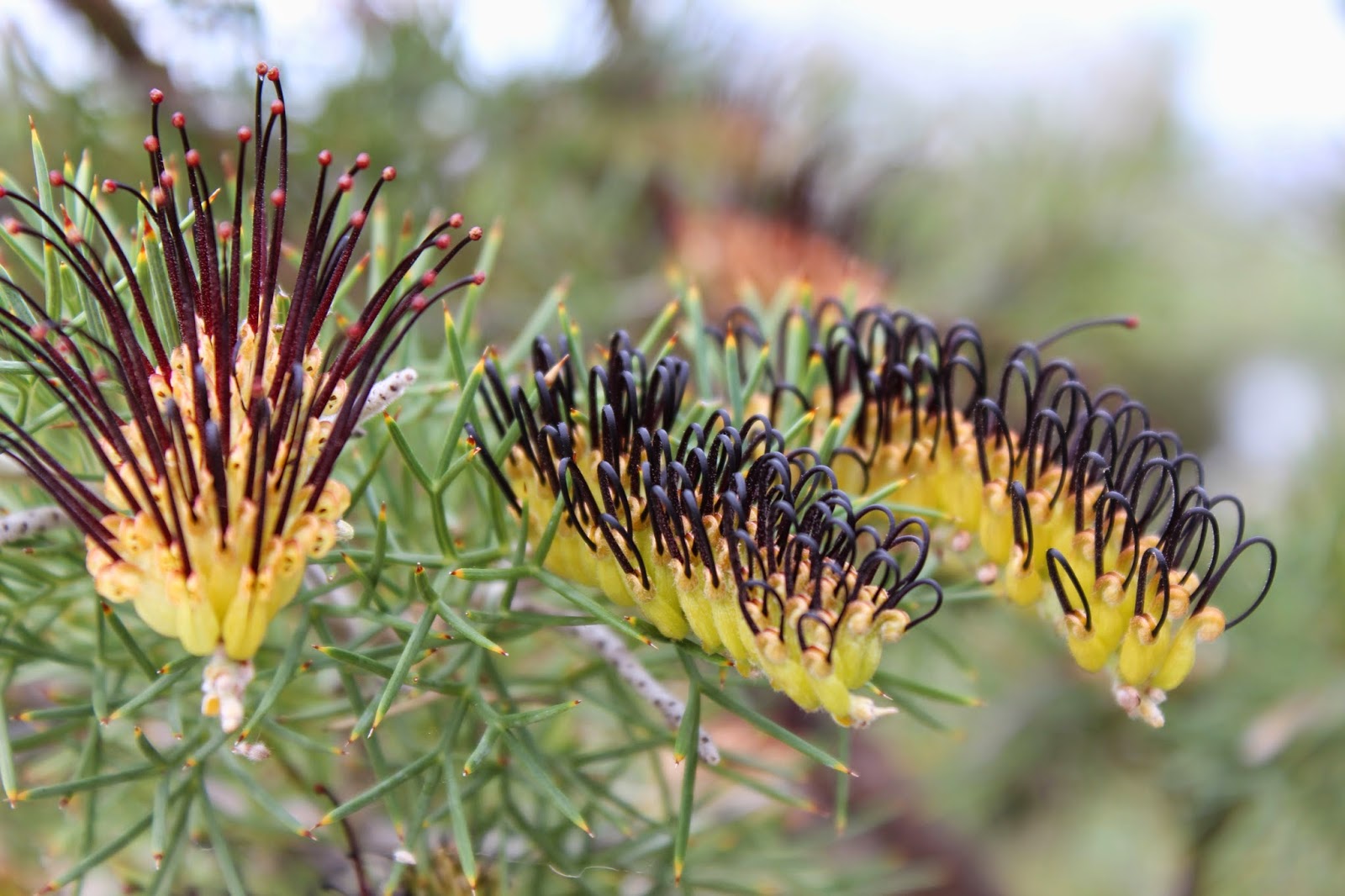
Petrophile shuttleworthiana is a species of flowering plant in the family Proteaceae. It is an erect, bushy shrub that can grow up to 3 meters (9.8 feet) tall. The leaves are narrow and pointed, and the flowers are pinkish-red and cylindrical in shape.
Plant Care Instructions
Outdoor Size Range
Up to 3 meters (9.8 feet) tall and 2 meters (6.5 feet) wide
Light Requirements
Petrophile shuttleworthiana requires full sun to grow and thrive. It can tolerate some shade, but flowering may be reduced.
Humidity Needs
Petrophile shuttleworthiana prefers low to moderate humidity levels.
Fertilizing Schedule
Petrophile shuttleworthiana benefits from regular fertilization during the growing season. Use a slow-release, low-phosphorus fertilizer.
Pruning Guidelines
Prune this plant species after flowering to maintain its shape and promote new growth.
Common Pests and Diseases
Common pests for Petrophile shuttleworthiana include spider mites, scale insects, and mealybugs. It may also be susceptible to root rot if overwatered.
Indoor Size Range
Not suitable for indoor cultivation
Watering Schedule
This plant species requires regular watering during the growing season. It prefers well-draining soil and can tolerate some drought once established.
Temperature Range
This plant species can tolerate a wide range of temperatures, from 5°C (41°F) to 40°C (104°F).
Growing Season
The growing season for Petrophile shuttleworthiana is from spring to fall.
Growing Difficulty Level
Petrophile shuttleworthiana is a moderately difficult plant to grow. It requires specific growing conditions and may be susceptible to pests and diseases.
USDA Hardiness Zones
Petrophile shuttleworthiana is hardy in USDA zones 9-11.
Did You Know?
Petrophile shuttleworthiana is native to Western Australia and is commonly found in heathlands and shrublands.