Special Web Offer - Get 50% OFF!
Grab Your Deal Now
PlantSnap
Plant Care
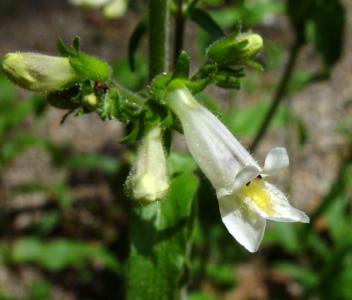
Pale beardtongue
(Penstemon pallidus)
Also Known As
Pale beardtongue, Pale penstemon, Yellow beardtongue
About This Plant
Penstemon pallidus is a perennial plant that belongs to the family Plantaginaceae. It is native to North America and can grow up to 1-3 feet (30-91 cm) tall. The plant has narrow, grey-green leaves and produces spikes of pale pink to lavender flowers in the summer.
Plant Care Instructions
Outdoor Size Range
1-3 feet (30-91 cm)
Light Requirements
Pale penstemon requires full sun to partial shade. It can tolerate some shade but will not flower as profusely.
Humidity Needs
Pale penstemon prefers average humidity levels.
Fertilizing Schedule
The plant does not require much fertilizer. A light application of balanced fertilizer in the spring can help promote healthy growth.
Pruning Guidelines
The plant benefits from deadheading, which encourages continued blooming. It can be pruned back in the fall after the flowers have faded.
Common Pests and Diseases
The plant is generally resistant to pests and diseases, but it can be susceptible to rust and powdery mildew in humid conditions.
Indoor Size Range
Not suitable for indoor growth
Watering Schedule
The plant needs regular watering, especially during the hot summer months. It prefers moist but well-drained soil.
Temperature Range
The plant is hardy in USDA zones 4 to 8 and can tolerate cold temperatures down to -30°F (-34°C). It prefers cooler temperatures and can suffer in hot, humid conditions.
Growing Season
Pale penstemon blooms in the summer, from June to August.
Growing Difficulty Level
Pale penstemon is relatively easy to grow, making it a great choice for beginner gardeners.
USDA Hardiness Zones
USDA hardiness zones 4 to 8
Did You Know?
The name 'Penstemon' comes from the Greek words 'penta' meaning five and 'stemon' meaning stamen, referring to the five stamens found in each flower of the plant.
