Special Web Offer - Get 50% OFF!
Grab Your Deal Now
PlantSnap
Plant Care
Passionflower
(Passiflora subgen)
Also Known As
Passionflower, Passion vine, Maypop
About This Plant
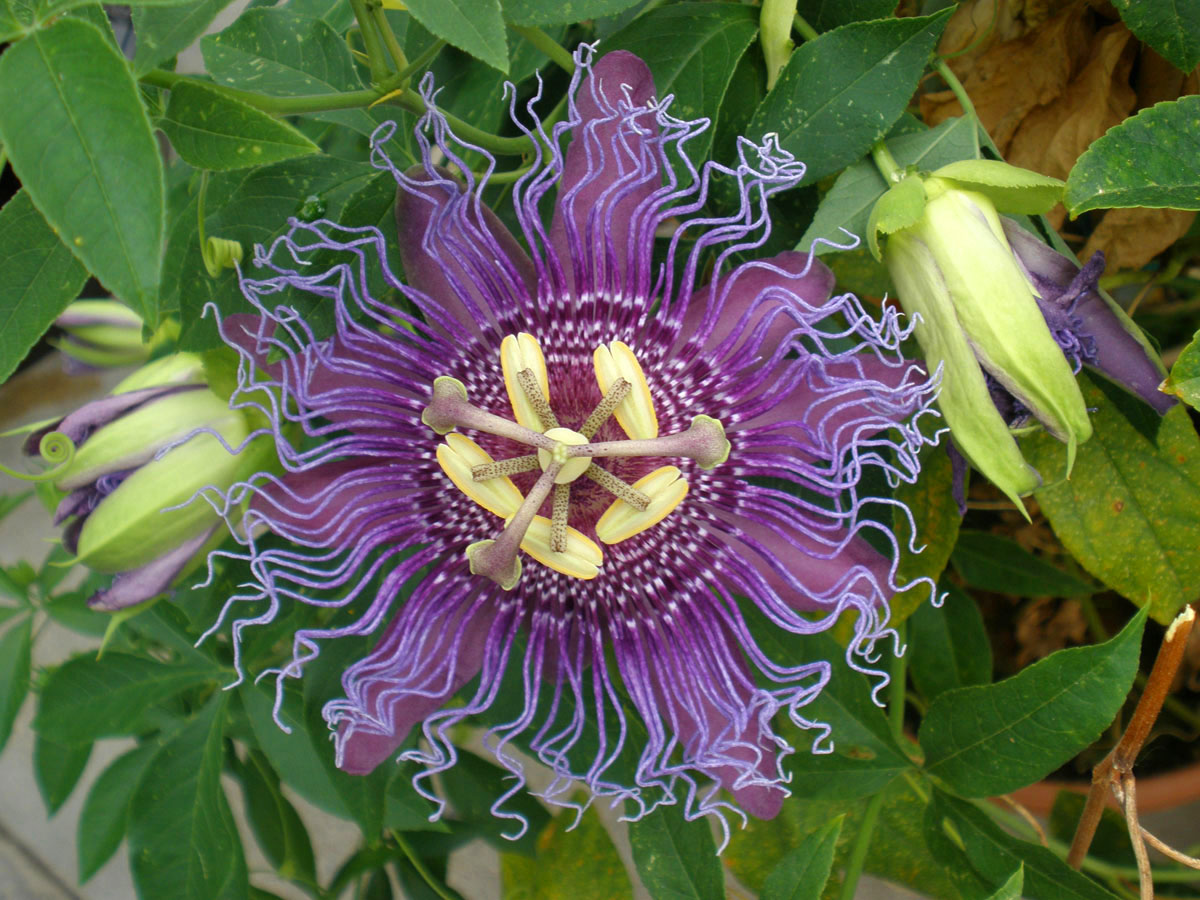
Passiflora subgen is a genus of flowering plants that are known for their showy, intricate flowers and edible fruit. They are commonly referred to as passionflowers or passion vines.
Plant Care Instructions
Outdoor Size Range
10-20 feet (3-6 m)
Light Requirements
Passionflowers require full sun to partial shade. Indoors, they should be placed in a bright, sunny window.
Humidity Needs
Passionflowers prefer moderate to high humidity. They benefit from regular misting, especially indoors.
Fertilizing Schedule
Passionflowers benefit from regular fertilization during the growing season (spring and summer). Use a balanced, water-soluble fertilizer every 2-3 weeks.
Pruning Guidelines
Passionflowers require regular pruning to control their growth and promote bushiness. Prune them in the early spring before new growth begins.
Common Pests and Diseases
Common pests for passionflowers include spider mites, whiteflies, and scale insects. They are also susceptible to fungal diseases such as powdery mildew and rust.
Indoor Size Range
24-36 inches (61-91 cm)
Watering Schedule
Passionflowers prefer consistently moist soil. Water them regularly, but do not let the soil become waterlogged.
Temperature Range
Passionflowers prefer warm temperatures between 65-80°F (18-27°C). They can tolerate temperatures as low as 50°F (10°C) but may drop their leaves if exposed to prolonged cold temperatures.
Growing Season
The growing season for passionflowers is typically spring and summer.
Growing Difficulty Level
Passionflowers can be moderately difficult to grow due to their specific light, temperature, and humidity requirements. However, with proper care and attention, they can thrive both indoors and outdoors.
USDA Hardiness Zones
Passionflowers are hardy in USDA zones 6-10.
Did You Know?
The name 'passionflower' comes from the passion of Christ. The unique structure of the flower was said to represent the crown of thorns, the five wounds, and the ten apostles present at the crucifixion.
