Special Web Offer - Get 50% OFF!
Grab Your Deal Now
PlantSnap
Plant Care
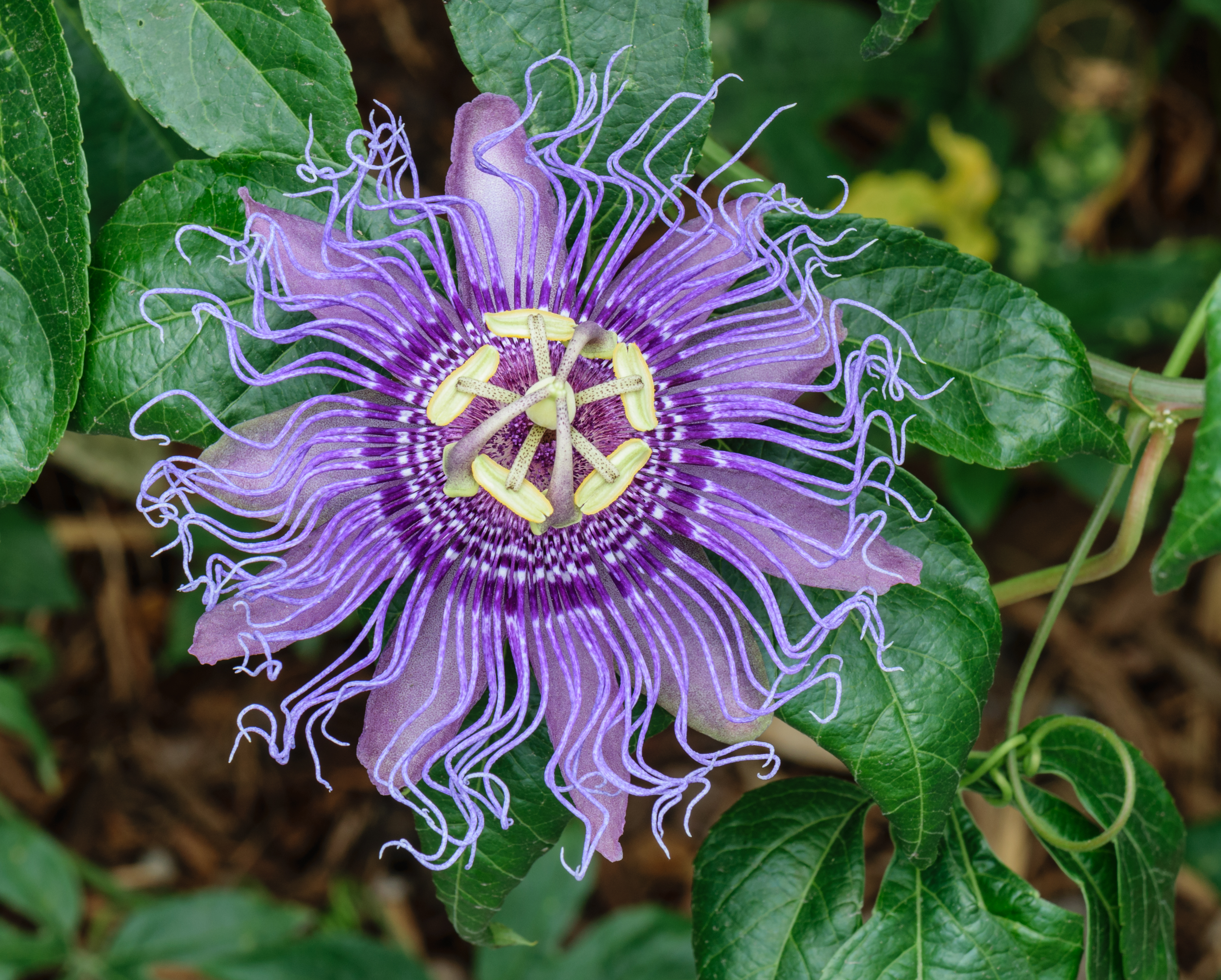
Maypop
(Passiflora incarnata)
Also Known As
Maypop, Purple passionflower, Passionfruit
About This Plant
Passiflora incarnata, commonly known as Maypop, is a fast-growing perennial vine that produces showy flowers and edible fruit. The plant is native to the southeastern United States and is a popular ornamental plant in gardens and landscapes.
Plant Care Instructions
Outdoor Size Range
10-20 feet (3-6 meters)
Light Requirements
Maypop plants require full sun to partial shade. They can tolerate some shade, but flowering may be reduced.
Humidity Needs
Maypop plants prefer moderate to high humidity levels. They can tolerate lower humidity, but may be more susceptible to pests and diseases.
Fertilizing Schedule
Maypop plants benefit from regular fertilization with a balanced fertilizer. Apply every 4-6 weeks during the growing season.
Pruning Guidelines
Maypop plants can be pruned in late winter or early spring to control size and shape. Prune back to strong buds or lateral branches.
Common Pests and Diseases
Common pests and diseases for Maypop plants include spider mites, scale insects, and fungal diseases like powdery mildew.
Indoor Size Range
6-12 feet (1.8-3.7 meters)
Watering Schedule
Maypop plants prefer consistently moist soil. Water regularly, especially during dry periods.
Temperature Range
Maypop plants are hardy in USDA zones 6-9 and can tolerate temperatures down to -10°F (-23°C). They prefer warm temperatures between 70-85°F (21-29°C).
Growing Season
The growing season for Maypop plants is from spring to fall. They typically bloom from June to September and produce fruit from July to October.
Growing Difficulty Level
Maypop plants are relatively easy to grow and require minimal maintenance. They can be grown as a perennial in USDA zones 6-9.
USDA Hardiness Zones
USDA hardiness zones 6-9
Did You Know?
Maypop plants are called 'Maypops' because the fruits make a popping sound when stepped on or squeezed.
