Special Web Offer - Get 50% OFF!
Grab Your Deal Now
PlantSnap
Plant Care
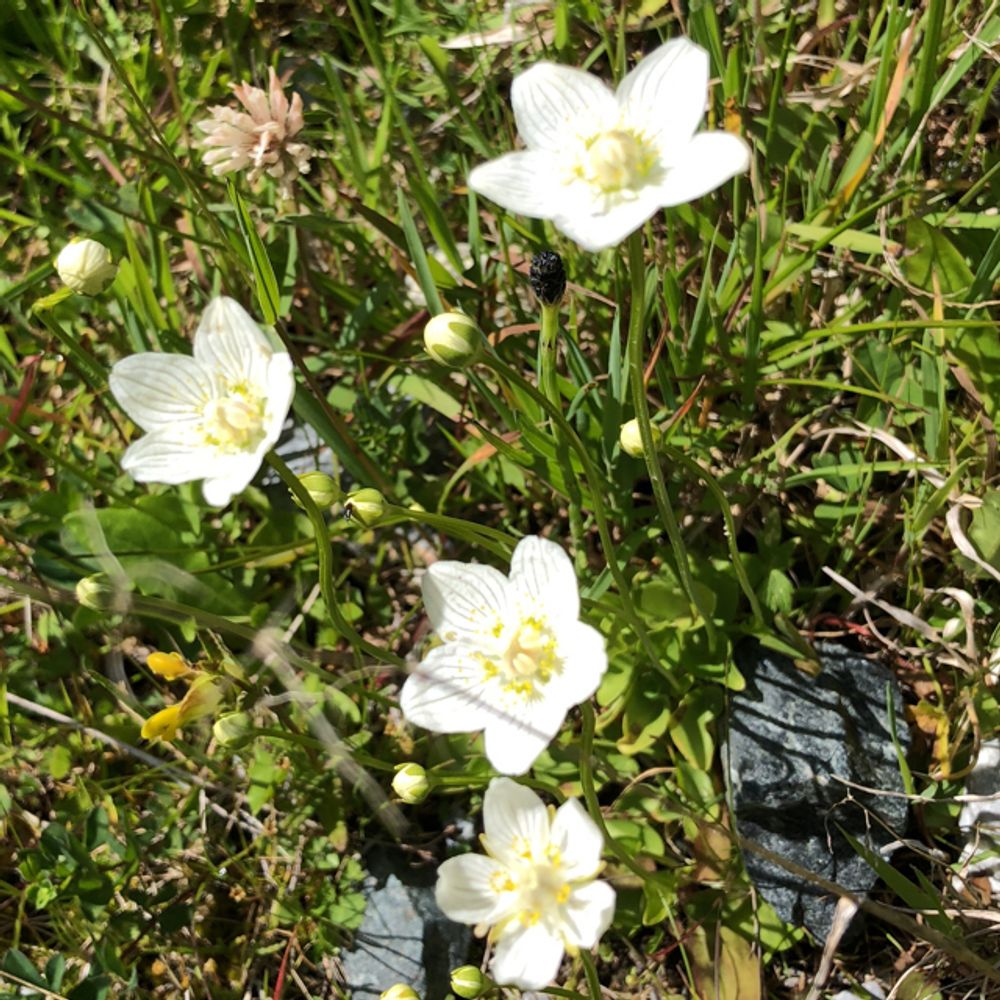
Marsh grass of parnassus
(Parnassia palustris)
Also Known As
Marsh grass of parnassus, Grass of parnassus, Marsh parnassia, Snowy parnassia
About This Plant
Parnassia palustris is a herbaceous perennial plant species that belongs to the Saxifragaceae family. It is commonly known as Marsh grass-of-Parnassus. The plant has a basal rosette of leaves with a flowering stem that can grow up to 30 cm (12 inches) tall. The leaves are dark green and heart-shaped, while the flowers are white with five petals and a yellow center.
Plant Care Instructions
Outdoor Size Range
6-12 inches (15-30 cm)
Light Requirements
Parnassia palustris prefers full sun to partial shade. It can tolerate shade but may produce fewer flowers.
Humidity Needs
Parnassia palustris prefers high humidity levels, but it can tolerate average humidity levels.
Fertilizing Schedule
The plant does not require frequent fertilization. It can benefit from a balanced fertilizer applied in early spring.
Pruning Guidelines
The plant does not require pruning, but deadheading spent flowers can encourage more blooms.
Common Pests and Diseases
Parnassia palustris is not known to have any major pest or disease problems.
Indoor Size Range
Not suitable for indoor cultivation
Watering Schedule
The plant requires consistent moisture, but it should not be overwatered. It is best to water the plant when the top inch of soil is dry.
Temperature Range
The plant can tolerate a wide range of temperatures, but it prefers cool to moderate temperatures. It can survive in temperatures as low as -40°F (-40°C).
Growing Season
Parnassia palustris blooms from July to September.
Growing Difficulty Level
Parnassia palustris is moderately difficult to grow. It requires consistent moisture and high humidity levels, which can be challenging to maintain.
USDA Hardiness Zones
Parnassia palustris is hardy in USDA zones 3-7.
Did You Know?
The genus name Parnassia refers to Mount Parnassus in Greece, where the plant was first discovered.
