Special Web Offer - Get 50% OFF!
Grab Your Deal Now
PlantSnap
Plant Care
Opium poppy
(Papaver somniferum)
Also Known As
Opium poppy, Breadseed poppy, Papaver, Purple poppy
About This Plant
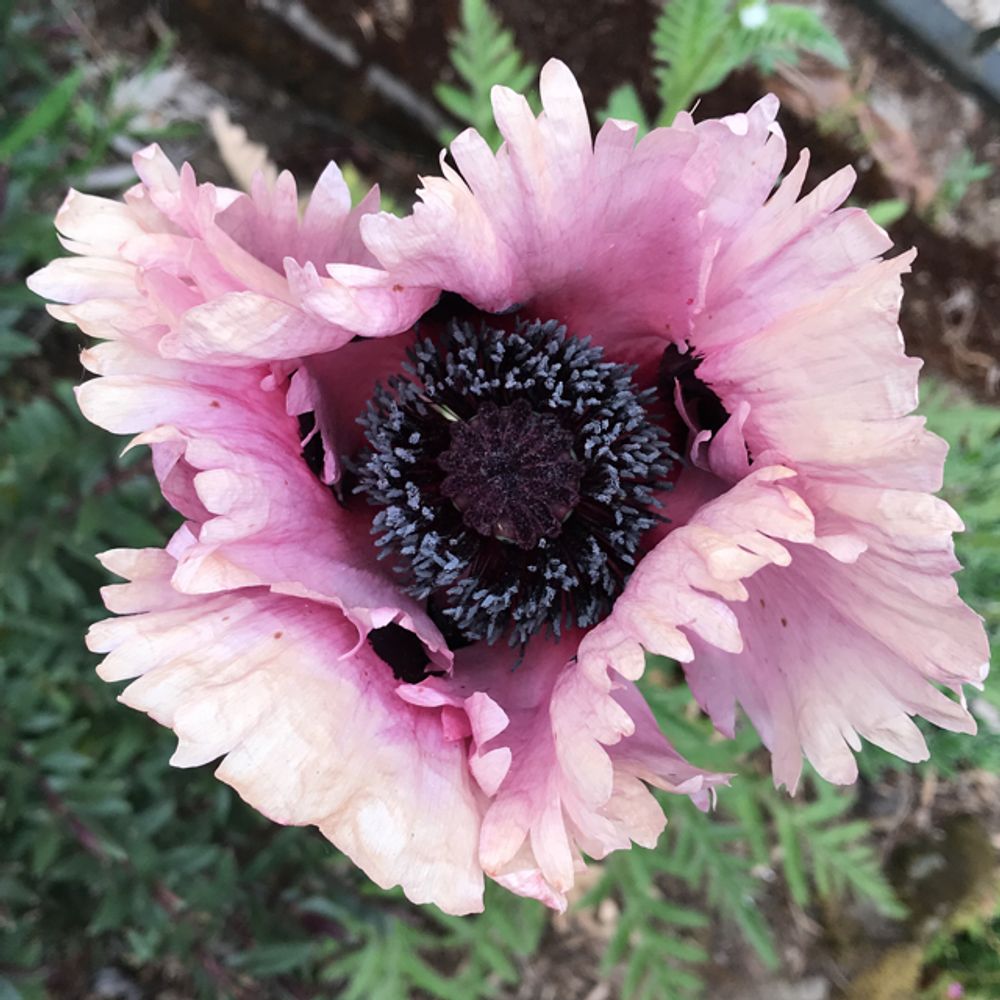
Papaver somniferum is an annual flowering plant species that is cultivated for its opium poppy seeds, which are used for baking and oil production. It has showy, cup-shaped flowers that are typically pink, purple, or red in color.
Plant Care Instructions
Outdoor Size Range
24-36 inches (60-90 cm)
Light Requirements
Opium poppies require full sun to partial shade, with at least 6 hours of direct sunlight per day.
Humidity Needs
Opium poppies do not have specific humidity requirements, but they prefer moderate to low humidity levels.
Fertilizing Schedule
Opium poppies do not require fertilizer, but a light application of balanced fertilizer in early spring can help promote healthy growth.
Pruning Guidelines
Opium poppies do not require pruning, but deadheading spent flowers can help prolong blooming.
Common Pests and Diseases
Common pests and diseases for opium poppies include aphids, slugs, snails, and powdery mildew.
Indoor Size Range
12-24 inches (30-60 cm)
Watering Schedule
Opium poppies prefer well-drained soil that is kept consistently moist. Water deeply once a week or more frequently during hot, dry weather.
Temperature Range
Opium poppies thrive in cool to mild temperatures, between 50-75°F (10-24°C). They do not tolerate extreme heat or frost.
Growing Season
Opium poppies are typically grown as annuals and can be sown in early spring or fall. They bloom in late spring to early summer.
Growing Difficulty Level
Opium poppies are relatively easy to grow, but they require well-drained soil and consistent moisture.
USDA Hardiness Zones
Opium poppies are hardy in USDA zones 6-10.
Did You Know?
Opium poppies have been cultivated for thousands of years for their medicinal properties, but they are also used in the production of poppy seeds, which are a popular ingredient in baked goods.
