Special Web Offer - Get 50% OFF!
Grab Your Deal Now
PlantSnap
Plant Care
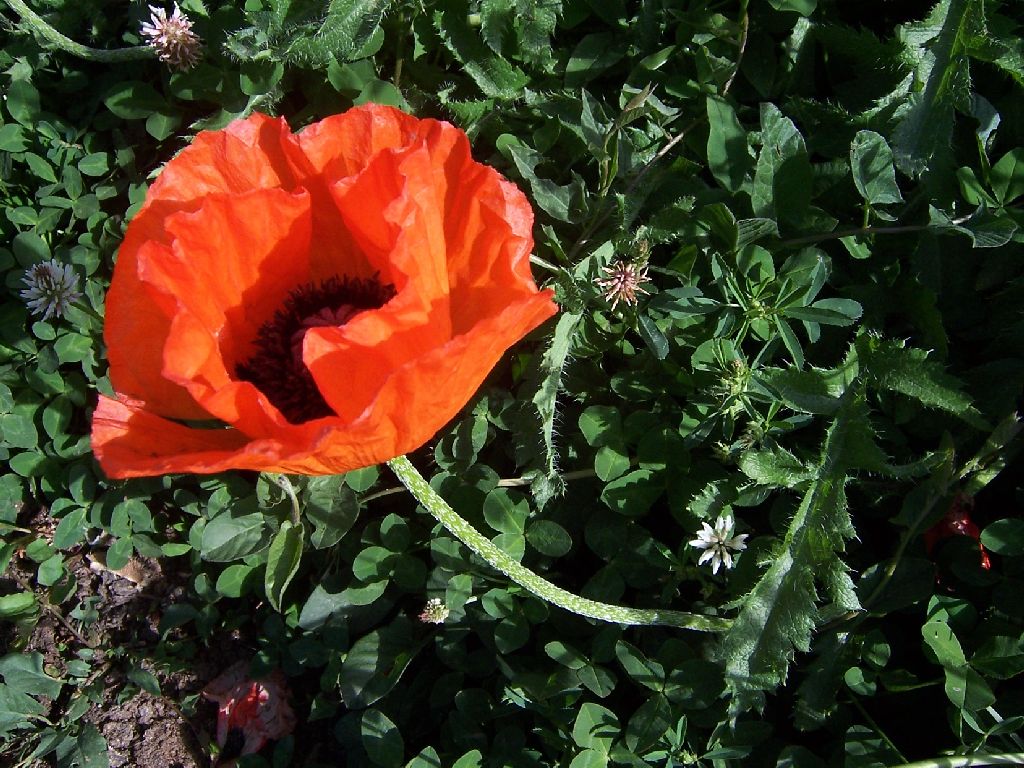
Oriental poppy
(Papaver setiferum)
Also Known As
Oriental poppy, Setose poppy, Hairy poppy
About This Plant
Papaver setiferum is a species of poppy known for its delicate, papery flowers that come in shades of pink, white, and purple. The flowers bloom in late spring and early summer and are often used in cut flower arrangements.
Plant Care Instructions
Outdoor Size Range
18-24 inches (45-60 cm)
Light Requirements
Papaver setiferum prefers full sun, but can tolerate partial shade.
Humidity Needs
Papaver setiferum prefers moderate humidity levels.
Fertilizing Schedule
Fertilize once a month during the growing season with a balanced, water-soluble fertilizer.
Pruning Guidelines
Remove spent flowers to encourage more blooms. Cut back the foliage to the ground in the fall after it has died back.
Common Pests and Diseases
Papaver setiferum is relatively pest-free, but can be susceptible to aphids and spider mites.
Indoor Size Range
12-18 inches (30-45 cm)
Watering Schedule
Water regularly, making sure the soil is moist but not waterlogged. Allow the soil to dry out slightly between waterings.
Temperature Range
This plant prefers cool to moderate temperatures, ideally between 60-75°F (15-24°C).
Growing Season
Late spring to early summer.
Growing Difficulty Level
Papaver setiferum is moderately easy to grow.
USDA Hardiness Zones
USDA hardiness zones 3-8.
Did You Know?
Papaver setiferum is sometimes called the 'bristly poppy' due to the hairy stems and leaves of the plant.
