Special Web Offer - Get 50% OFF!
Grab Your Deal Now
PlantSnap
Plant Care
Common poppy
(Papaver rhoeas)
Also Known As
Common poppy, Field poppy, Corn poppy, Red poppy
About This Plant
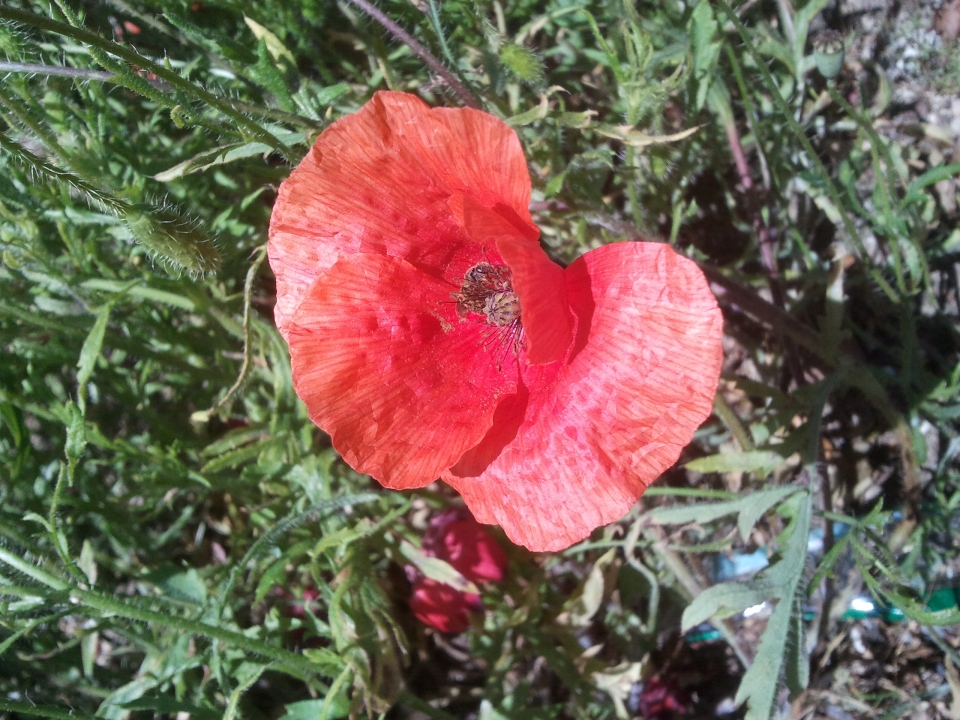
Papaver rhoeas, commonly known as the Corn Poppy or Field Poppy, is an annual herbaceous plant species belonging to the Papaveraceae family. It is native to Europe and Asia, but has naturalized in many other parts of the world. The plant has a slender stem with feathery leaves and large, showy bright red flowers with black spots at the base.
Plant Care Instructions
Outdoor Size Range
Height: 12-30 inches (30-75 cm), Spread: 6-12 inches (15-30 cm)
Light Requirements
Papaver rhoeas prefers full sun exposure and requires at least 6 hours of direct sunlight per day.
Humidity Needs
Papaver rhoeas prefers low humidity levels and can tolerate dry air.
Fertilizing Schedule
The plant does not require fertilizer, but a light feeding of a balanced fertilizer can be applied once a month during the growing season.
Pruning Guidelines
Deadheading the spent flowers can encourage more blooms. The plant does not require heavy pruning.
Common Pests and Diseases
Papaver rhoeas is generally not affected by pests or diseases, but can be susceptible to aphids and spider mites.
Indoor Size Range
Not suitable for indoor cultivation
Watering Schedule
The plant is drought tolerant and does not require frequent watering. It is important to allow the soil to dry out between waterings.
Temperature Range
The plant can tolerate a wide range of temperatures, from as low as 32°F (0°C) to as high as 95°F (35°C).
Growing Season
The growing season for Papaver rhoeas is from late spring to early summer.
Growing Difficulty Level
Papaver rhoeas is a relatively easy plant to grow, making it a good choice for beginner gardeners.
USDA Hardiness Zones
USDA hardiness zones 3-9
Did You Know?
The Corn Poppy is the national flower of Belgium, and is also a symbol of remembrance for soldiers who died during World War I due to the poem 'In Flanders Fields' by Lieutenant Colonel John McCrae.