Special Web Offer - Get 50% OFF!
Grab Your Deal Now
PlantSnap
Plant Care
Atlas poppy
(Papaver atlanticum)
Also Known As
Atlas poppy, Atlantic poppy, Mediterranean poppy
About This Plant
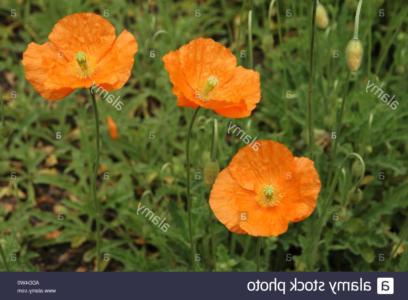
Papaver atlanticum, commonly known as Atlas poppy, is a species of flowering plant in the family Papaveraceae. It is a herbaceous perennial with blue-green leaves and showy, light pink to lavender flowers with dark purple centers. The plant is native to Morocco and the Atlas Mountains.
Plant Care Instructions
Outdoor Size Range
18-24 inches (45-60 cm)
Light Requirements
Atlas poppy requires full sun to partial shade. It is best to plant them in an area that receives at least 6 hours of sunlight per day.
Humidity Needs
Atlas poppy prefers moderate humidity levels, around 40-60%.
Fertilizing Schedule
Fertilize the plant with a balanced fertilizer every 2-3 weeks during the growing season. Avoid fertilizing during the winter months.
Pruning Guidelines
Prune the plant after flowering to encourage bushier growth and more flowers. Cut back the stems to just above the basal leaves.
Common Pests and Diseases
Atlas poppy is generally not affected by pests or diseases, but it may be susceptible to powdery mildew or rust if grown in humid conditions.
Indoor Size Range
12-18 inches (30-45 cm)
Watering Schedule
The plant prefers well-draining soil and needs to be watered regularly. However, it is important not to overwater the plant as it can lead to root rot.
Temperature Range
The plant prefers a temperature range of 60-75°F (15-24°C). It can tolerate colder temperatures but may not survive in areas with extreme heat.
Growing Season
The plant blooms from late spring to early summer.
Growing Difficulty Level
Atlas poppy is relatively easy to grow and care for, making it a great choice for beginner gardeners.
USDA Hardiness Zones
Atlas poppy is hardy in USDA zones 4-9.
Did You Know?
The seeds of Atlas poppy are edible and are used in traditional Moroccan cuisine to make a spice called 'tabloula'.
