Special Web Offer - Get 50% OFF!
Grab Your Deal Now
PlantSnap
Plant Care
Screw pine
(Pandanus polycephalus)
Also Known As
Screw pine, Multiple-headed pandanus
About This Plant
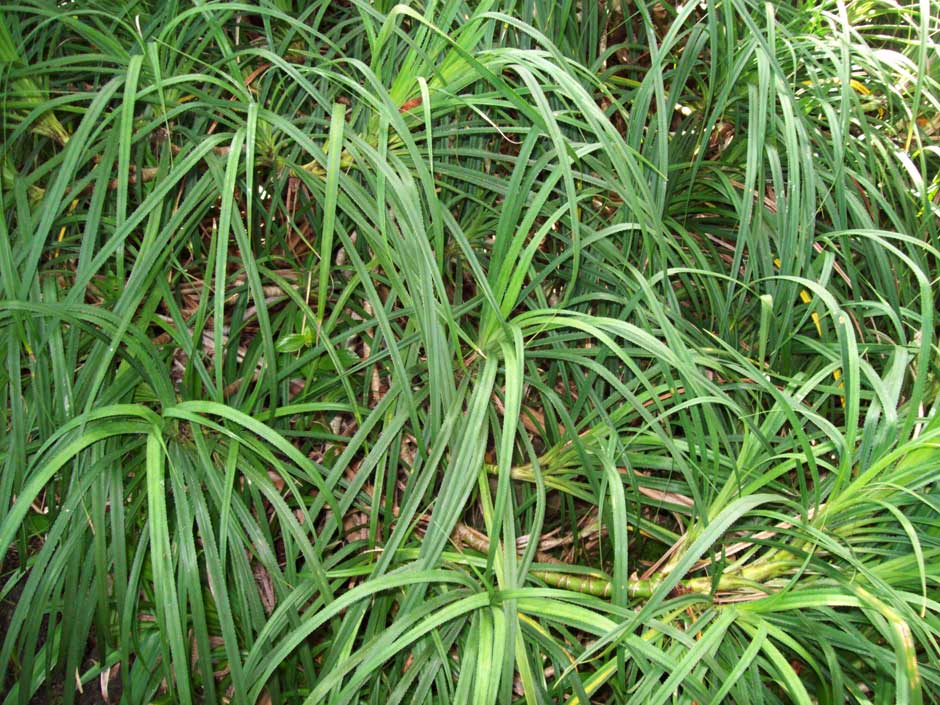
Pandanus polycephalus is a tropical plant species native to Papua New Guinea and the Solomon Islands. It is a small tree or shrub that can grow up to 10 meters (33 feet) tall with a trunk that can reach up to 30 centimeters (12 inches) in diameter. The leaves are long and narrow, with sharp edges that can cause injury if not handled properly. The plant produces fruit that is edible and used in traditional medicine.
Plant Care Instructions
Outdoor Size Range
Height: 5-10 meters (16-33 feet) | Width: 3-5 meters (10-16 feet)
Light Requirements
Pandanus polycephalus prefers full sun to partial shade. It can tolerate some shade, but too much shade can cause the plant to grow slowly and produce fewer fruit.
Humidity Needs
Pandanus polycephalus prefers high humidity levels, around 60-70%. It can tolerate lower humidity levels, but it may require more frequent watering to compensate.
Fertilizing Schedule
Pandanus polycephalus requires regular fertilization to grow and produce fruit. Use a balanced fertilizer with equal amounts of nitrogen, phosphorus, and potassium. Apply the fertilizer every 2-3 months during the growing season.
Pruning Guidelines
Pruning is not necessary for Pandanus polycephalus, but it can help to shape the plant and promote new growth. Prune the plant in the spring or summer after the fruit has been harvested. Remove any dead or damaged branches and trim back any branches that are growing too long.
Common Pests and Diseases
Common pests for Pandanus polycephalus include mealybugs, scale insects, and spider mites. Diseases that can affect the plant include leaf spot and root rot.
Indoor Size Range
Not suitable for indoor growing
Watering Schedule
The plant requires regular watering to keep the soil moist, but not waterlogged. It can tolerate occasional periods of drought, but prolonged drought can cause the plant to wilt and die.
Temperature Range
The plant prefers warm temperatures between 20-30°C (68-86°F). It can tolerate temperatures as low as 10°C (50°F) and as high as 40°C (104°F), but extreme temperatures can cause damage to the plant.
Growing Season
The growing season for Pandanus polycephalus is year-round in tropical climates. In cooler climates, it may only grow during the summer months.
Growing Difficulty Level
Pandanus polycephalus is considered moderately difficult to grow. It requires specific growing conditions and regular maintenance to thrive.
USDA Hardiness Zones
Pandanus polycephalus is not suitable for growing in USDA hardiness zones as it requires tropical or subtropical climates.
Did You Know?
The fruit of Pandanus polycephalus is used in traditional medicine to treat a variety of ailments, including headaches, fever, and stomach problems.
