Special Web Offer - Get 50% OFF!
Grab Your Deal Now
PlantSnap
Plant Care
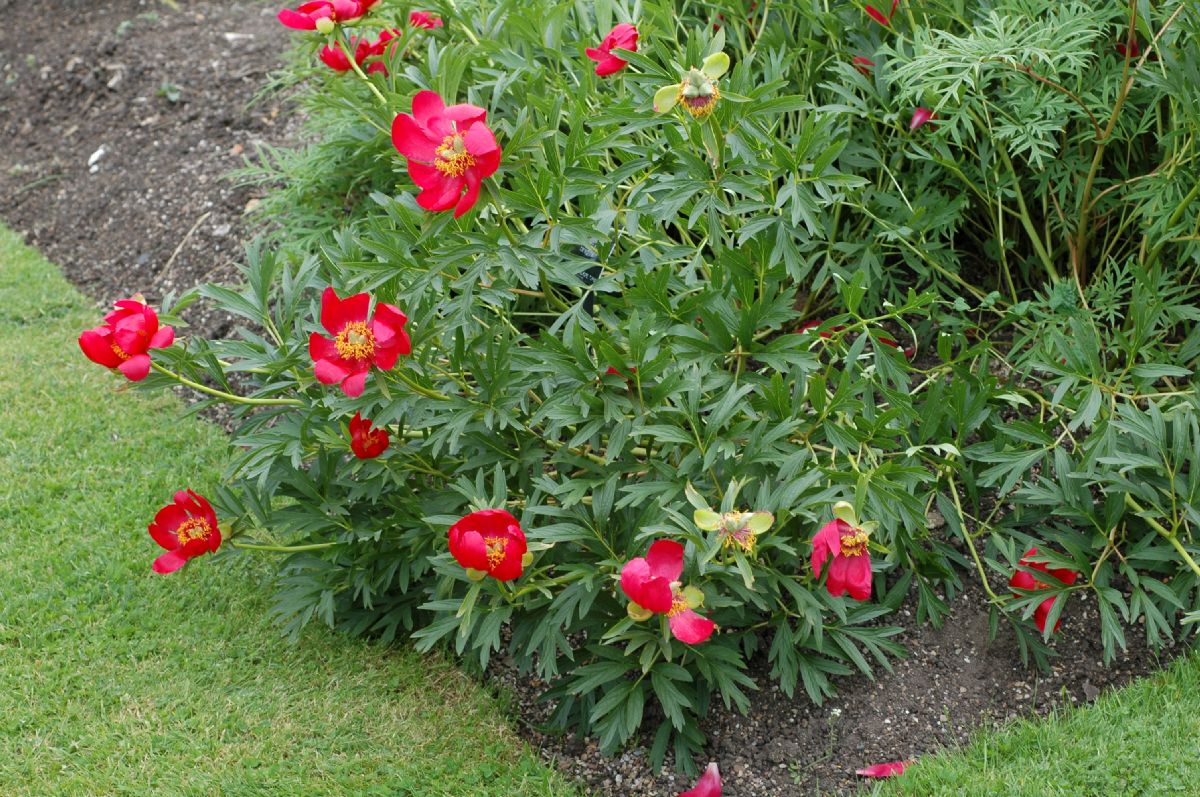
Balkan peony
(Paeonia peregrina)
Also Known As
Balkan peony, Wild peony, European peony, Red peony
About This Plant
Paeonia peregrina is a species of herbaceous perennial flowering plant in the family Paeoniaceae. It is native to southeastern Europe and western Asia. The plant produces large, fragrant, deep red flowers with yellow stamens in late spring to early summer.
Plant Care Instructions
Outdoor Size Range
24-36 inches (60-91 cm) tall, 24-36 inches (60-91 cm) wide
Light Requirements
Peregrine peonies require full sun to partial shade. In hot climates, they benefit from afternoon shade.
Humidity Needs
Peregrine peonies prefer moderate humidity levels.
Fertilizing Schedule
Fertilize in early spring with a balanced fertilizer. Avoid over-fertilizing as it can lead to weak stems and poor flowering.
Pruning Guidelines
Prune after the blooming season to remove spent flowers and improve air circulation. Cut back to the first or second leaf below the flower.
Common Pests and Diseases
Peregrine peonies are generally pest-free, but can be affected by botrytis blight, leaf blotch, and stem rot.
Indoor Size Range
N/A
Watering Schedule
Water regularly, keeping the soil moist but not waterlogged. Reduce watering after the blooming season.
Temperature Range
They can tolerate a wide range of temperatures, from -30°F (-34°C) to 100°F (38°C).
Growing Season
Late spring to early summer
Growing Difficulty Level
Peregrine peonies are moderately difficult to grow. They require well-draining soil, regular watering, and protection from strong winds.
USDA Hardiness Zones
3-8
Did You Know?
In Greek mythology, the peony is named after Paeon, the physician of the gods. It was believed that the plant's roots could relieve pain and heal wounds.
