Special Web Offer - Get 50% OFF!
Grab Your Deal Now
PlantSnap
Plant Care
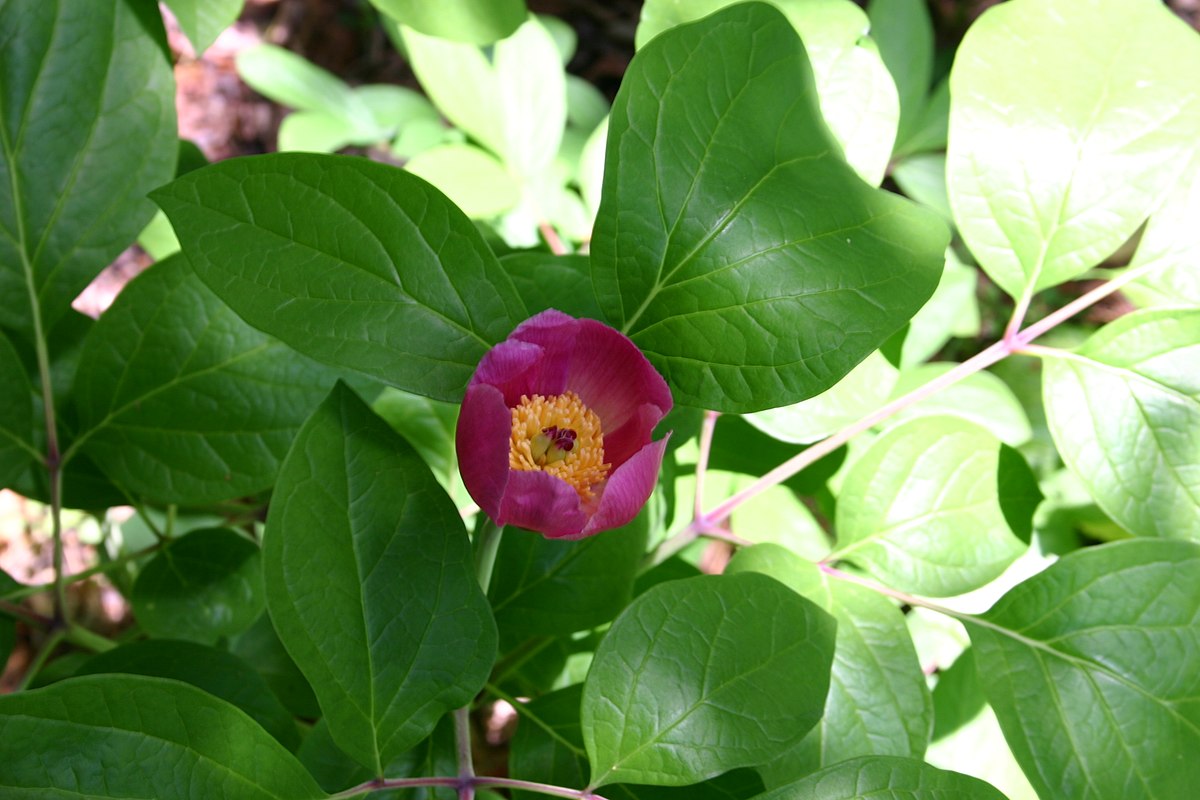
Japanese peony
(Paeonia obovata)
Also Known As
Japanese peony, Wild peony, Obovate peony
About This Plant
Paeonia obovata is a herbaceous perennial plant species that belongs to the Paeoniaceae family. It is a clump-forming plant that grows up to 18-24 inches (45-60 cm) tall and 12-18 inches (30-45 cm) wide. The plant has dark green leaves and produces large, showy, bowl-shaped flowers that are usually pink or purple in color with a yellow center. The flowers bloom in late spring to early summer.
Plant Care Instructions
Outdoor Size Range
18-24 inches (45-60 cm) tall and 12-18 inches (30-45 cm) wide
Light Requirements
Obovate Peonies prefer full sun to partial shade. They require at least 6 hours of direct sunlight to bloom properly.
Humidity Needs
Obovate Peonies prefer moderate humidity levels. They can tolerate low humidity but may require frequent watering to compensate.
Fertilizing Schedule
Apply a balanced fertilizer to the plant in early spring before new growth appears. Repeat the application every 4-6 weeks until mid-summer.
Pruning Guidelines
Prune the plant in late fall after the foliage has died back. Cut back the stems to ground level. This will help the plant to produce new growth in the following spring.
Common Pests and Diseases
Obovate Peonies are relatively pest and disease-free. However, they may be susceptible to botrytis blight, which can cause the flowers to turn brown and mushy. To prevent this, avoid overhead watering and provide good air circulation around the plant.
Indoor Size Range
N/A
Watering Schedule
The plant prefers evenly moist soil. Water the plant deeply once a week, and more frequently during hot and dry weather conditions.
Temperature Range
The plant can tolerate a wide range of temperatures, but prefers cool to moderate temperatures. It can survive in USDA hardiness zones 3 to 8.
Growing Season
The growing season for Obovate Peonies is from late spring to early summer when the plant produces its large, showy flowers.
Growing Difficulty Level
Obovate Peonies are relatively easy to grow. They require minimal maintenance and can tolerate a wide range of growing conditions.
USDA Hardiness Zones
USDA hardiness zones 3 to 8
Did You Know?
In traditional Chinese medicine, Paeonia obovata is used to treat a variety of ailments, including menstrual cramps and liver disease.