Special Web Offer - Get 50% OFF!
Grab Your Deal Now
PlantSnap
Plant Care
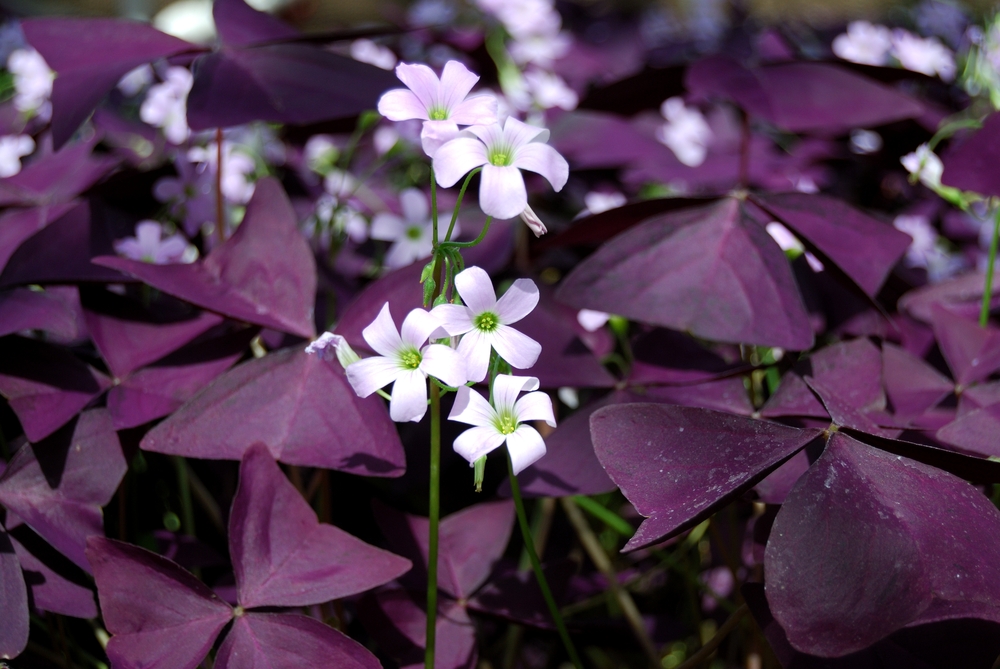
Purple shamrock
(Oxalis triangularis papilionacea)
Also Known As
Purple shamrock, False shamrock, Love plant, Good luck plant
About This Plant
Oxalis triangularis papilionacea is a perennial plant species that belongs to the Oxalidaceae family. It is commonly known as the butterfly oxalis due to its unique butterfly-shaped leaves. The plant is native to Brazil and is known for its vibrant pink flowers that bloom in the spring and summer.
Plant Care Instructions
Outdoor Size Range
6-8 inches (15-20 cm) height, 6-8 inches (15-20 cm) width
Light Requirements
The butterfly oxalis requires bright, indirect light. Direct sunlight can scorch the leaves, so it is best to place the plant near a window that receives filtered sunlight.
Humidity Needs
The butterfly oxalis prefers moderate to high humidity levels. It can benefit from occasional misting or placing a tray of water near the plant to increase humidity.
Fertilizing Schedule
The butterfly oxalis benefits from regular fertilization during the growing season. Use a balanced fertilizer every 2-3 weeks, following the instructions on the package.
Pruning Guidelines
The plant does not require much pruning, but it can be trimmed to control its size and shape. Remove any dead or yellowing leaves to encourage new growth.
Common Pests and Diseases
Common pests for the butterfly oxalis include spider mites and mealybugs. It can also be susceptible to fungal diseases if overwatered or placed in a humid environment.
Indoor Size Range
6-8 inches (15-20 cm) height, 6-8 inches (15-20 cm) width
Watering Schedule
The plant prefers consistently moist soil, but it should not be watered excessively. Allow the top inch of soil to dry out before watering again. Overwatering can lead to root rot.
Temperature Range
The plant prefers temperatures between 60-75°F (15-24°C). It can tolerate slightly cooler temperatures but should be kept away from drafts or sudden temperature changes.
Growing Season
The butterfly oxalis grows best during the spring and summer months when temperatures are warmer and days are longer. It can be grown year-round indoors.
Growing Difficulty Level
The butterfly oxalis is relatively easy to grow, making it a popular choice for indoor gardens. However, it can be sensitive to overwatering and direct sunlight, so care should be taken to provide the right growing conditions.
USDA Hardiness Zones
The plant is not frost-tolerant and is best grown in USDA hardiness zones 9-11.
Did You Know?
The butterfly oxalis is known for its unique ability to fold its leaves at night, resembling a butterfly closing its wings. This behavior is known as nyctinasty and is thought to be a protective mechanism against predators.