Special Web Offer - Get 50% OFF!
Grab Your Deal Now
PlantSnap
Plant Care
None known in common usage
(Oxalis pardalis)
Also Known As
None known in common usage, Golden-sorrel, Spotted oxalis, Dotted wood sorrel
About This Plant
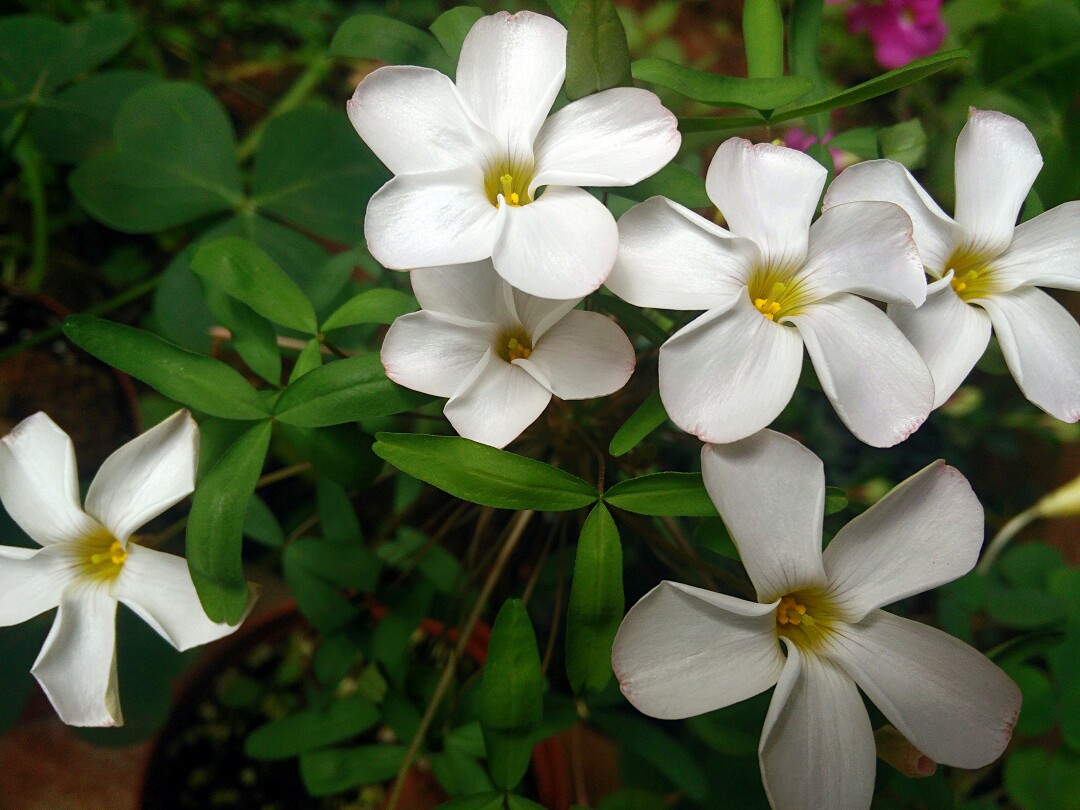
Oxalis pardalis is a small, herbaceous plant with clover-like leaves that are green with purple markings. The flowers are pink or white with yellow centers and bloom in the spring and summer.
Plant Care Instructions
Outdoor Size Range
6-12 inches (15-30 cm)
Light Requirements
Leopard plants prefer bright, indirect light. They can tolerate some direct sun, but too much can scorch the leaves.
Humidity Needs
Leopard plants prefer moderate to high humidity. They can benefit from being misted regularly.
Fertilizing Schedule
Fertilize leopard plants every 2-3 weeks during the growing season with a balanced, water-soluble fertilizer. Do not fertilize during the winter months.
Pruning Guidelines
Prune leopard plants as needed to maintain their shape and size. They can also benefit from occasional pinching back to encourage bushier growth.
Common Pests and Diseases
Leopard plants are relatively pest-free, but can be susceptible to spider mites and mealybugs.
Indoor Size Range
6-8 inches (15-20 cm)
Watering Schedule
Water leopard plants when the top inch of soil feels dry to the touch. They prefer to be kept evenly moist, but not waterlogged.
Temperature Range
Leopard plants prefer temperatures between 60-75°F (16-24°C). They can tolerate slightly cooler temperatures, but not below 50°F (10°C).
Growing Season
Leopard plants grow best in the spring and summer, but can be grown year-round indoors.
Growing Difficulty Level
Leopard plants are easy to grow and care for, making them a great choice for beginners.
USDA Hardiness Zones
Leopard plants are not hardy and cannot tolerate frost. They are best grown as houseplants or in containers outdoors and brought inside during the winter months.
Did You Know?
Leopard plants are also known as 'false shamrocks' because their leaves resemble those of the true shamrock plant (Trifolium).
