Special Web Offer - Get 50% OFF!
Grab Your Deal Now
PlantSnap
Plant Care
Barber's cape daisy
(Osteospermum Barberiae )
Also Known As
Barber's cape daisy, African daisy, Trailing african daisy, Cape daisy
About This Plant
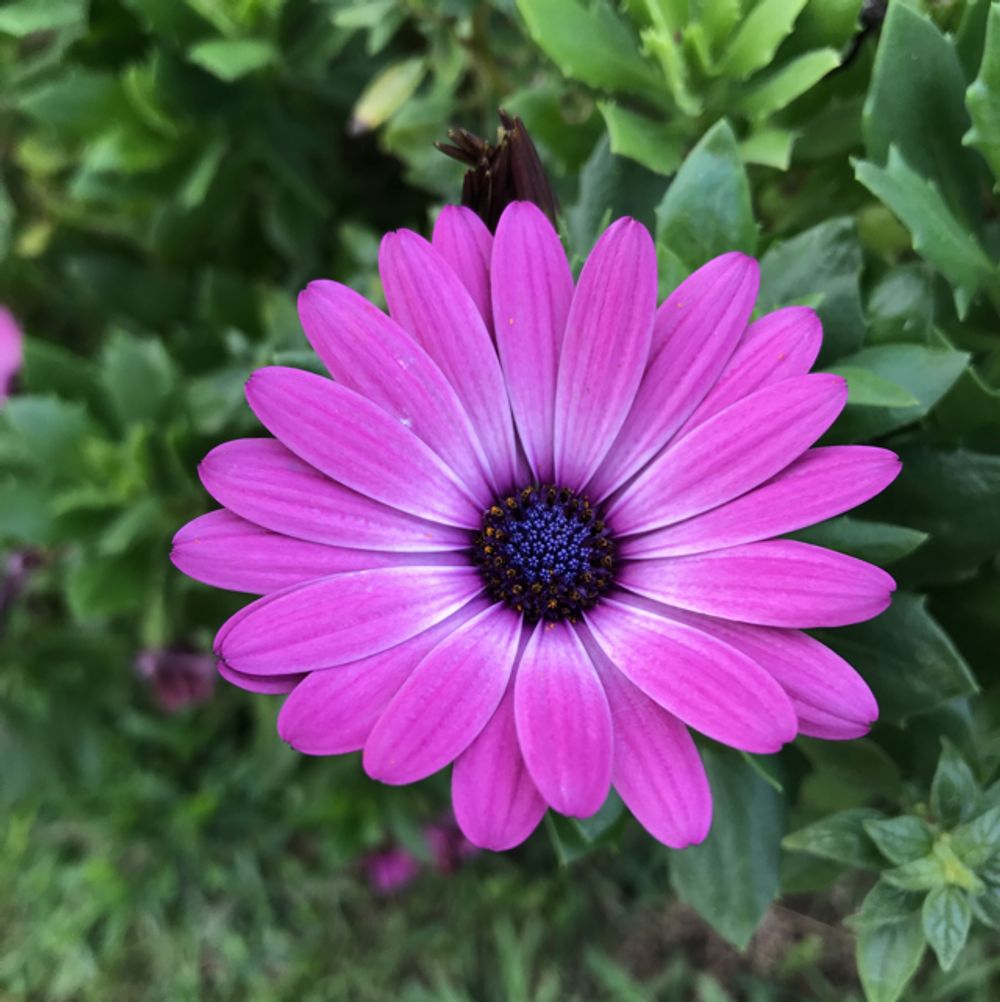
Osteospermum Barberiae is a species of flowering plant in the family Asteraceae. It is a perennial herbaceous plant that is native to South Africa. The plant produces daisy-like flowers that come in a range of colors including white, pink, purple, and blue.
Plant Care Instructions
Outdoor Size Range
18-24 inches (45-60 cm)
Light Requirements
Barberton daisies prefer full sun to partial shade. They need at least 6 hours of direct sunlight per day to thrive.
Humidity Needs
Barberton daisies prefer moderate humidity levels, around 50-60%. However, they can tolerate lower humidity levels.
Fertilizing Schedule
Feed Barberton daisies with a balanced, water-soluble fertilizer every 2-3 weeks during the growing season. Do not fertilize during the winter months.
Pruning Guidelines
Pinch back the tips of the plant to encourage bushiness and more blooms. Deadhead spent flowers to promote continued blooming.
Common Pests and Diseases
Common pests that can affect Barberton daisies include aphids, spider mites, and whiteflies. Diseases that can affect the plant include powdery mildew and root rot.
Indoor Size Range
12-18 inches (30-45 cm)
Watering Schedule
Water Barberton daisies deeply once a week, or more often in hot, dry weather. Allow the soil to dry out slightly between waterings, as the plant is susceptible to root rot if the soil is too wet.
Temperature Range
Barberton daisies prefer temperatures between 60-75°F (15-24°C). They can tolerate temperatures as low as 50°F (10°C) and as high as 85°F (29°C).
Growing Season
Barberton daisies bloom from late spring to early fall. They are dormant during the winter months.
Growing Difficulty Level
Barberton daisies are moderately easy to grow. They require regular watering and fertilizing, but are relatively low-maintenance otherwise.
USDA Hardiness Zones
Barberton daisies are hardy in USDA zones 9-11.
Did You Know?
The Barberton Daisy is named after the town of Barberton in South Africa where it was first discovered.
