Special Web Offer - Get 50% OFF!
Grab Your Deal Now
PlantSnap
Plant Care
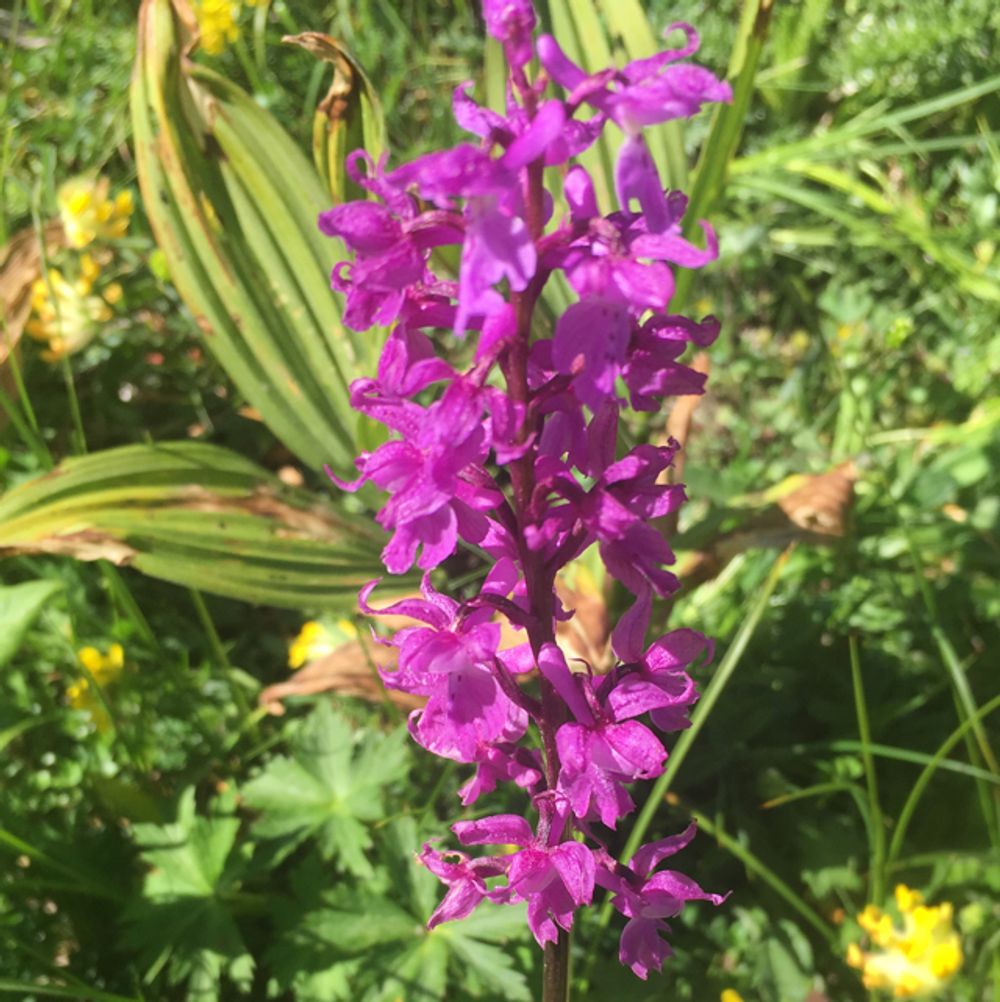
Early purple orchid
(Orchis mascula)
Also Known As
Early purple orchid, Purple orchid, Spring orchid
About This Plant
Orchis mascula is a species of flowering plant in the orchid family. It is a terrestrial herbaceous perennial plant that grows up to 50 cm in height. The plant produces a single, erect stem with several basal leaves and a spike of pink-purple flowers.
Plant Care Instructions
Outdoor Size Range
12-20 inches (30-50 cm)
Light Requirements
Orchis mascula prefers partial shade to full sun exposure. It can tolerate direct sunlight in the morning or evening, but not during the hottest part of the day.
Humidity Needs
Orchis mascula prefers moderate to high humidity levels. You can increase humidity by placing a tray of water near the plant or by misting the leaves with water.
Fertilizing Schedule
Fertilize the plant once a month during the growing season with a balanced fertilizer. Do not fertilize during the dormant season.
Pruning Guidelines
Remove dead leaves and flowers as they appear. Cut back the stem to the ground after the plant has finished flowering.
Common Pests and Diseases
Orchis mascula is relatively pest-free, but it can be susceptible to aphids, slugs, and snails.
Indoor Size Range
N/A
Watering Schedule
Keep the soil moist but not waterlogged. Water the plant regularly during the growing season and reduce watering during the dormant season.
Temperature Range
Orchis mascula prefers cool to moderate temperatures. It can tolerate temperatures as low as 10°C (50°F) and as high as 25°C (77°F).
Growing Season
Orchis mascula grows from March to May in the Northern Hemisphere.
Growing Difficulty Level
Orchis mascula is relatively easy to grow, but it requires specific growing conditions to thrive.
USDA Hardiness Zones
Orchis mascula is hardy in USDA zones 4-9.
Did You Know?
The name 'Orchis' comes from the Greek word 'orkhis', which means testicle. This is because the roots of some orchid species resemble testicles.
