Special Web Offer - Get 50% OFF!
Grab Your Deal Now
PlantSnap
Plant Care
Bunny ear cactus
(Opuntia microdasys rufida)
Also Known As
Bunny ear cactus, Bunny ears cactus, Angel's wings, Polka dot cactus
About This Plant
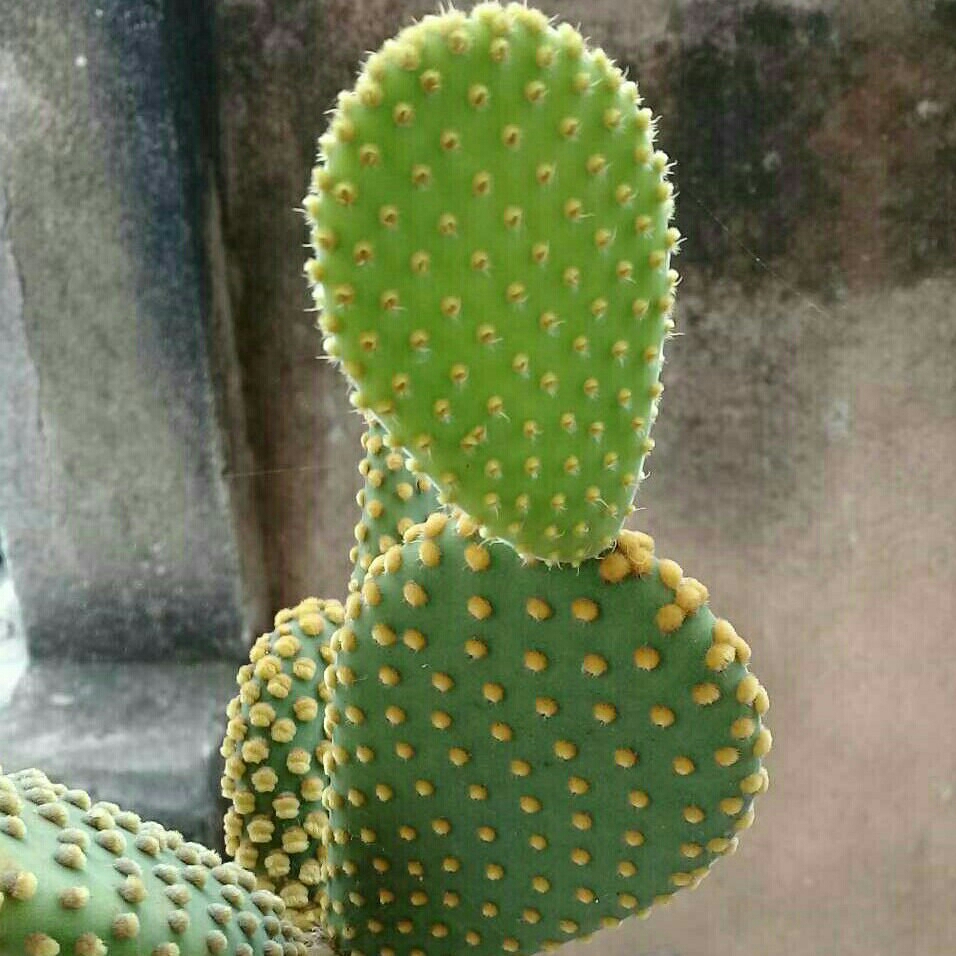
Opuntia microdasys rufida is a species of cactus native to Mexico. It is a small, clumping cactus that can grow up to 1 foot (30 cm) tall and 2 feet (60 cm) wide. The plant has flat, round pads that are covered in small, golden spines and fuzzy, reddish-brown dots. The dots are actually clusters of tiny hairs called glochids, which can irritate the skin upon contact.
Plant Care Instructions
Outdoor Size Range
1-2 feet (30-60 cm)
Light Requirements
Opuntia microdasys rufida requires bright, direct sunlight for at least 6 hours a day. It can tolerate partial shade, but too little light can cause it to become leggy and weak.
Humidity Needs
Opuntia microdasys rufida prefers low humidity environments and can tolerate dry air. It is important to avoid getting water on the fuzzy, reddish-brown dots on the pads, as this can cause them to rot.
Fertilizing Schedule
Opuntia microdasys rufida does not require fertilizer, but can benefit from a balanced, water-soluble fertilizer once a month during the growing season.
Pruning Guidelines
This cactus does not require pruning, but can be trimmed to maintain its shape.
Common Pests and Diseases
Common pests for Opuntia microdasys rufida include mealybugs and spider mites. It is important to inspect the plant regularly and treat any infestations promptly.
Indoor Size Range
6-12 inches (15-30 cm)
Watering Schedule
This cactus prefers well-draining soil and should be watered only when the soil is completely dry. During the growing season (spring and summer), water once a week. In the winter, water sparingly or not at all.
Temperature Range
This cactus prefers warm temperatures between 65-85°F (18-29°C). It can tolerate temperatures as low as 50°F (10°C) and as high as 100°F (38°C), but extreme temperatures should be avoided.
Growing Season
The growing season for Opuntia microdasys rufida is spring and summer.
Growing Difficulty Level
Opuntia microdasys rufida is easy to grow and care for, making it a great choice for beginners.
USDA Hardiness Zones
Opuntia microdasys rufida is hardy in USDA zones 9-11.
Did You Know?
The fuzzy, reddish-brown dots on the pads of Opuntia microdasys rufida are actually clusters of tiny hairs called glochids, which can detach from the plant and cause skin irritation upon contact. However, some people use the glochids as a natural remedy for removing splinters and other foreign objects from the skin.
