Special Web Offer - Get 50% OFF!
Grab Your Deal Now
PlantSnap
Plant Care
Bird's beak orchid
(Oncidium ornithorhynchum)
Also Known As
Bird's beak orchid, Bird orchid, Dancing lady orchid, Butterfly orchid
About This Plant
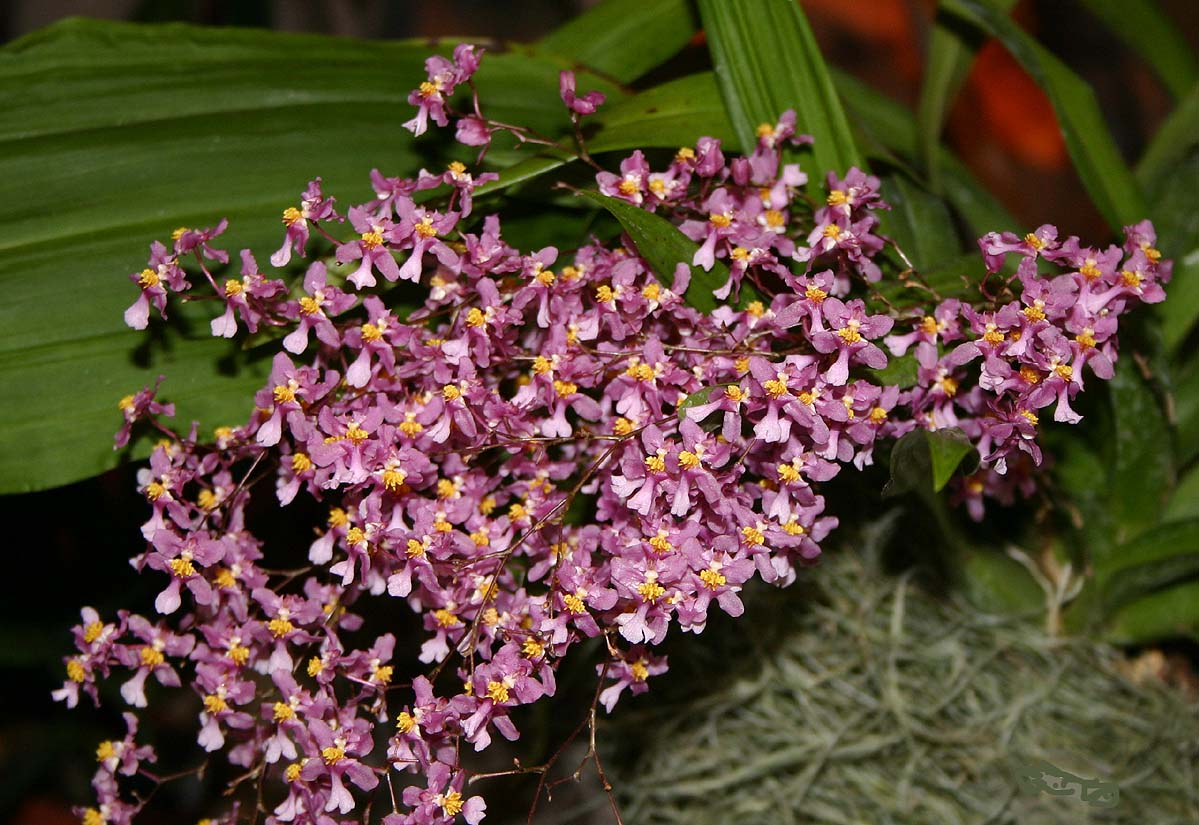
Oncidium ornithorhynchum is a species of orchid that produces clusters of small, fragrant flowers on long, slender stems. The flowers are yellow with brown spots and have a distinctive 'duckbill' shape. This orchid species is native to Central and South America and is commonly grown as an ornamental plant.
Plant Care Instructions
Outdoor Size Range
N/A
Light Requirements
Oncidium ornithorhynchum requires bright, indirect light. Direct sunlight can scorch the leaves and flowers.
Humidity Needs
Oncidium ornithorhynchum thrives in high humidity environments. A humidity level of 50-70% is ideal. Misting the leaves and placing a tray of water near the plant can help increase humidity.
Fertilizing Schedule
Oncidium ornithorhynchum should be fertilized every 2-3 weeks during the growing season with a balanced orchid fertilizer. Fertilizer should be reduced or stopped during the dormant season.
Pruning Guidelines
After the flowers have faded, the stems can be cut back to encourage new growth. Dead or yellowing leaves should also be removed.
Common Pests and Diseases
Common pests for Oncidium ornithorhynchum include spider mites, mealybugs, and scale insects. Diseases such as bacterial or fungal infections can also occur.
Indoor Size Range
12-24 inches (30-60 cm)
Watering Schedule
This orchid species prefers to be kept moist but not wet. Watering once a week is usually sufficient, but frequency may vary depending on the temperature and humidity of the growing environment.
Temperature Range
This orchid species prefers temperatures between 60-80°F (16-27°C) during the day and 50-60°F (10-16°C) at night.
Growing Season
The growing season for Oncidium ornithorhynchum is typically from spring to fall.
Growing Difficulty Level
Oncidium ornithorhynchum is considered a moderately difficult orchid species to grow. It requires specific temperature, humidity, and light conditions to thrive.
USDA Hardiness Zones
Oncidium ornithorhynchum is not rated for USDA hardiness zones as it is not a cold-hardy plant.
Did You Know?
The name 'Oncidium' comes from the Greek word 'onkos', meaning 'swelling', and refers to the callus on the lip of the flower that resembles a tumour.
