Special Web Offer - Get 50% OFF!
Grab Your Deal Now
PlantSnap
Plant Care
European olive
(Olea europaea europaea)
Also Known As
European olive, Olive, Olive tree
About This Plant
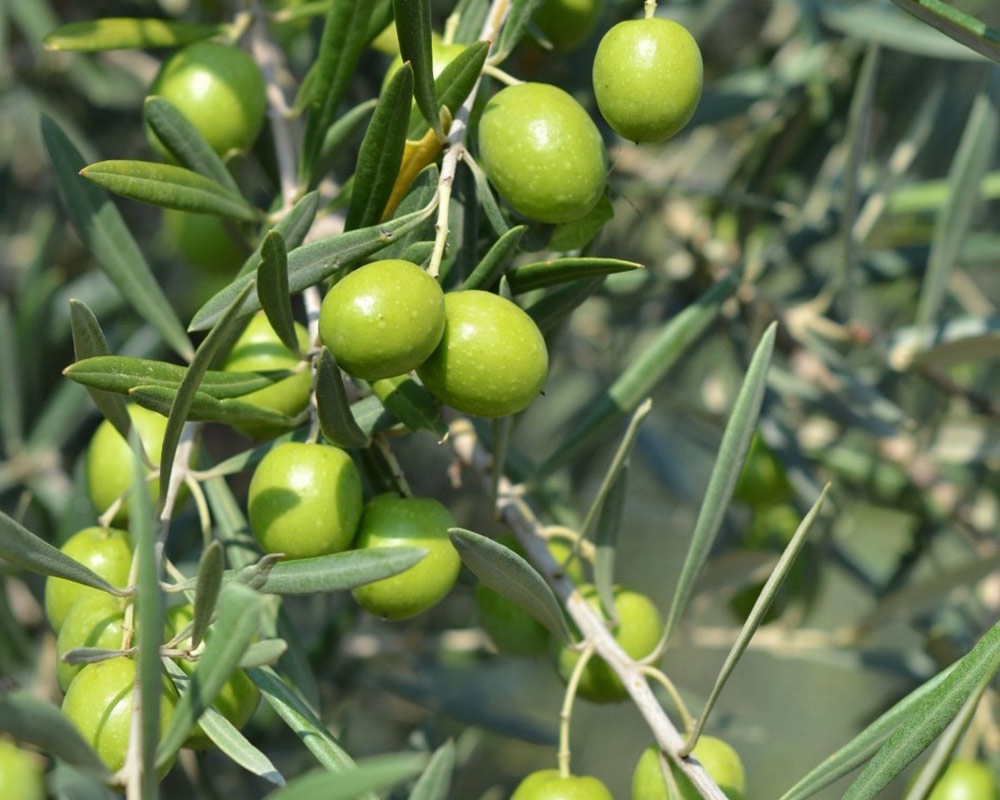
Olea europaea europaea is a species of small tree in the family Oleaceae, native to the Mediterranean Basin. It is an evergreen tree that can grow up to 40 feet (12 meters) tall, with a trunk diameter of up to 3 feet (1 meter). The leaves are leathery, dark green on top and silvery-gray underneath, and are about 2-3 inches (5-8 cm) long. The tree produces small, white, fragrant flowers in late spring or early summer, which are followed by small, oval-shaped fruit that ripen to black.
Plant Care Instructions
Outdoor Size Range
20-40 feet (6-12 meters) tall, 15-25 feet (4.5-7.5 meters) wide
Light Requirements
The European Olive tree prefers full sun, but it can tolerate some shade. It needs at least 6 hours of direct sunlight per day.
Humidity Needs
The European Olive tree prefers low humidity and can tolerate dry air.
Fertilizing Schedule
Fertilize the tree once a year in the spring with a balanced fertilizer. Do not over-fertilize, as this can damage the tree.
Pruning Guidelines
Prune the tree in the late winter or early spring to remove any dead or damaged branches. You can also prune the tree to maintain its shape and size.
Common Pests and Diseases
The European Olive tree is relatively pest-free, but it can be susceptible to scale insects and olive fruit flies.
Indoor Size Range
Not suitable for indoor cultivation
Watering Schedule
The tree is drought-tolerant and does not like to be over-watered. Water it deeply once a week during the growing season and reduce watering in the winter.
Temperature Range
The tree is hardy to USDA zones 8-11 and can tolerate temperatures as low as 10°F (-12°C). It prefers warm temperatures and does not like frost.
Growing Season
Spring and summer
Growing Difficulty Level
Moderate
USDA Hardiness Zones
8-11
Did You Know?
The European Olive tree is one of the oldest known cultivated trees in the world, with evidence of its cultivation dating back to 6000 BC in the Mediterranean Basin.
