Special Web Offer - Get 50% OFF!
Grab Your Deal Now
PlantSnap
Plant Care
Black tupelo
(Nyssa sylvatica sylvatica)
Also Known As
Black tupelo, Sour gum, Pepperidge, Nyssa
About This Plant
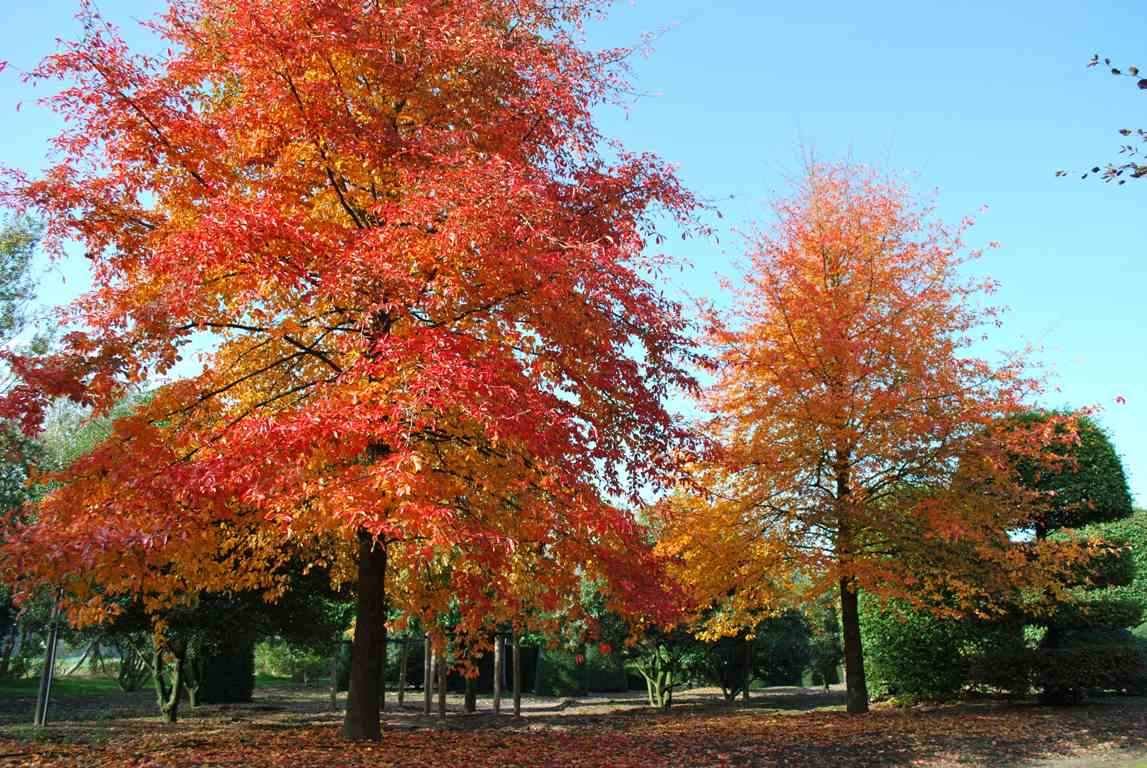
Nyssa sylvatica sylvatica is a slow-growing deciduous tree that can reach up to 50-60 feet (15-18 meters) tall. It has a pyramidal shape when young, but it eventually develops a more rounded crown. The leaves are shiny, dark green, and turn brilliant shades of yellow, orange, and red in the fall. The tree produces small greenish-white flowers in the spring, which are followed by dark blue fruits that resemble olives.
Plant Care Instructions
Outdoor Size Range
50-60 feet (15-18 meters) tall and 20-30 feet (6-9 meters) wide
Light Requirements
Black gum trees prefer full sun to partial shade. They can tolerate some shade, but too much shade can stunt their growth.
Humidity Needs
Black gum trees do not have any specific humidity requirements.
Fertilizing Schedule
Black gum trees do not require much fertilizer. A balanced fertilizer applied in the spring can help promote growth.
Pruning Guidelines
Black gum trees do not require much pruning. Remove any dead or damaged branches as needed.
Common Pests and Diseases
Black gum trees are generally not bothered by pests or diseases, but they can be susceptible to leaf spot and canker diseases.
Indoor Size Range
Not suitable for indoor cultivation
Watering Schedule
Black gum trees prefer consistently moist soil. They can tolerate occasional flooding, but they do not do well in drought conditions.
Temperature Range
Black gum trees are hardy in USDA zones 4-9, which means they can tolerate cold temperatures down to -30°F (-34°C) and hot temperatures up to 100°F (38°C).
Growing Season
Black gum trees grow best in the spring and summer months.
Growing Difficulty Level
Black gum trees are relatively easy to grow, but they can be slow-growing and may require patience.
USDA Hardiness Zones
4-9
Did You Know?
The wood of the black gum tree is one of the heaviest and hardest of all North American woods. It has been used for tool handles, rollers, and other items that require strength and durability.
